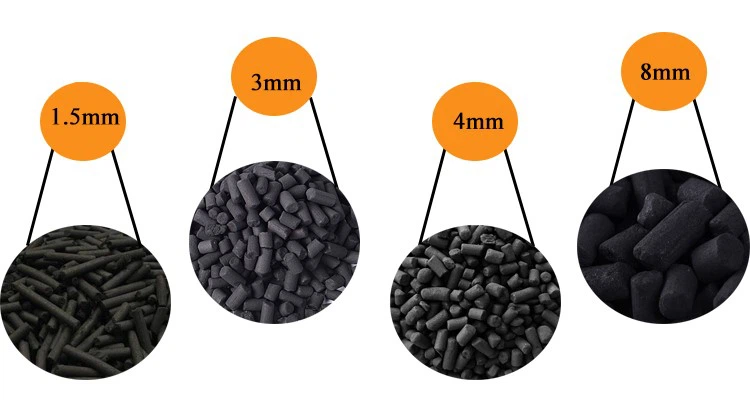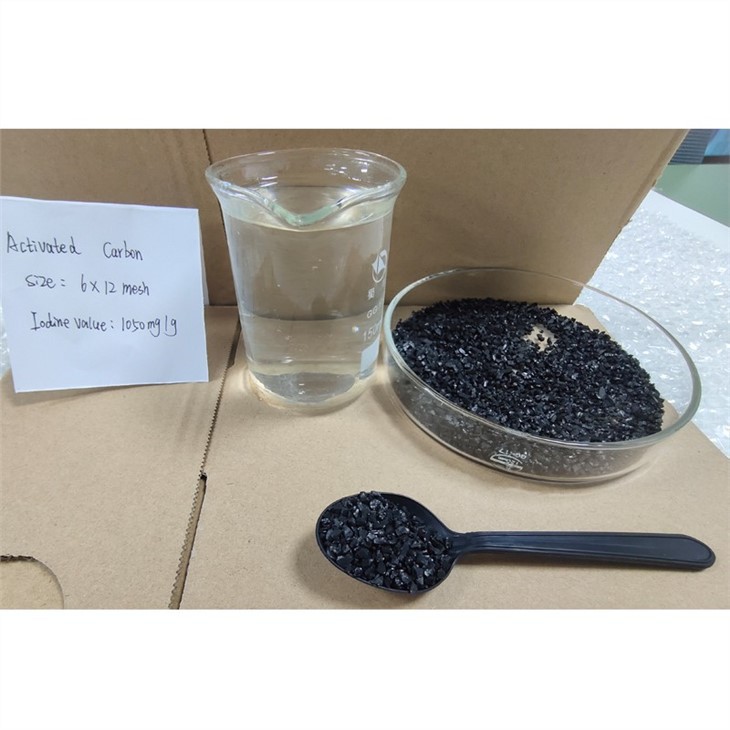


Low ash coal activated carbon is a type of activated carbon that is made from low ash coal. Activated carbon is a highly porous material that is commonly used to remove impurities from gases and liquids, such as water and air.
Low ash coal is a type of coal that has a low amount of ash content. Ash is the inorganic residue that is left over after coal is burned. Low ash coal is desirable for the production of activated carbon because it produces a carbon with a high degree of purity and a low level of impurities.
Low ash coal activated carbon is commonly used in a range of applications, including water treatment, air purification, and gas separation. Its high surface area and porous structure make it an effective adsorbent for a wide range of contaminants, such as volatile organic compounds, heavy metals, and chlorine.
The production of low ash coal activated carbon typically involves a process of carbonization, activation, and purification. During carbonization, the coal is heated in the absence of air to convert it into a carbon-rich material. The activated carbon is then produced by activating the carbonized coal with a gas or chemical agent, which creates a highly porous structure. Finally, the activated carbon is purified to remove any remaining impurities.

Activated carbon is a highly porous form of carbon, which is produced by treating various carbonaceous materials like coal, coconut shell, wood, and peat with steam or chemicals.
Coal activated carbon is produced by subjecting coal to a high-temperature process called activation. During this process, the coal is heated in the presence of an oxidizing gas, such as air or steam, to create small pores in the material. These pores increase the surface area of the coal, allowing it to adsorb a wide range of impurities and contaminants.
In summary, coal activated carbon is a porous carbon material made by subjecting coal to high-temperature activation, which significantly increases its surface area and adsorption capacity.