


Aluminum Sulfate
What is Aluminum Sulfate
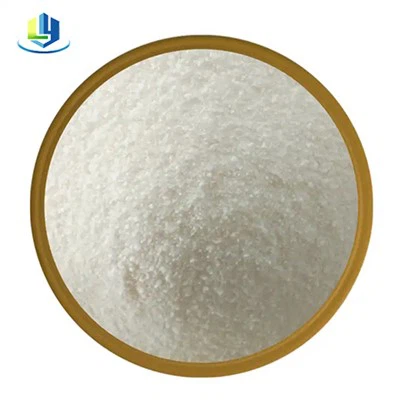
Aluminum sulfate is an odorless, white, or off-white crystalline solid or powder. The compound is made by adding aluminum hydroxide to sulfuric acid. It' s hygroscopic, which means it has the ability to absorb and hold water molecules from the surrounding atmosphere. It' s also water soluble and not volatile or flammable. Aluminum sulfate is extremely acidic. When combined in solution with water its pH can be less than two, which can make it capable of burning human skin and corroding metal.
Benefits of Aluminum Sulfate
Environmental Impact
A Sustainable Choice: Aluminum Sulphate is considered a sustainable choice for several reasons. Firstly, it is derived from abundant and naturally occurring minerals. Additionally, it has a low toxicity profile when used in recommended concentrations. Unlike some alternative chemicals, aluminum Sulphate poses minimal risk to aquatic ecosystems when used in water treatment applications. Furthermore, it can be effectively removed during wastewater treatment processes, reducing its environmental footprint.
Cost-effectiveness and Efficiency
Aluminum Sulphate offers a cost-effective solution for various industries. Its availability in bulk quantities and straightforward production process contribute to its affordability. Moreover, its high solubility in water ensures that it can be efficiently dispersed for applications like water treatment and soil amendment. This means that lower quantities are required to achieve the desired effect, leading to cost savings for businesses and municipalities.
Compatibility with Other Chemicals
Aluminum Sulphate exhibits compatibility with a range of other chemicals commonly used in industrial processes. This characteristic allows it to be easily integrated into existing treatment systems and processes without causing adverse reactions or interference. Its versatility in combination with other substances makes it a versatile choice for a variety of applications, from water treatment to industrial processes like paper manufacturing.



Why Choose Us
Competitive prices
We offer our products at competitive prices, making them affordable for our customers. We believe that high-quality products should not come at a premium, and we strive to make our products accessible to all.
Customer Service
We firmly believe that we offer THE BEST customer support in the industry and it is our ongoing goal to continually improve on our services. As an independently owned and operated business, we are able to provide the most accommodating service possible.
Professional team
We have a team of skilled and experienced professionals who are well-versed in the latest technology and industry standards. Our team is dedicated to ensuring that our customers get the best service and support possible.
Rich experience
Has a long-standing reputation in the industry, which makes it stand out from its competitors. With over many years of experience, they have developed the skills necessary to meet their clients' needs.
Efficient and convenient
The company has established marketing networks around the world to provide high-quality services to customers in an efficient and convenient manner.
Quality assurance
In terms of quality assurance, the company strictly follows the standards and norms of the industry quality system. Adopt industry-leading testing equipment to ensure product quality and good reputation.
Properties Of Aluminum Sulphate
|
Chemical formula |
Al2(SO4)3 |
|
Molar mass |
342.15 g/mol (anhydrous) 666.44 g/mol (octadecahydrate) |
|
Appearance |
White crystalline solid Hygroscopic |
|
Density |
2.672 g/cm3 (anhydrous) 1.62 g/cm3(octadecahydrate) |
|
Melting point |
770 °C (1,420 °F; 1,040 K) (decomposes, anhydrous) 86.5 °C (octadecahydrate) |
|
Solubility in water |
31.2 g/100 mL (0 °C) 36.4 g/100 mL (20 °C) 89.0 g/100 mL (100 °C) |
|
Solubility |
Slightly soluble in alcohol, dilute mineral acids |
|
Acidity (pKa) |
3.3-3.6 |
|
Magnetic susceptibility (χ) |
-93.0·10−6 cm3/mol |
|
Refractive index(nD) |
1.47[1] |
|
Thermodynamic data |
Phase behaviour: solid–liquid–gas |
|
Std enthalpy of formation (ΔfH⦵298) |
-3440 kJ/mol |
Precautions when applying Aluminum Sulfate
When applying alum, there are some parameters that need to be watched so we can be confident that the application will go smoothly. The first and most important tests you want to perform is the pH and alkalinity on the waterbody you are going to be applying the alum to. When mixed with water, one of the byproducts of the alum will be sulfuric acid. Alkalinity is a measurement of how well your water can buffer changes in ph. These tests ensure that when the application occurs, your waterbody’s pH will not plummet when the alum is applied, potentially stressing the fish in the pond. You want your pH to be from 6-8, and the Alkalinity to be 50-200 ppm (parts per million). If the alkalinity is too low, there are products available such as calcium carbonate that you can apply pre-treatment to raise it to the appropriate level.
Another test that is crucial to success is known as the jar test. This test can be performed at home with 4-6 glass jars, a syringe, and a stir bar. The purpose of this test is to calculate how much product will need to be added to your waterbody to adequately clear the water. First, you want to fill each glass jar with 1 liter of water. If you are trying to remove phosphorus from the water, you will want to buy phosphorus testing strips for each jar. Weigh out 10 grams of alum and thoroughly mix it with one of the jars. This creates a solution at 10 ppm of alum. You then take the syringe and add 2 ml of this solution to your first jar, making sure to leave one jar untouched as your control. You then go up by increments of .5 milliliters, until you run out of jars. So, you should have a 1-liter jar with 2 ml of the premade solution, one with 2.5 ml and so on. This should create a range of jars with different concentrations. Stir for several minutes and then let your jars sit for 24 hours. If the concentration reached the proper concentration, you should have at least one clear jar. If you are testing for phosphorus, simply test each concentration until the ppm has dropped to adequate levels. Why this test is crucial to success is because if you use less than the required amount, you will not achieve the desired results. Alternatively, if you use more than needed, you run the chances of wasting money and inflicting unneeded stress on your habitat. You can see an example of this in the picture below. If the concentration is not enough, you will still have turbid water and no noticeable effects will take place.
The jar test also serves another function that can prevent a headache with one simple observation. If done correctly, you should have one jar that is untouched pond water acting as your control. By leaving this jar undisturbed overnight, you are testing to see whether the particles settle or not. If they do, this tells you that there is something mechanical in the water stirring the particulates such as bottom dwelling fish or violent runoff. If this is the case, the alum will likely not solve your clarity issues as those forces will still be present. If the particles do not settle overnight, then that tells you it is a chemical imbalance in the water causing the particles to remain suspended. If this is your result, you are a prime candidate for an alum treatment.
What Are The Sources Of Aluminum Sulphate
From Alum Schists
The alum schists employed in the manufacture of aluminium sulfate are mixtures of iron pyrite, aluminium silicate and various bituminous substances, and are found in upper Bavaria, Bohemia, Belgium, and Scotland. These are either roasted or exposed to the weathering action of the air. In the roasting process, sulfuric acid is formed and acts on the clay to form aluminium sulfate, a similar condition of affairs being produced during weathering. The mass is now systematically extracted with water, and a solution of aluminium sulfate of specific gravity 1.16 is prepared. This solution is allowed to stand for some time (in order that any calcium sulfate and basic iron(III) sulfate may separate), and is then evaporated until iron(II) sulfate crystallizes on cooling; it is then drawn off and evaporated until it attains a specific gravity of 1.40. It is now allowed to stand for some time, and decanted from any sediment.
From Clays Or Bauxite
In the preparation of aluminium sulfate from clays or from bauxite, the material is gently calcined, then mixed with sulfuric acid and water and heated gradually to boiling; if concentrated acid is used no external heat is generally required as the formation of aluminium sulfate is exothermic. It is allowed to stand for some time, and the clear solution is drawn off.
From Cryolite
When cryolite is used as the ore, it is mixed with calcium carbonate and heated. By this means, sodium aluminate is formed; it is then extracted with water and precipitated either by sodium bicarbonate or by passing a current of carbon dioxide through the solution. The precipitate is then dissolved in sulfuric acid.
Uses Of Aluminium Sulphate


Water Treatment
One of the common uses of aluminum sulfate for water treatment. It is widely used in water treatment systems for drinking, industrial processes or swimming. It is also used to treat wastewater for further usage. It serves as a coagulating agent as it is highly effective in treating water. Its excellent absorptive properties help to purify water by binding contaminants and pollutants.
Agriculture
Aluminium is extensively used in the agricultural sector. It is blended with soil to make it more acidic. The aluminum sulfate agriculture grade helps the crops that need this type of soil, like roses, potatoes and others. Additionally, it is also used to prevent the growth of moss on the sidewalks and roofs.
Textiles
It is used in the production of textiles and dyes. Aluminium sulphate is added to fabrics to help the dye stick to the fabric for long-lasting and attractive shades.
Fire Extinguisher
Another popular use of aluminum sulfate firefighting. It is a crucial component in fire extinguishers.
Paper and Pulp
Another application for which aluminium sulphate suppliers provide their organic compound is for paper manufacturing. It is blended with rosin soap, which helps to improve the quality of the paper and enhances its whiteness and brightness.
Why Add Aluminum Sulfate to Pool
The Magic of Aluminum Sulfate
Aluminum sulfate, commonly known as alum, is a versatile coagulant and flocculant. Its primary function in pool maintenance is to clarify water by eliminating impurities and enhancing filtration. When added to the pool, aluminum sulfate undergoes a chemical reaction that forms a gelatinous precipitate. This substance traps fine particles, such as dirt and algae, making it easier for the pool' s filtration system to capture and remove them.
PH Balance and Water Chemistry
Maintaining the proper pH balance is essential for the overall health of pool water. Aluminum sulfate contributes to this aspect of pool maintenance by acting as a pH stabilizer. Its acidic nature helps counteract elevated pH levels, ensuring that the water remains within the optimal range. This not only enhances water quality but also protects pool equipment from potential corrosion.
Improving Water Clarity and Transparency
One of the primary reasons pool owners turn to aluminum sulfate is its ability to significantly improve water clarity. Cloudy or turbid water is a common issue in pools, caused by suspended particles that escape the filtration system. Aluminum sulfate acts as a coagulant, causing these tiny particles to bind together into larger, filter-friendly clumps. This process enhances the efficiency of the pool' s filtration system, resulting in sparkling clear water that beckons swimmers.
Algae Control and Prevention
Algae growth is a perpetual concern for pool owners, especially in warmer climates. Aluminum sulfate plays a crucial role in algae control by eliminating the nutrients that fuel their growth. By binding with phosphates in the water, aluminum sulfate restricts the availability of this essential nutrient for algae, preventing their proliferation. Regular use of aluminum sulfate not only combats existing algae issues but also acts as a preventative measure, maintaining a pristine pool environment.
Reacting the raw ingredients. The aluminium trihydrate is transported and stored in one tonne bags. Each bag is carried by hoist to the feed hopper, where it is opened and conveyed to the reaction tank. The reaction water, trihydrate and sulfuric acid batch is stirred for a period of time with water vapour exiting through the stack.
Making the final product After the reaction period either liquid or solid alum is made. If liquid, the concentrated batch is run into the dilution tank filled with the dilution water where it cools over time. The liquid alum is then filtered and pumped to storage. There are overhead load out facilities at Morrinsville where a number of liquid chemicals are available in dispatch tanks for road tankers. If solid is made, the concentrated alum is run into the casting pans where it sets, aided by fan cooling. The pans are forklifted to storage racks and from there they are taken to the Crushing Plant and dropped into a hopper. The pieces are broken further by a large kibbler followed by a small kibbler and then screened. Oversize particles go to a bagging hopper and are sold as kibbled product. The screened alum is rotary crushed and further screened to either return to the rotary crusher or be bagged as ground product. Dust is continually collected through an extraction system and is sold as product. The Crushing Plant is flexible and the ratio of kibbled to ground aluminium sulfate is variable.
Our Factory
Our factory covers an area of 10000㎡, of which the workshop takes up 5000㎡. It is located in the East Section of Chuangye Road, Beishankou Industrial Park, Gongyi City, Henan Province, China. It has the largest fiber ball and comet fiber filter production line. It has 300 employees, 6 senior engineers, 20 technical staff. It was equipped with a perfect production technology management system and quality guarantee system.

Certifications
Certificate: All the products passed CE, SGS, AMZ, ISO9001 certificates.
The raw material passed REACH test.
Our Patents include Modified Fiber Ball Filter, Comet Fiber Filter, and Modified Comet Fiber Filter (Degreasing Dedicated).

FAQ