


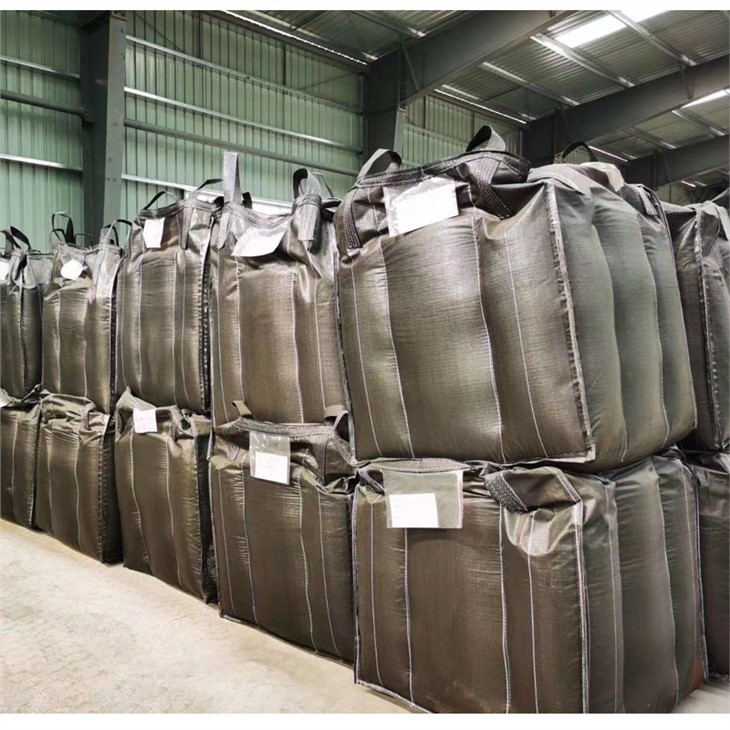
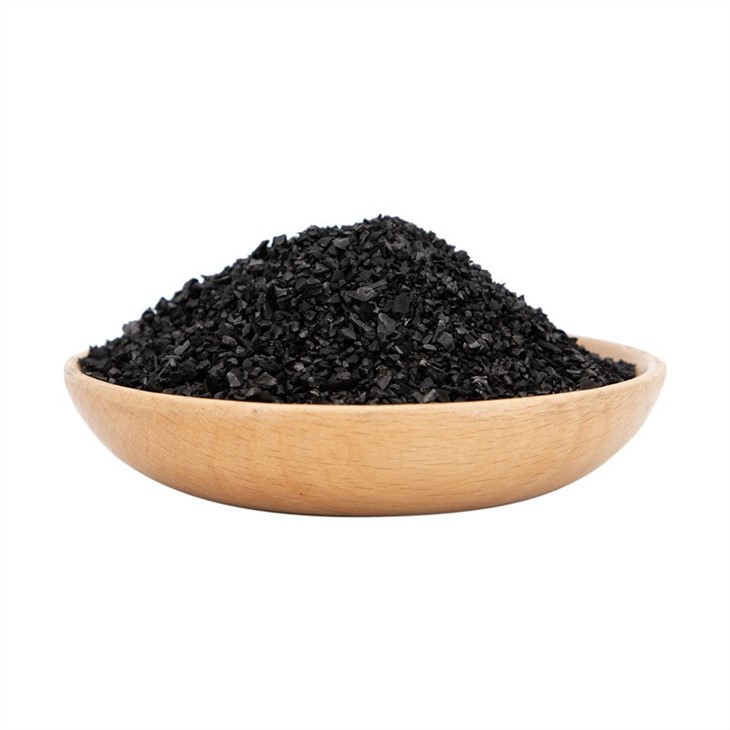

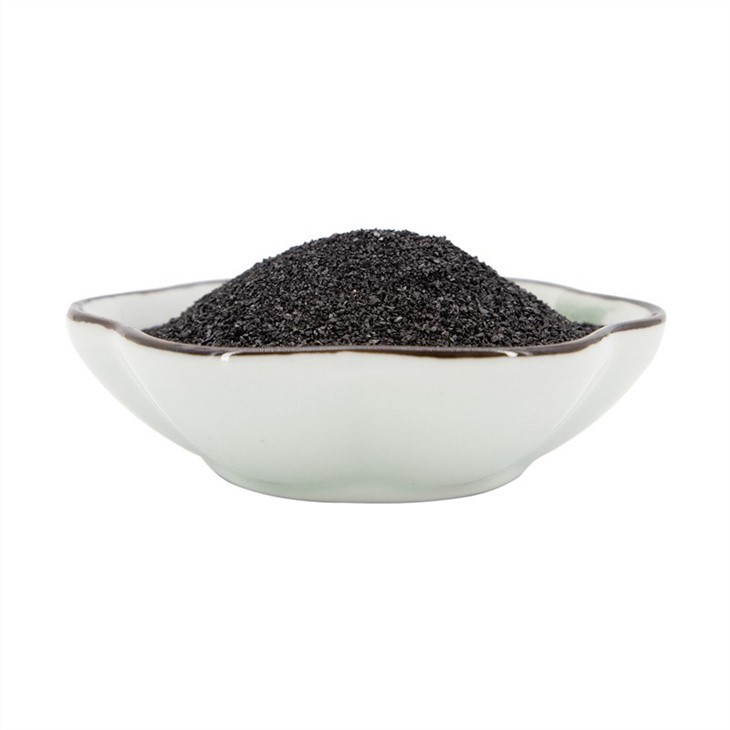

Activated carbon works by attracting and binding molecules to its surface, effectively removing them from the surrounding environment. The process of activating carbon involves treating it with high heat and steam to create a network of pores and increase its surface area, which enhances its adsorption capacity.

Iodine CTC20 Coconut Shell Activated Carbon is a type of activated carbon that is made from coconut shells and has a high level of iodine and a CTC20 rating. CTC stands for "Catalytic Activity" and is a measure of the carbon's ability to adsorb impurities from liquids or gases.
Iodine is often used as an indicator of the pore size distribution in activated carbon. A higher iodine number generally indicates a higher surface area and more micropores, which are important for adsorbing smaller molecules.
Coconut shell activated carbon is a popular choice for water filtration and purification applications due to its high surface area, low ash content, and excellent adsorption properties. It can be used to remove impurities such as chlorine, volatile organic compounds (VOCs), and other contaminants from water and air.
Overall, Iodine CTC20 Coconut Shell Activated Carbon is a versatile and effective material for a variety of applications where adsorption of impurities is required.


