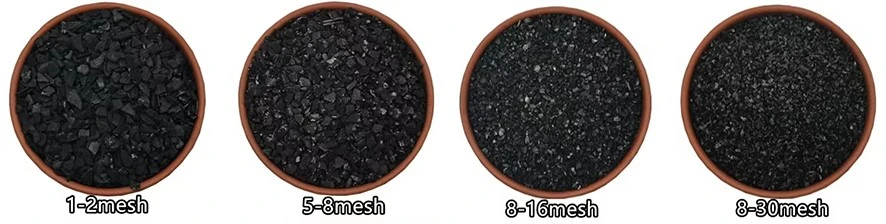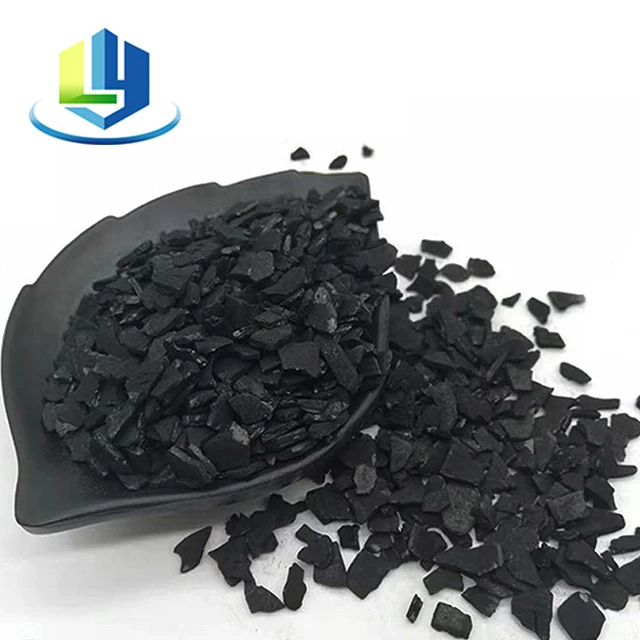
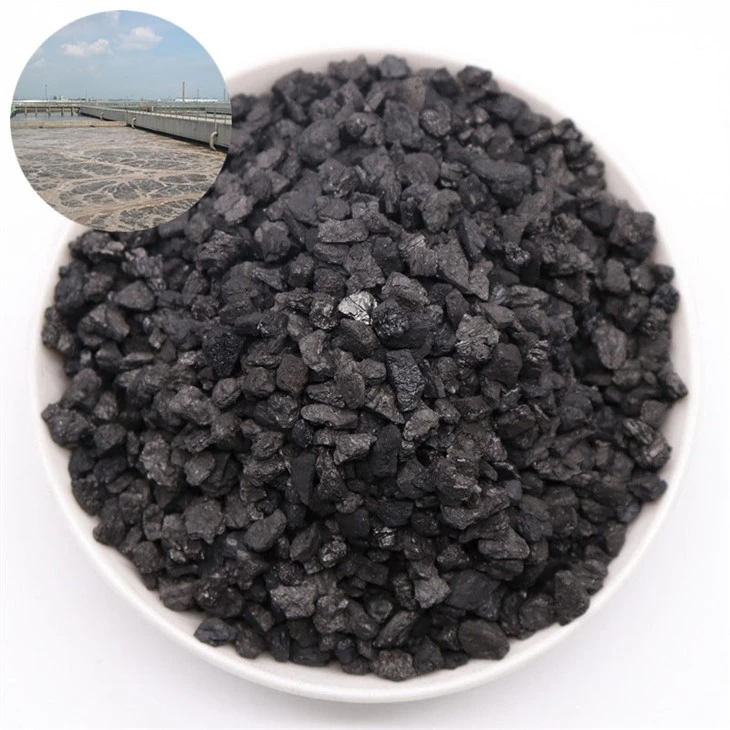
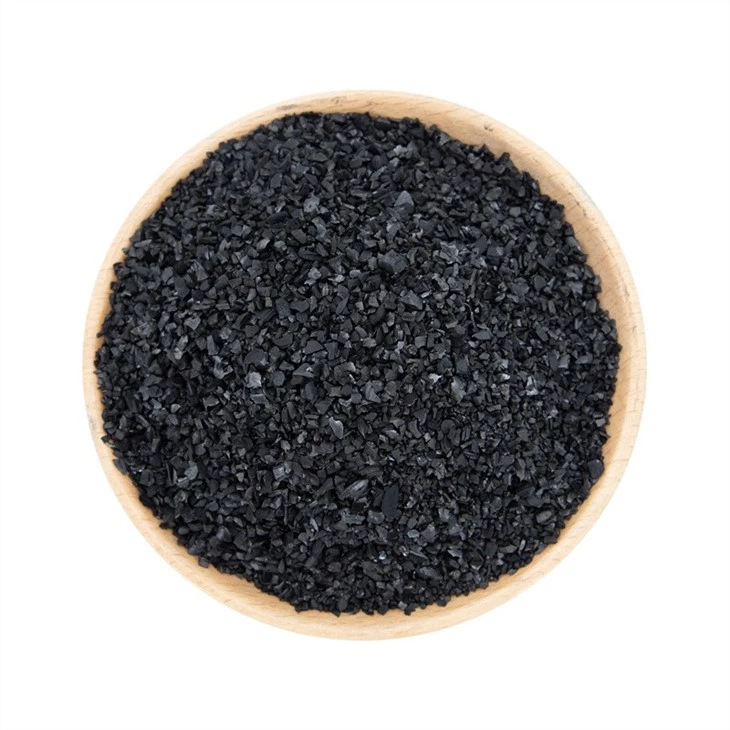
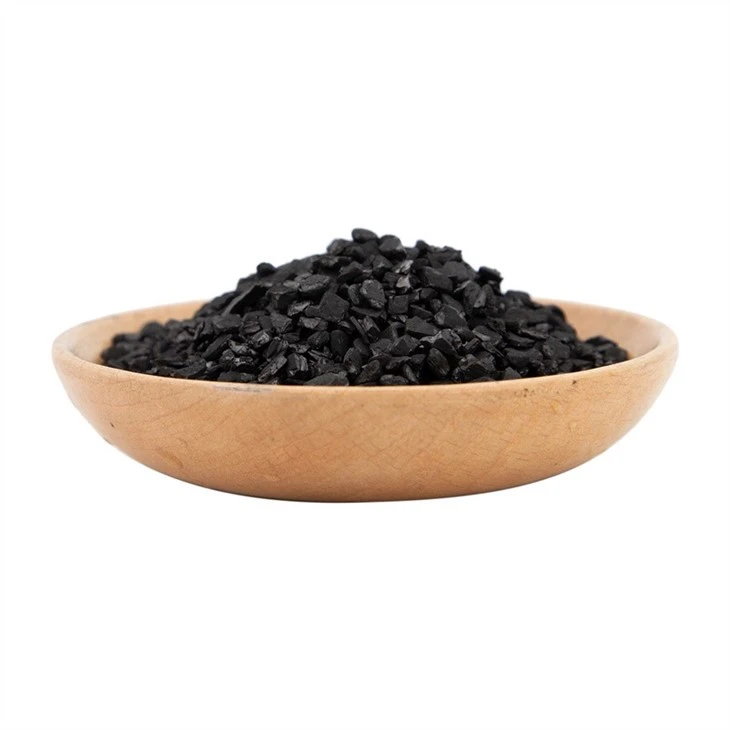
What is Coconut Shell Activated Carbon?
Activated carbon or activated charcoal is a porous element that traps compounds, primarily organic, present in a gas or liquid. It does this so effectively that it is the most widely used purifying agent by humans.
On the other hand, organic compounds are derived from the metabolism of living beings, and their basic structure consists of chains of carbon and hydrogen atoms. These include all derivatives from the plant and animal world, including petroleum and the compounds obtained from it.
The property of a solid to adhere a flowing molecule to its walls is called “adsorption”. The solid is called “adsorbent” and the molecule, “adsorbate”.
After filtration, which aims to retain solids in a fluid, there is no single purification process with more applications than activated carbon.
This product is made from imported coconut shells and refined using physical methods. It has the characteristics of good wear resistance, high adsorption performance, and long service time, and has excellent efficiency in the manufacturing of pure water and high-purity water. It is an ideal material for thermoelectric, beer, beverage, and high-purity water equipment.
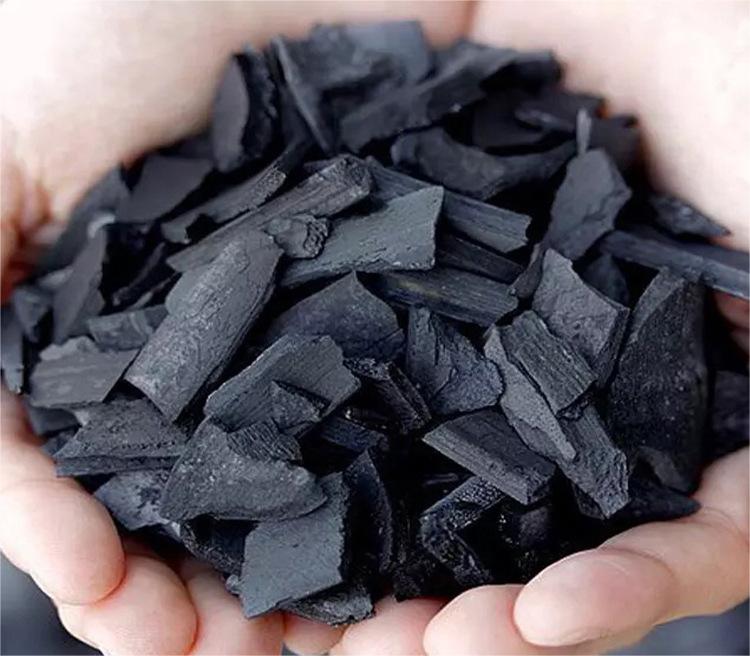
What is Coconut Shell Activated Carbon Used For?
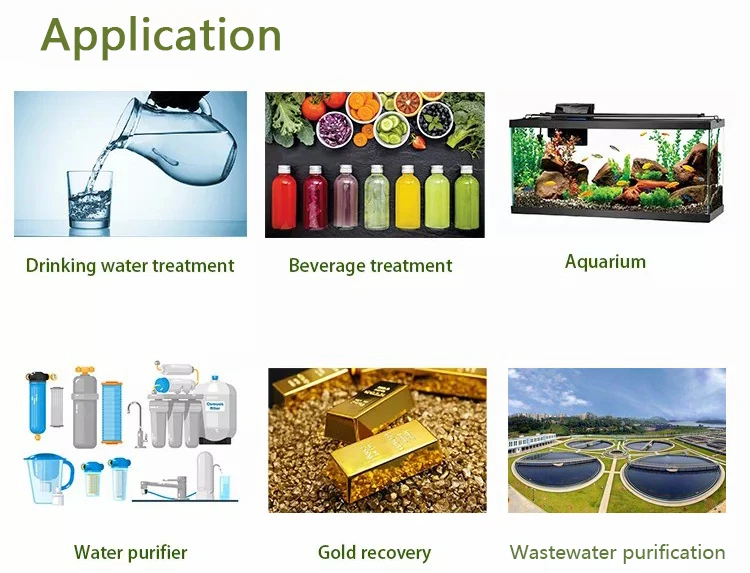
● Drinking water treatment
● Beverage treatment
● Aquarium
● Water purifier
● Gold recovery
● Wastewater purification
How to Select High-quality Coconut Shell Activated Carbon?
1. Density: The more pores in activated carbon, the higher its adsorption performance, the more porous it becomes, the lower its relative density, and the lighter its feel.
2. Composition: Coconut shell charcoal is the preferred activated carbon internationally for adsorbing odors and benzene pollution.
3. Packaging: The outer packaging of activated carbon must be sealed, otherwise it will become invalid if exposed to air for a long time at the point of sale.
4. Bubbles: Choose activated carbon with a loud and long-lasting sound.