





General Safety Guidelines
General safety procedures should be followed when handling and storing aluminum sulfate. These include:
- All chemical products must be stored and labelled in accordance with the instructions on the safety sheet. Chemicals must normally be stored in their original packaging. If you need smaller amounts of a chemical, the new packaging must be suitable for the substance.
- Chemicals must not be stored together with inflammable material and gas cylinders.
- Chemical containers must be stored with closed lids when they are not being used.
- Equipment for handling and cleaning up spillage must be in readiness and suitable for the stored chemicals. It is suitable to have equipment placed outside the chemical store.
- It is important for the fire classification of storage lockers and rooms to match the types and amounts of chemicals stored therein.
- Combustible material must be stored in fireproof cupboards or in separate spaces.
- Use personal protection equipment (e.g., gloves, face mask) where necessary.
- Surplus chemicals and hazardous waste must be dealt with in accordance with the information in the safety data sheet.
- First Aid equipment must be available.
- Workplaces must be cleaned regularly. There must not be chemical spills on the floor.
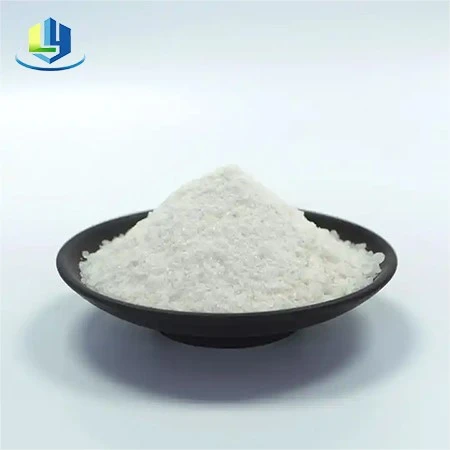
Human Risks of Aluminum Sulfate
Although aluminum sulfate is a versatile chemical, it is not without its risks. It is designated as a hazardous substance under the Comprehensive Environmental Response, Compensation, and Liability Act (CERCLA).
Toxicology Information
- Acute Toxicity Estimate: The acute oral LD50 is greater than 5,000 mg/kg.
- Chronic Toxicity Estimate: The acute oral LD50 is greater than 5,000 mg/kg.
- Symptoms of Overexposure: May cause skin and eye irritation. If inhaled, may cause headaches, nausea, and respiratory irritations.
- Carcinogenicity: Not listed as a carcinogen by NTP, IARC, or OSHA.
- Other Possible Health Hazards: The common recognized injury from aluminum sulfate is local tissue irritation. The irritating action is often from hydrolysis to form sulfuric acid and may occur from ingestion, skin or eye contact, or inhalation of dusts and mists. Remove victim from contaminated area.
- Routes of Entry: Ingestion, skin or eye contact, or inhalation of dusts and mists.
- SKIN / EYES: May cause corneal burns or severe irritation in eyes. Fumes or mists may cause irritation or burns to skin.
- INGESTION: Oral and gastrointestinal irritation. Local tissue damage. Nausea, vomiting, diarrhea, and gastrointestinal bleeding may follow. Can be fatal if swallowed in sufficient quantities.
- INHALATION: Irritation of the respiratory system. Long term exposure may cause bronchial irritation, coughing, and bronchial pneumonia. Medical conditions generally aggravated are acute and chronic respiratory diseases.
First Aid Measures
Skin/Eye Contact: For skin, immediately remove contaminated clothes under safety shower. Flush skin with running water for at least 15 minutes. Launder clothes before reuse. For eyes, flush carefully in eye wash for several minutes; remove contact lenses if present and easy to do; cautiously flush person' s eyes with running water for at least 15 minutes. Seek Medical attention if irritation persists.
Ingestion: Rinse mouth. Immediately dilute swallowed material by orally administering large amounts of water or milk. DO NOT INDUCE VOMITING. NEVER administer liquids orally to an unconscious person. Call physician or poison control center if person feels unwell or more than a few drops are ingested.
Inhalation: Seek medical assistance if irritation is noted, if person is having difficulty breathing, or the possibility exists of fluid in the lungs. Remove victim from the contaminated atmosphere. If breathing has stopped, give artificial respiration. Weak breathing may be supplemented with a bag-mask or manually operated air supply that delivers at least 1 liter/second.
Safe Storage and Handling
Smoking and/or eating is not recommended in storage areas. Stainless steel or fiberglass tanks are recommended. Keep product away from heat sources and direct sunlight. Do not reuse storage containers unless properly reconditioned. Isolate appropriately from chemicals where low pH could create a hazardous byproduct; for example a combination with hypochlorite could lead to the evolution of chlorine gas.
Accidental Release
- For cleanup of the dry form of alum, sweep or shovel spills of the compound and place in a covered container. After that, wash down residue with large amounts of water and neutralize with soda ash or lime, if necessary.
- For the liquid form, wear PPE appropriate for handling the material. No smoking or eating in spill areas. Absorb small spills with sand or vermiculite. Place contaminated material in appropriate container for disposal.
- If spilled on the ground, the affected area should be removed to a depth of 1 to 2 inches and placed in an appropriate container for disposal. Large spills should be handled according to your organization' s predetermined plan. Do not flush material to public sewer systems or any waterways.
- Wear appropriate protective clothing and equipment during cleanup activities. Ensure adequate decontamination of tools and equipment following cleanup. Adequate ventilation is required when neutralizing spills / leaks.
In conclusion, if you follow these safety, storage, and handling guidelines, you will be able to use aluminum sulfate safely. To learn more about our alum products and access Safety Data and Product Data Sheets, visit our product page.