Multi Functional Cleaning Chlorinating Tablets for Swimming Pools
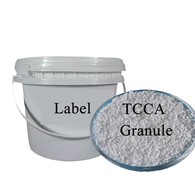
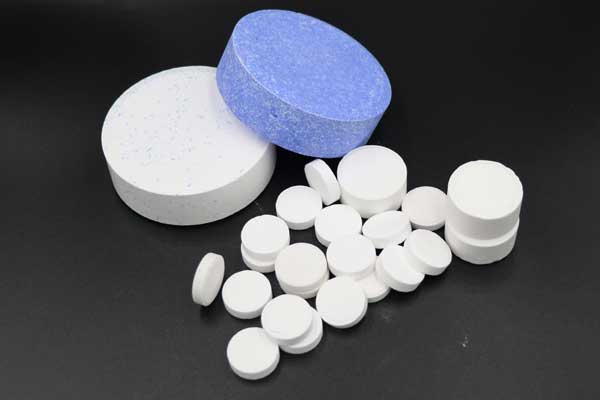
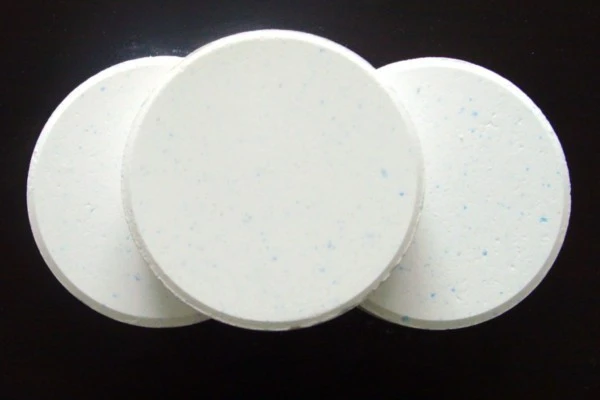
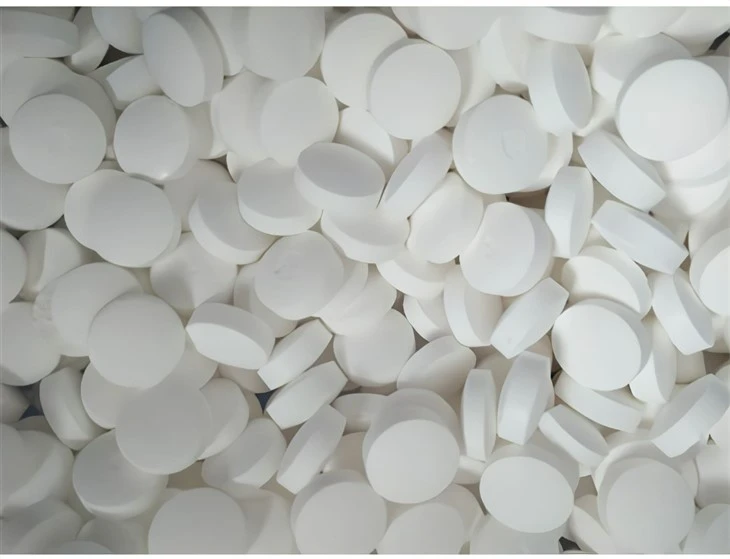
Trichloroisocyanuric acid, chemical formula C3Cl3N3O3, is a strong oxidizing agent and bleaching agent, which is widely used in many fields such as water treatment, disinfection, sewage treatment, agriculture and so on. TCCA exists in the form of powder, granule and tablet, which is easy to carry, store and use.

The products Trichloroisocyanuric acid Compared with traditional Chlorinators (such as liquid chlorine, bleach powder ), it has the characteristics of high effective chlorine content, stable storage and transportation, convenient forming and using, high sterilization and bleaching power, long time of effective chlorine release in water, safety and non-toxic, etc. Therefore, its development and research have been paid attention by various countries.
Papid disinfection: Fast disinfection bleach agent, stable storage, easy to use.
Fast dissolution rate: There will be evident effervescence when the product is put into water.
The dissolution rate is very fast and there will be nocaking.
High content: The effective content of the product can reach morn than 90%, and the content is relatively high.
But it will not have any effect on human body, so it is safe to use.
| Items | SPECIFICATION |
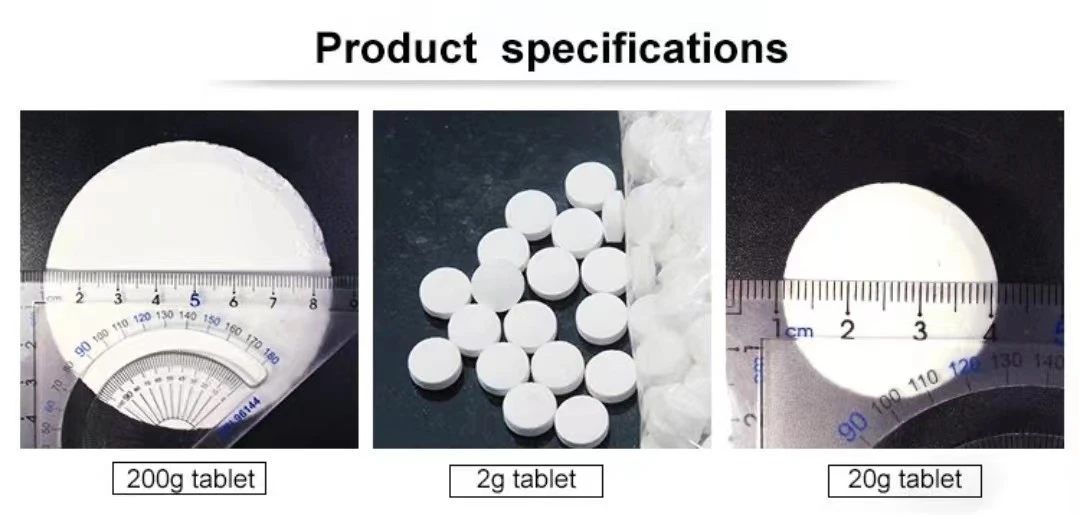
| Appearance | 200g Tablet,Granular,Powder |
| Available chlorinating % | ≥90 |
| Moisture% | ≤0.5 |
| PH (1% water solution) | 2.7-3.3 |
| Solubility(25℃ water)(g/100ml) | 1.2 |
| Solubility(25℃ acetone)(g/100ml) | 36 |
| Sample | Free |
Application areas :
Swimming pool chemical has a strong sterilization, bleaching effect, with the features of quick-release , widely used in animal husbandry and aquaculture, and cotton, hemp fiber fabric washing bleach, wool shrink-proof agent, can also be used for rubber chlorination,clothes dry bleach ,and work as the materials of battery and organic synthesis , Compare with the sodium dichloroisocyanurate disinfection, it is more powerful, so it is very popular in domestic and foreign market.

1.Chlorinating can be used on swimming pool and drinking water treatment,clean the industrial circulating water.
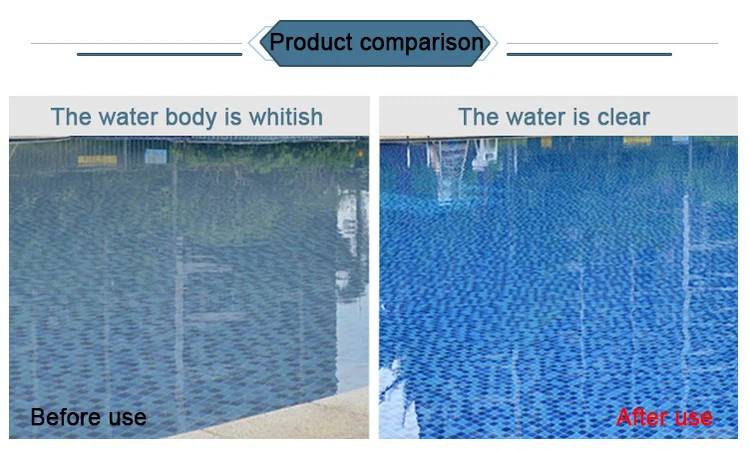
Application in Swimming pool's water disinfecte:
The effective content of the product can reach more than 90%,and the content is relatively high. but it will not have any effect on human body, so it is safe to use,very suitable for using in the swimming pool disinfecte.
Application occasions and methods for swimming pool disinfection, swimming pool disinfection tablets to avoid the growth of microorganisms in water, bacterial overspending and water green.The application amount is 2-3Kg/1000 cubic meters, usually for daily use. It can be doubled when the traffic is large and the weather is rainy.
It can quickly kill all kinds of microorganisms, including bacterial spores, bacterial propagators, fungi and other pathogenic organisms. A swimming pool disinfectant tablet with strong killing effect on A, B, C and other types of viruses, mycoplasma, chlamydia and other viruses.
Application in the printing and dyeing industry:
Trichloroisocyanuric acid contains up to 90% active chlorine. It is used as a bleaching agent in the printing and dyeing industry and is suitable for bleaching cotton, linen, wool, Synthetic fiber and blended fibers. It not only does not damage the fiber, but also has better performance than Sodium hypochlorite and bleach.
TCCA is used as bleach in printing and dyeing industry to sterilize and replace chloramine T for food disinfection, and its effective chlorine content is three times that of chloramine T. And can be used as dextrin decolorization deodorant.
It is used in the wool textile industry as wool shrinking agent instead of potassium bromate. It is also used as a chlorination agent in rubber industry.
The oxidation-reduction electrode potential of trichloroisocyanuric acid is equivalent to that of hypochlorite, which can replace hypochlorite as a good oxidizing agent.


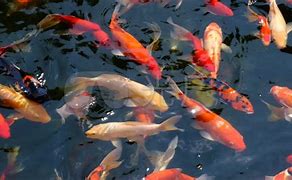
Application in aquaculture:
TCCA is primarily used to disinfect and sanitize water, equipment, and facilities.TCCA is effective in killing a wide range of harmful microorganisms such as bacteria, viruses, and fungi.
It can be used to control and prevent the spread of diseases in fish and shellfish. It is also effective in removing organic matter and reducing algae growth, which can improve water quality.
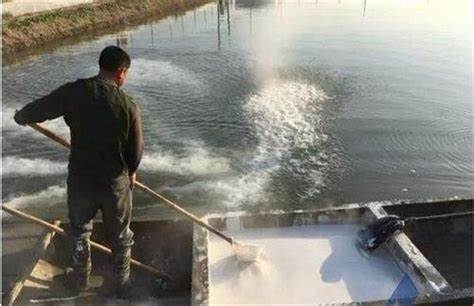
TCCA is usually added to water at a concentration of 2-5 ppm (parts per million) and allowed to react for a few hours before fish or shrimp are introduced. Care must be taken to ensure that the concentration of TCCA in the water does not exceed the recommended levels as this can be harmful to aquatic life.
Overall, TCCA is a useful tool for maintaining good water quality and preventing the spread of diseases in aquaculture.
Usage and dosage:
1. Swimming pool disinfection: 3-5 grams per cubic meter per day are used in the swimming pool.
2. Treatment of industrial circulating cooling water: Add 0.5 grams per 1 cubic meter of water.
3. Disinfection of tableware. Add 0.25 grams of water to every 5 kilograms and soak the cleaned tableware for 5 minutes.
4. Sewage and fecal treatment. Adding 5 grams per cubic meter of sewage or feces can eliminate odors.
5. Seed sterilization and disinfection. Using TCCA as seed disinfection can break the dormancy period of seeds, improve seed germination rate, inhibit the occurrence of diseases, and importantly, it does not cause environmental pollution and is harmless to humans and animals. The method is to soak the seeds in 0.2% TCCA aqueous solution for 12 hours.
6. Sterilization and disinfection in the aquaculture industry.
7. Used for disinfecting hospital sewage, diapers, urinals, medicine bowls, and instruments, with fast sterilization speed and good results.
Matters needing attention:
When using TCCA, it's important to follow the manufacturer's instructions carefully and to wear protective gloves and eye protection, as it can be hazardous if not handled properly. TCCA should be stored in a cool, dry place away from direct sunlight, and should not be mixed with other chemicals or substances, as this can create hazardous reactions.