


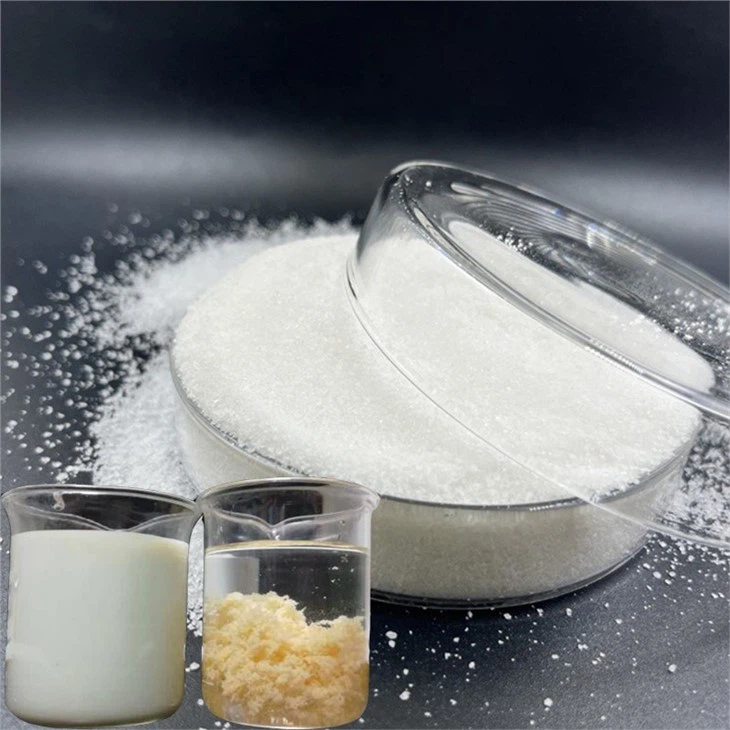

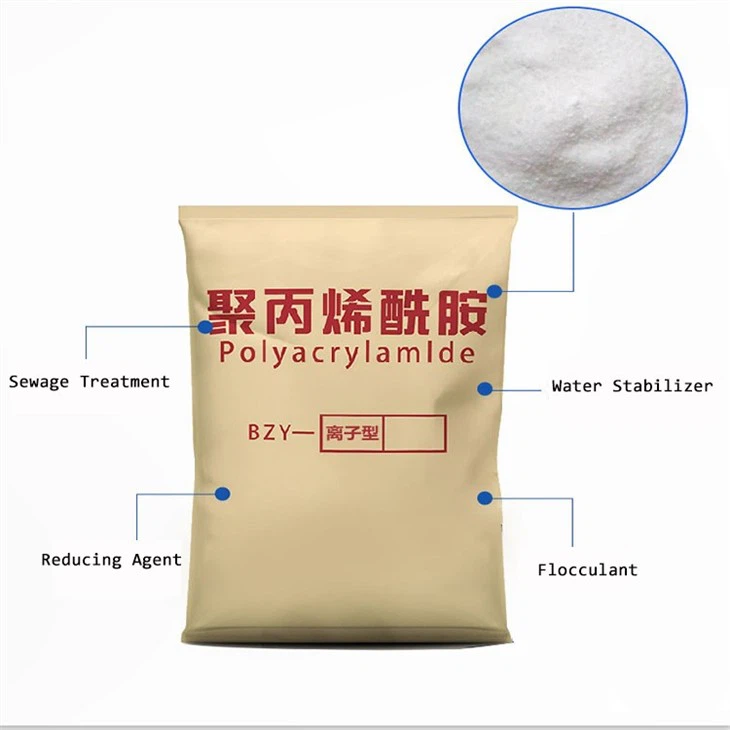

Cationic Polyacrylamide Flocculant for Effective Water Treatment

Cationic polyacrylamide (CPAM) flocculants are widely used in water treatment processes to remove impurities such as suspended solids, organic matter, and colloidal particles. CPAM is a water-soluble polymer that can be synthesized from acrylamide and a cationic monomer such as dimethylaminoethyl methacrylate (DMAEMA).
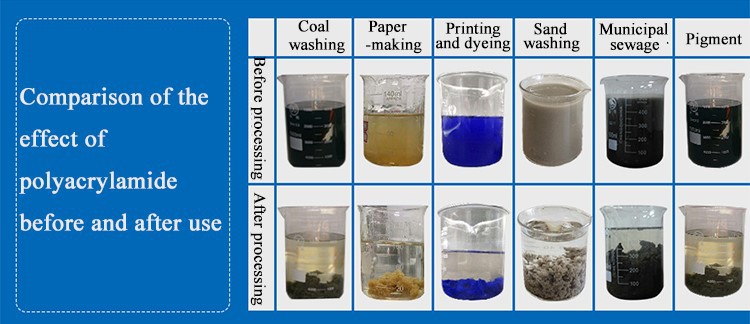
CPAM flocculants work by forming large aggregates, or flocs, that can settle out of the water or be removed through filtration. The cationic charge of the CPAM attracts negatively charged particles and helps them to bind together, forming larger particles that are easier to remove.
Cationic Polyacrylamide Flocculant for Effective Water Treatment Application
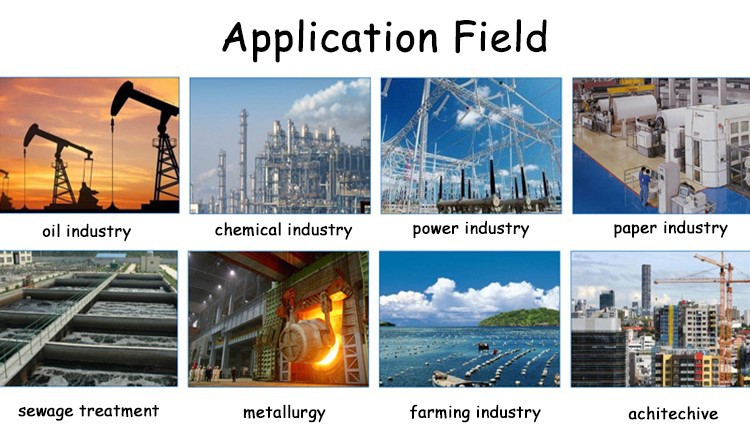
CPAM flocculant can be used in various water treatment applications, including:
Municipal Water Treatment: CPAM is commonly used in municipal water treatment plants to remove suspended solids and turbidity from the water. It can also be used to remove organic matter and microorganisms from the water.
Industrial Water Treatment: CPAM is used in various industries, such as paper mills, oil refineries, and textile plants, to treat wastewater and remove suspended solids, organic matter, and other contaminants.
Mining and Mineral Processing: CPAM is used in the mining industry to separate minerals from the ore. It is also used to clarify water used in mining operations.
Agriculture: CPAM is used in agriculture to improve soil structure, reduce erosion, and increase water retention.
Oil and Gas: CPAM is used in the oil and gas industry to enhance oil recovery by improving the viscosity of the oil and reducing the amount of water produced with the oil.
Cationic Polyacrylamide Flocculant for Effective Water Treatment Use

Cationic Polyacrylamide Flocculant for Effective Water Treatment Test Result
Cationic Polyacrylamide Flocculant for Effective Water Treatment Certificate


