


Polyacrylamide PAM
Polyacrylamide (abbreviated PAM or PAAM), with the formula -[CH2CH]nCONH2-, is a polymer formed from the polymerization of acrylamide monomers. As a lubricant, suspension agent, clay stabilizer, oil displacement agent, water loss reducer and thickening agent, polyacrylamide has been widely used in drilling, acidification, fracturing, water plugging, cementing, secondary and tertiary oil recovery, and is a very important oilfield chemical.
Polyacrylamides are classified as non-ionic (NPAM), cationic (CPAM), anionic (APAM) and Amphionic (Amphionic PAM). The anionic polyacrylamide is often used as a soil amendment for cultivated land and as a site erosion control agent. Ionic substances such as salt cause the polyacrylamide to release its absorbent substance.
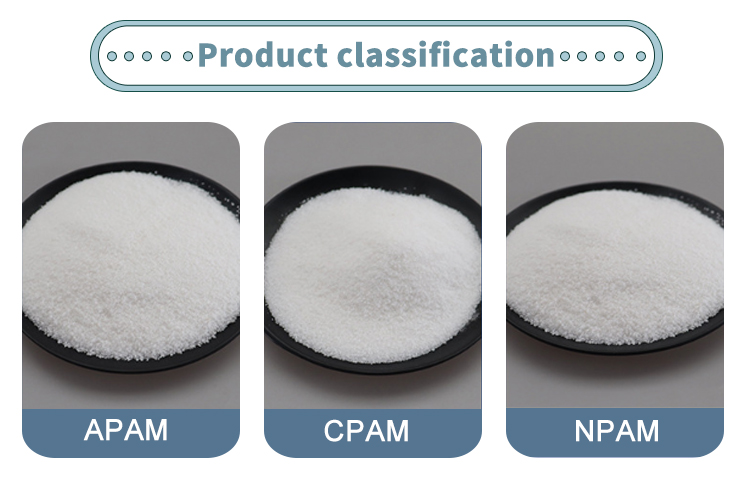
Flocculation effect of PAM products in wastewater treatment
According to the properties of suspended matter, concentration and flocculation performance of polyacrylamide, precipitation can be divided into: natural precipitation, flocculation precipitation, regional precipitation. The concentration of suspended particles in regional precipitation is higher (more than 5000mg/L), and the settlement of particles is affected by other surrounding particles, and the relative positions of particles remain unchanged, forming a whole common sinking, and there is a clear mud-water interface between them and the clarified water. Regional sedimentation occurred in both secondary sedimentation tank and sludge thickening tank.


Anionic polyacrylamide (APAM) include: ultra high molecular weight(over 25 million), high molecular weight(up to 20 million), medium molecular weight(about 16 million), Solid content over 89%
is a water-soluble polymer that is commonly used in water treatment, papermaking, mineral processing, and other industrial applications. It is a type of polyacrylamide that has a negatively charged functional group, such as a carboxylate or sulfonate, attached to the polymer backbone.
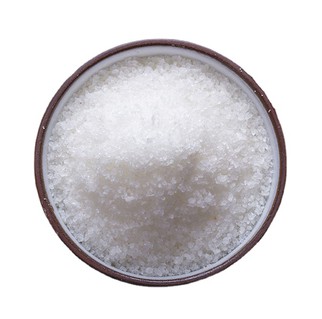

APAM is commonly used in water treatment processes as a flocculant, which helps to remove suspended solids and other impurities from water. It works by forming a bridge between particles in the water, causing them to clump together and settle out of the water. APAM is also used in the papermaking process to improve paper strength and to enhance drainage and retention.
In general, APAM is more commonly used in the oil field due to its effectiveness as a flocculant and its ability to improve the rheological properties of drilling fluids. However, CPAM can also be effective in certain applications and may be preferred in some cases. The choice of which type of polyacrylamide to use depends on the specific needs and conditions of the oil field operation.
Nonionic Polyacrylamide (NPAM) include: medium molecular weight(over 15 million), low molecular weight(up to 8 million), Solid content over 89%
stands for nonionic polyacrylamide, which is a type of water-soluble polymer that is similar to anionic polyacrylamide (APAM) but does not have any charged functional groups. It is produced by the polymerization of acrylamide monomers in the presence of a nonionic surfactant.


NPAM has a high molecular weight and can form large molecular chains, which allows it to function as a flocculant in wastewater treatment, papermaking, and other industrial processes. NPAM is particularly effective in treating wastewater that contains organic and inorganic particles, as well as oils and fats.
Unlike APAM, NPAM is not negatively charged, so it does not adsorb as strongly onto the surface of particles. However, it can still form bridges between particles, leading to the formation of flocs that settle out of the solution.
NPAM is generally considered safe for use in industrial and environmental applications, but like APAM, it should be handled with care to prevent inhalation, ingestion, or contact with skin or eyes. Prolonged exposure to high concentrations of NPAM may cause respiratory problems or skin irritation.
Overall, NPAM is a useful polymer for flocculation and sedimentation in various industrial processes, especially in applications where anionic polymers may not be suitable due to their charged nature
Cationic polyacrylamide (CPAM)
is a water-soluble polymer that is widely used as a flocculant, coagulant, and thickener in various industries, such as wastewater treatment, papermaking, textile, and mining. CPAM is a type of polyacrylamide that has a positively charged functional group, such as amino or quaternary ammonium, which makes it highly effective in binding with negatively charged particles, such as clay, silt, and organic matter in water.


In wastewater treatment, CPAM is used as a primary coagulant to remove suspended solids, colloids, and organic matter from the wastewater. CPAM can also be used as a flocculant to aggregate the coagulated particles into larger masses, which can be easily separated from the water by sedimentation, flotation, or filtration.
In papermaking, CPAM is added to the pulp to improve the retention and drainage of the fibers, which can increase the paper strength and reduce the production cost. CPAM can also be used as a sizing agent to improve the water resistance of the paper.
In textile and mining industries, CPAM is used as a thickener to increase the viscosity of the liquid, which can improve the product quality and reduce the production cost. CPAM is generally considered safe for use in these industries, but it should be handled with care as it may cause skin irritation or respiratory problems if it comes into contact with the skin or is inhaled.
How Polyacrylamide work in Oil Field?


Polyacrylamide (PAM) is a synthetic water-soluble polymer that has a wide range of applications in the oil and gas industry. In the oil field, PAM is used as a drilling fluid additive, a viscosity modifier, a friction reducer, and a flocculant.
Drilling fluid additive: PAM is added to drilling fluids to increase the viscosity and stability of the drilling fluid. It helps to prevent the loss of drilling fluid into porous formations and also helps to carry the cuttings to the surface.
Viscosity modifier: PAM can modify the viscosity of oil and water-based fluids. When added to an oil-based fluid, it can increase the viscosity and provide better lubricity. When added to a water-based fluid, it can decrease the viscosity and improve the fluid's flow properties.
Friction reducer: PAM can reduce the friction between the drilling fluid and the borehole wall. This helps to minimize the pressure required to circulate the fluid, which can lead to a reduction in the wear and tear on drilling equipment.
Flocculant: PAM is also used as a flocculant in the oil field. It helps to separate solids from liquids and can be used to remove suspended solids from produced water. This can help to reduce the environmental impact of oil production and make the produced water suitable for reuse.


