Activated Carbon in Water Treatment
Water is a huge part of manufacturing industries. The water used in the manufacturing industries can get contaminated during the process and needs to be treated before it' s released into the environment. Likewise, some industries need water to be treated before it can be used for manufacturing. Activated carbon is a powerful adsorbent used prolifically throughout water purification efforts to remove contaminants. While activated carbon can be used in a wide range of water treatment applications, it is a critical tool used throughout municipal and industrial water treatment facilities to treat drinking water, wastewater, and municipal water for process use.
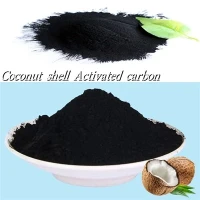
The unique, porous structure and vast surface area of activated carbon, combined with attraction forces, allows activated carbon to capture and hold various types of materials onto its surface. Activated carbon comes in many forms and varieties. It is produced by processing a carbonaceous material, most often coal, wood, or coconut husks, in a high temperature environment (such as a rotary kiln) in order to activate the carbon and create the highly porous surface structure.
Activated carbon is one of the most used products in the water treatment industry. It is extremely porous with a large surface area, which makes it an efficient adsorbent material. Activated carbon belongs to group of porous carbon materials that have high adsorption capacity and reactivation capability. Many substances are used as a base material to produce AC. The most common of those used in water purification are coconut shell, wood, anthracite and coal.
Cost Savings When Reactivate
Activated carbon can be regenerated, meaning that spent carbon can be processed to be reused; the adsorbed components can be desorbed and the spent carbon reactivated[6], allowing it to be reused repeatedly. Not all activated carbons are reactivated (powdered activated carbon is typically disposed of). Reactivation, however, is an attractive feature because it costs significantly less than purchasing virgin activated carbon and also results in a lower carbon footprint. It takes much less energy to reactivate carbon than it does to produce virgin carbon.
Depending on the location and capacity requirements of a treatment facility, on-site reactivation may offer economic benefits. Remote or isolated operations may find that the shipping costs required to transport spent carbon to a commercial reactivation facility will outweigh the cost of an on-site reactivation operation.
Our Products
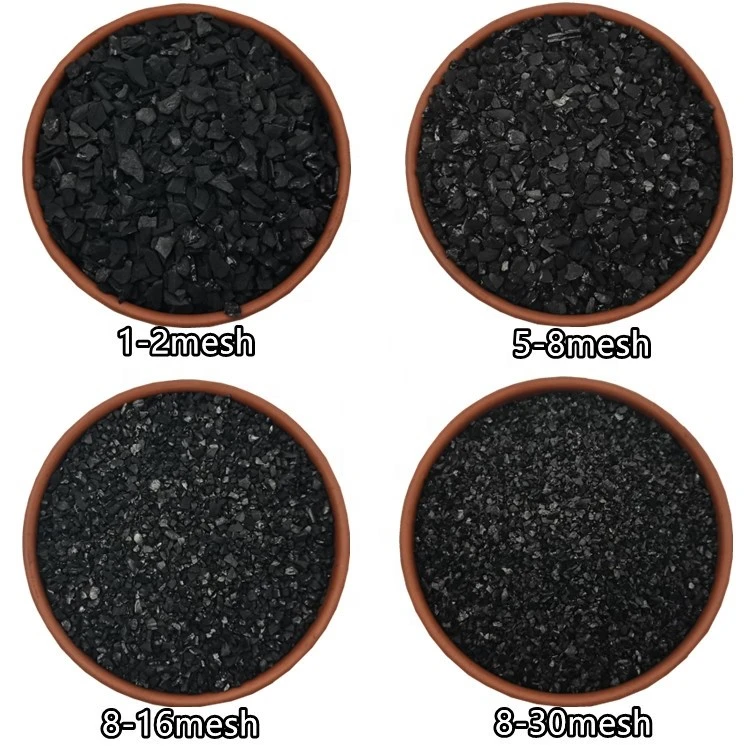
Granular Activated Carbon
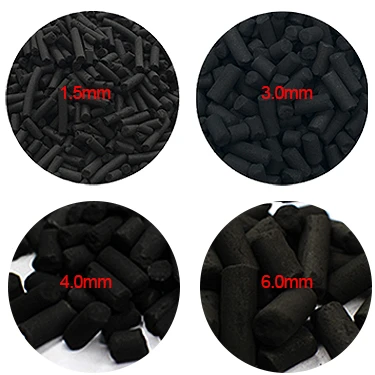
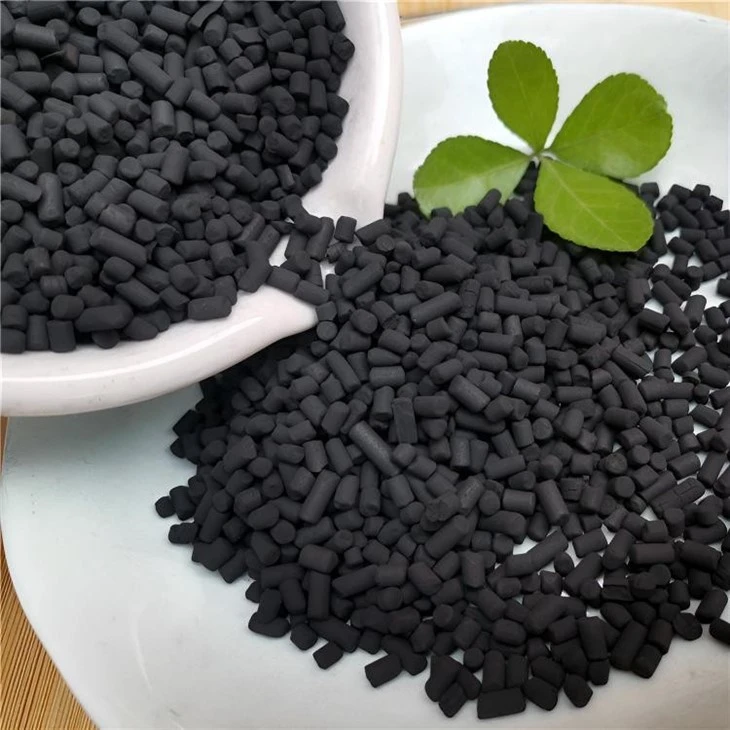
Columnar Activated Carbon
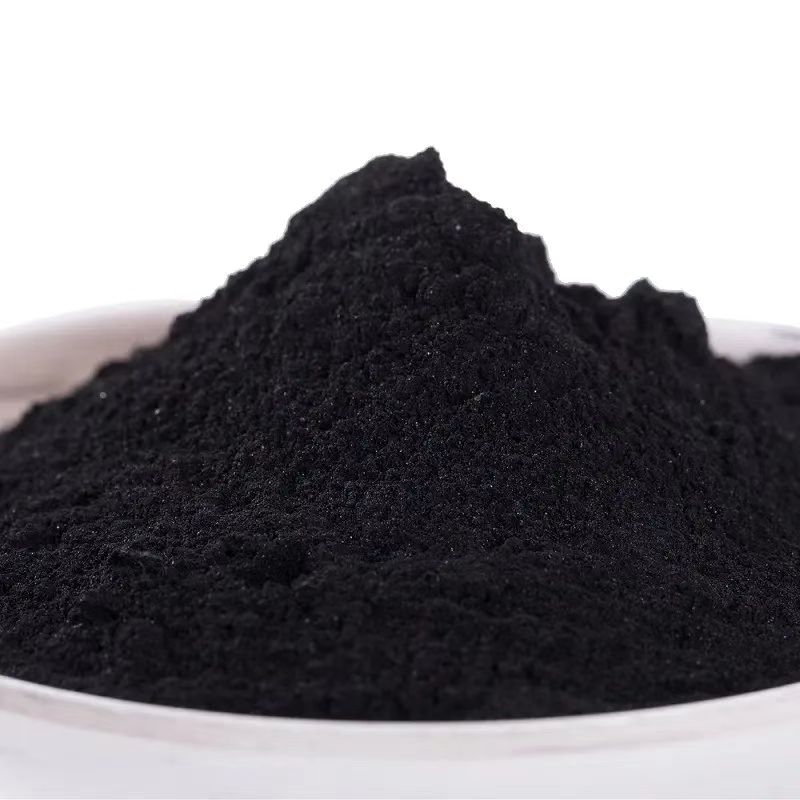
Powdered Activated Carbon
Activated carbon materials have specific effects on air purification due to their unique structure, but there may also be differences between different materials and pore sizes. Contact us and we will provide you with products that are more suitable for you.