Products Description
Activated carbon, also called active carbon and activated charcoal, which is a specially treated carbon that heats organic raw materials (husks, coal, wood, etc.) in the absence of air to reduce non-carbon components (this process is called carbonization), and then reacts with gas, and the surface is Corrosion produces a structure with well-developed micropores (this process is called activation).
Because the activation process is a microscopic process, that is, the surface erosion of a large number of molecular carbides is point erosion, which results in countless small pores on the surface of activated carbon. The micropore diameter on the surface of activated carbon is mostly between 2-50nm. Even a small amount of activated carbon has a huge surface area. The surface area of activated carbon per gram is 500-1500m2. Almost all applications of activated carbon are based on this feature of activated carbon.
Adsorption is a process where a solid is used for removing a soluble substance from the water. In this process active carbon is the solid. Activated carbon is produced specifically so as to achieve a very big internal surface (between 500 - 1500 m2/g). This big internal surface makes active carbon ideal for adsorption. Active carbon comes in two variations: Powder Activated Carbon (PAC) and Granular Activated Carbon (GAC). The GAC version is mostly used in water treatment, it can adsorb the following soluble substances:
1. Adsorption of organic, non-polar substances such as:
- Mineral oil
- BTEX
- Poly aromatic hydrocarbons (PACs)
- (Chloride) phenol
2.Adsorption of halogenated substance: I, Br, Cl, H en F
3.Odor
4.Taste
5.Yeasts
6.Various fermentation products
7.Non-polar substances (Substances which are non soluble in water)
Products Specification
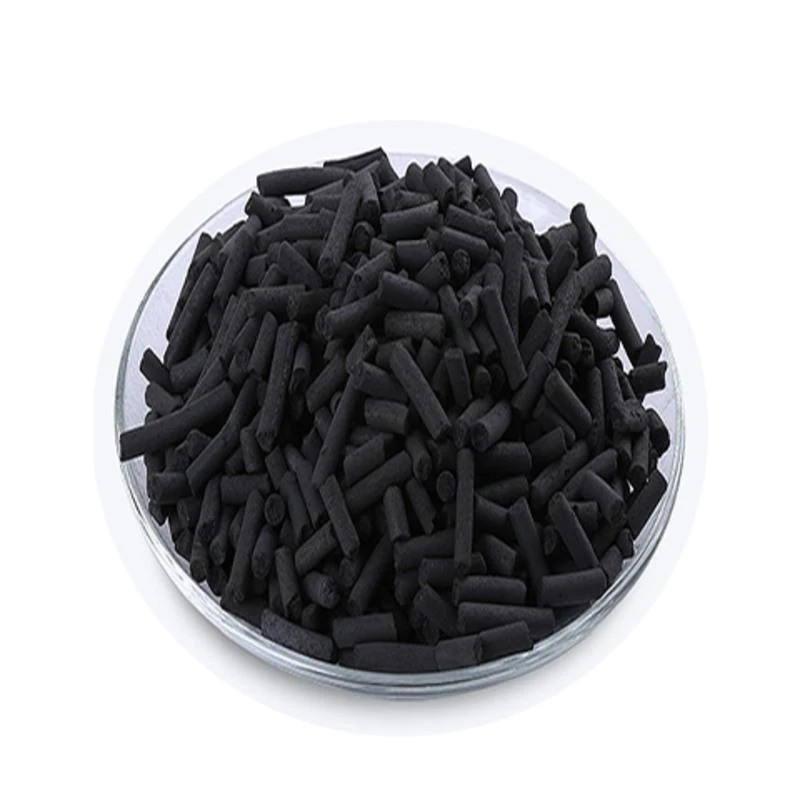
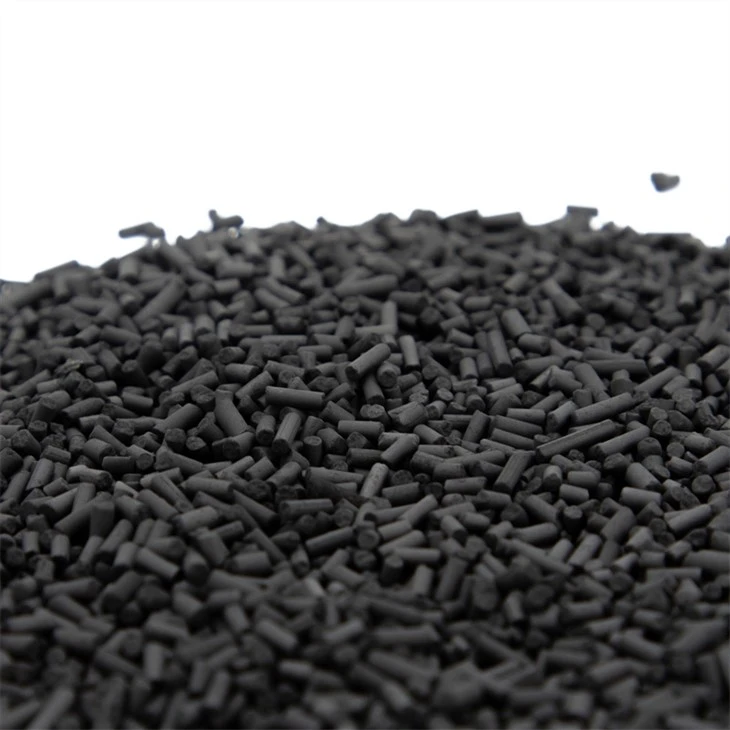
Columnar activated carbon
Columnar activated carbon(cabon pellet, activated carbon pellets) is also called extruded activated carbon, columnar activated carbon, and cylindrial activated carbon. According to different materials, columnar activated carbon is classified two types: wood type and coal type.
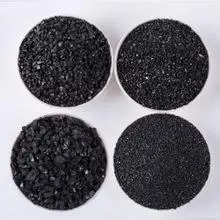
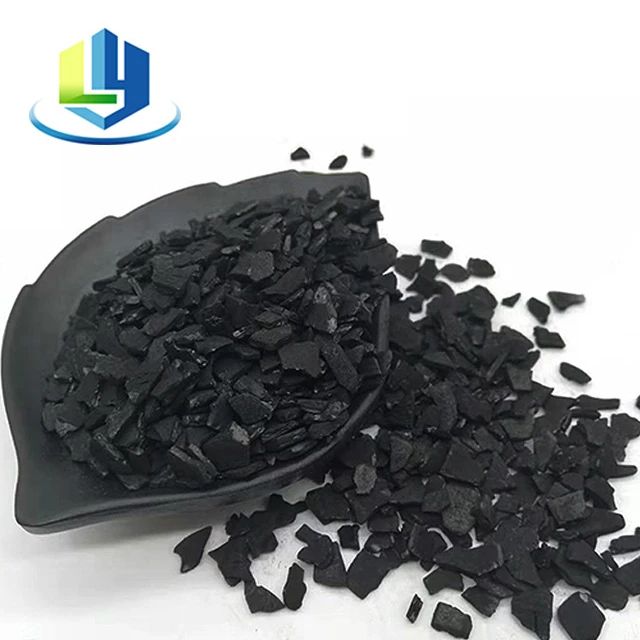
Granular activated carbon
Granular activated carbondescription Granular activated carbon also called broken activated carbon is divided into shaped and unshaped particles. It is mainly made of coconut shell fruit shell.
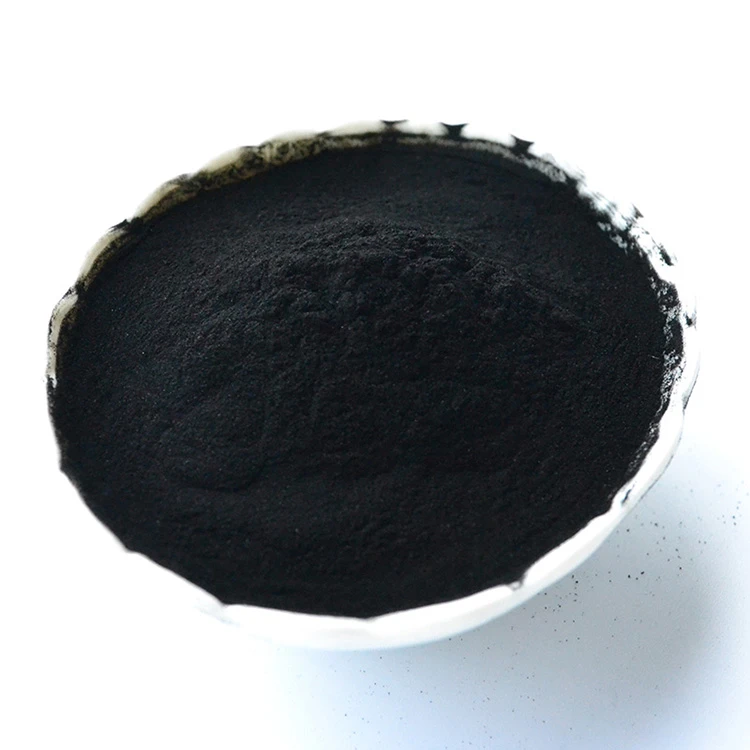
Powdered Activated Carbon
Powdered activated carbon is made from high-quality sawdust coconut shell and coal through a series of production processes. Powdered activated carbon has the advantages of fast filtration good adsorption performance strong decolorization.
|
ITEM
|
VALUE
|
ITEM
|
VALUE
|
|
|
Product Name
|
Factory Price Coconut Based Activated Carbon Filter Water Treatment
|
Classification
|
Chemical Auxiliary Agent
|
|
|
Other Names
|
Activated Carbon
|
CAS number
|
64365-11-3
|
|
|
Place of Origin
|
Shandong, China
|
EINECS No.
|
231-545-4
|
|
|
MF
|
C
|
Purity
|
99%
|
|
|
Type
|
Adsorbent, Activated Carbon
|
Moisture
|
5% Max
|
|
|
Usage
|
Water Treatment Chemicals
|
PH value
|
6-7
|
|
|
Application
|
Drinking Water Treatment, Sewage Treatment
|
Color
|
Black Color
|
|
|
Shape
|
Powder, Granular, Columnar
|
Raw Material
|
Coconut Shell Organic Charcoal Powder
|
|
|
Grade
|
Top Grade
|
Sample
|
Freely Provided
|
 facebook
  linkedin
  pinterest
  twitter
  whatsapp
  youtube
  instagram