


Gas purification
Activated carbon is used to measure radon concentration in air.
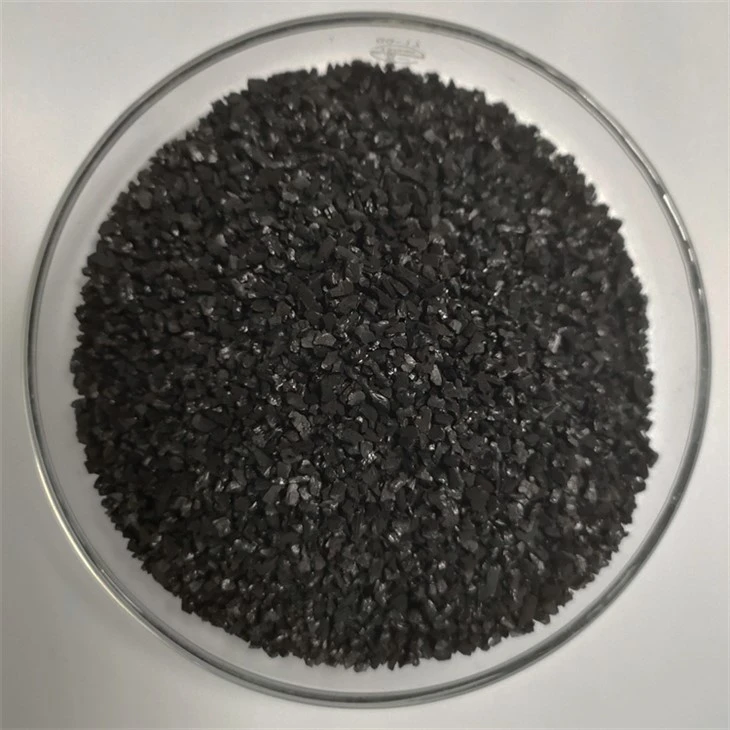
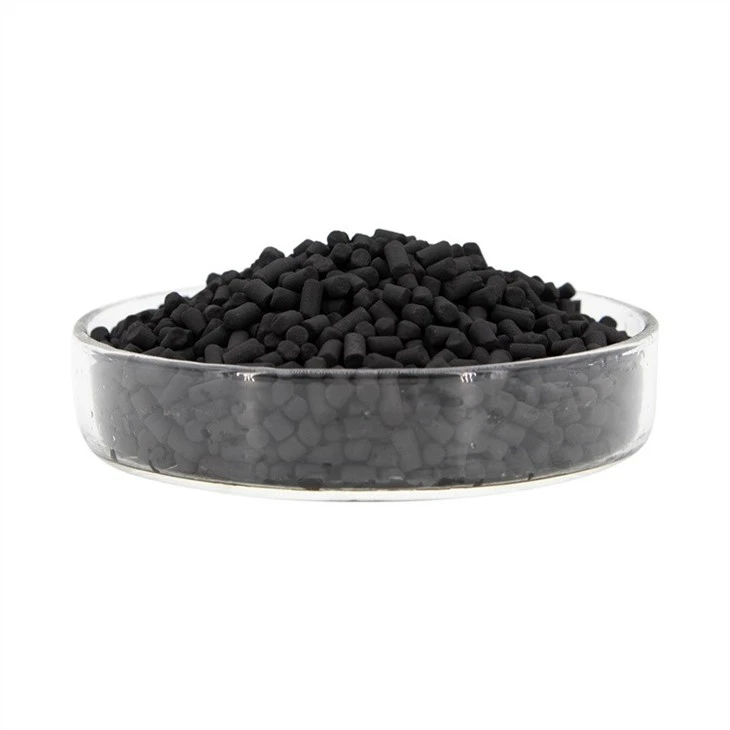
Filters with activated carbon are usually used in compressed air and gas purification to remove oil vapors, odor, and other hydrocarbons from the air. The most common designs use a 1-stage or 2-stage filtration principle in which activated carbon is embedded inside the filter media.
Activated carbon filters are used to retain radioactive gases within the air vacuumed from a nuclear boiling water reactor turbine condenser. The large charcoal beds adsorb these gases and retain them while they rapidly decay to non-radioactive solid species. The solids are trapped in the charcoal particles, while the filtered air passes through.
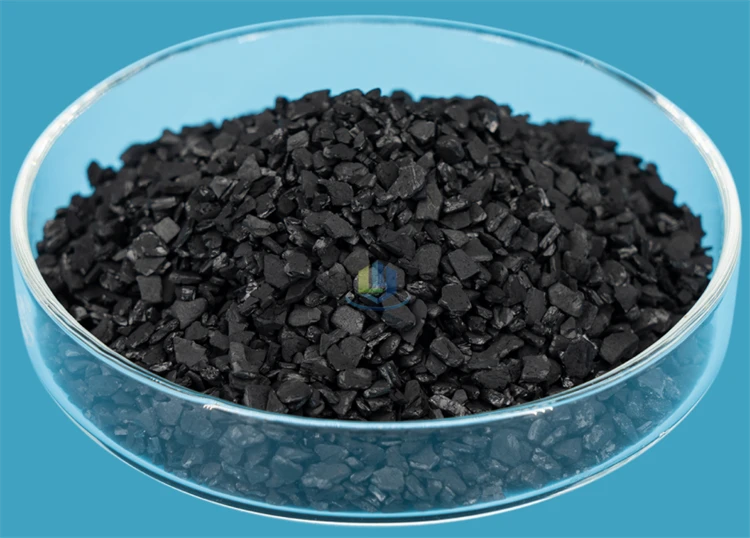
| specification | value |
|
Relative density |
1.95 (nitrogen replacement method) |
|
Apparent density |
O.2~O.3g/cm3 |
|
The average particle size |
30~45nm |
|
Specific surface area |
55~70m2/g |
|
Iodine absorption value |
60~80gI2/kg |
|
Carbon content |
>99.5% |
|
Hydrogen content |
<0.1% |
|
Oxygen content |
0.07%~0.26% |
|
pH value |
5~7 |


