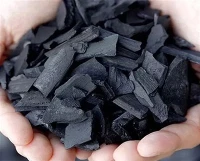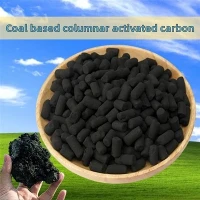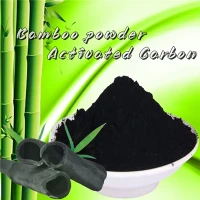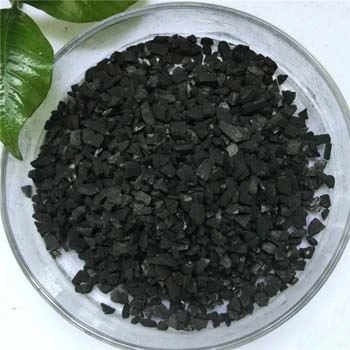
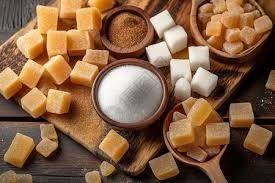
Activated carbon or activated charcoal is one of the most widely used substances in the water treatment industry, which is mostly produced in powder and granular forms. The main applications of activated carbon are separating the pigments, odors, tastes and chlorine from the water in the food and chemical industry, aquarium, domestic.
Because the activation process is a microscopic process, that is, the surface erosion of a large number of molecular carbides is point erosion, resulting in numerous small pores on the surface of activated carbon.
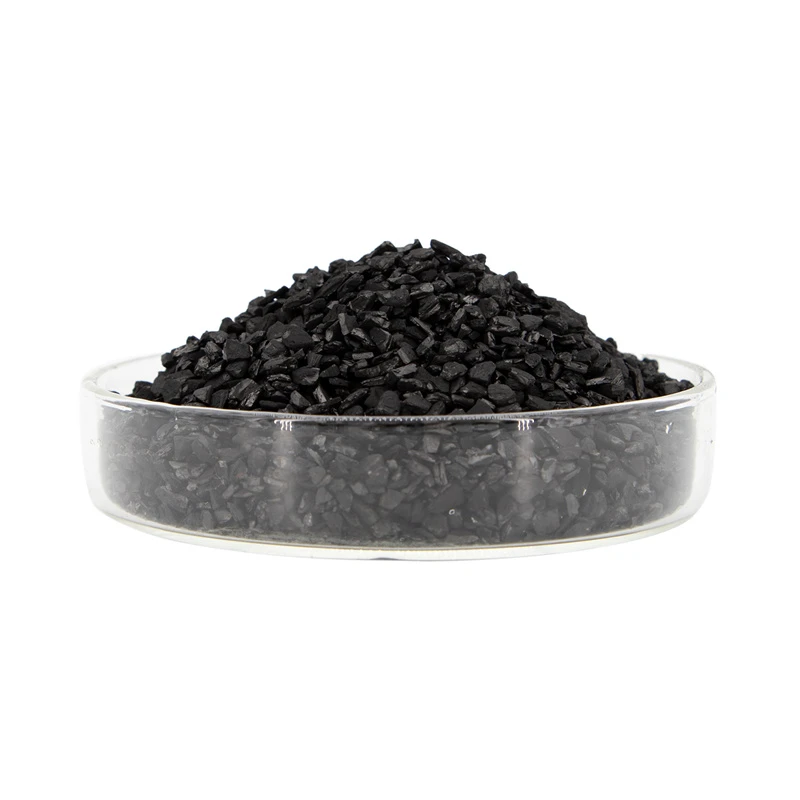
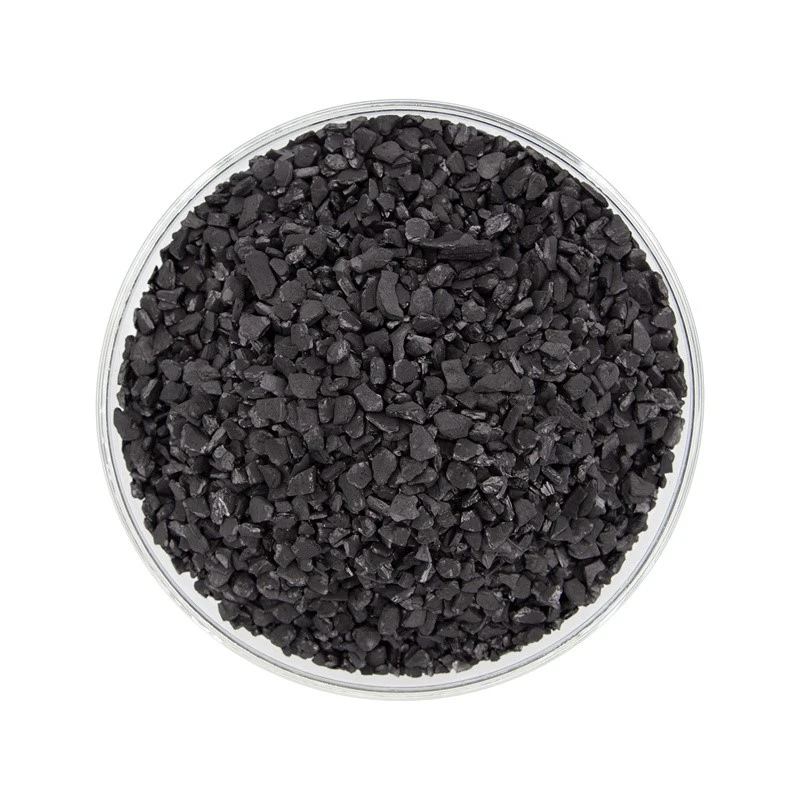
The main purpose of using activated carbon in the food industry is to remove pigments and their precursors, adjust fragrance, deodorize, remove colloids, remove substances that hinder crystallization, and improve product stability.
Application of activated carbon in decolorization

Sugar decolorization is the oldest application of activated carbon. Around the 18th century, bone charcoal was already used for decolorization in the sugar industry, and since the 20th century, bone charcoal has gradually been replaced by activated carbon.
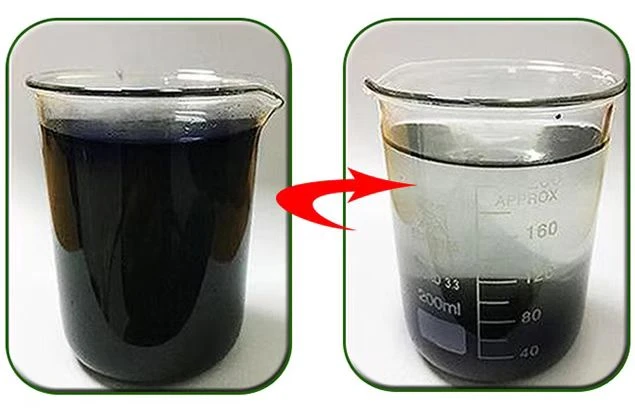
Sugar solution contains various colored substances, such as melanin, caramel, and iron complex, among which melanin has a significant impact on the color value of sugar crystals. Activated carbon has a well-developed pore structure with coexisting macropores, mesopores, and micropores, which enables it to effectively remove various colored substances, and its adsorption effect on black like substances is particularly outstanding, making it widely used.
In addition to decolorization, activated carbon can also remove the colloid and active impurities on the surface of the sugar liquid, so as to increase the surface tension of the sugar liquid, reduce the viscosity, reduce the foam during evaporation, improve the cleaning speed, and improve the separation effect of sugar crystal and molasses.
Both powdered activated carbon and granular activated carbon can be used for sugar decolorization.
Powdered activated carbon has a large surface area per unit volume and can be processed in a short period of time, making it easy to adapt to changes in solution properties. The operation is mostly intermittent and has a smaller scale.
Granular activated carbon can be filled in the adsorption column for continuous operation and can be recycled through regeneration, making it suitable for large-scale production. The quality of the sugar solution treated by this method is uniform and can reduce production costs.
Activated carbon materials have specific effects on air purification due to their unique structure, but there may also be differences between different materials and pore sizes. Contact us and we will provide you with products that are more suitable for you.