


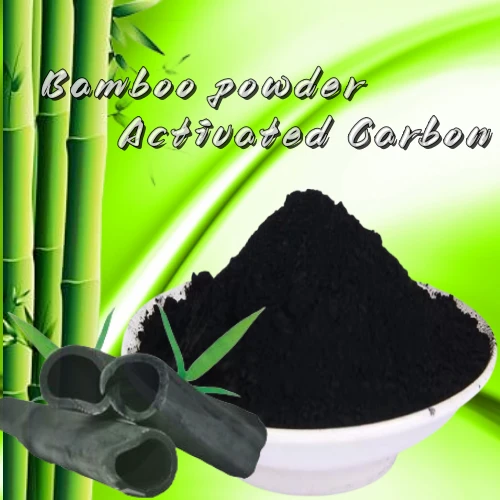
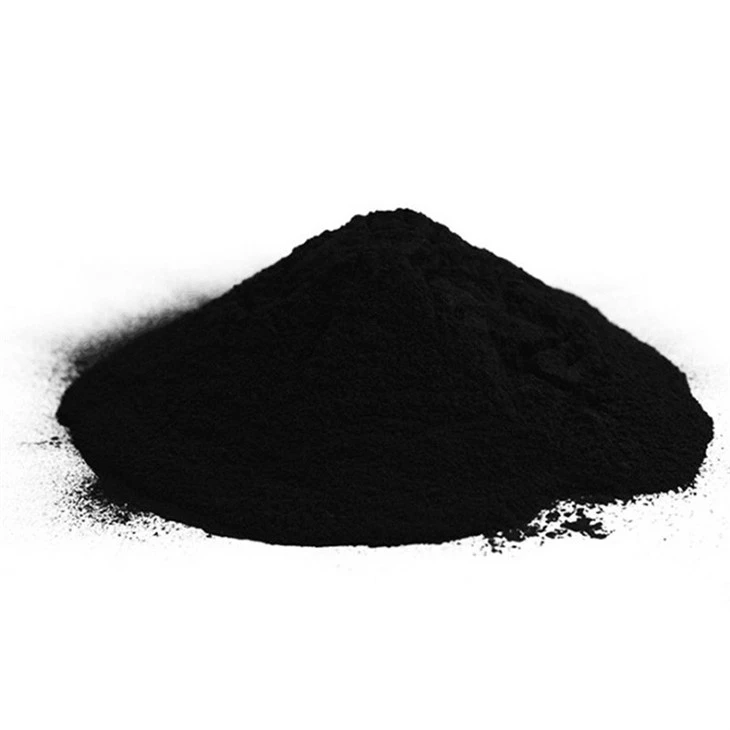
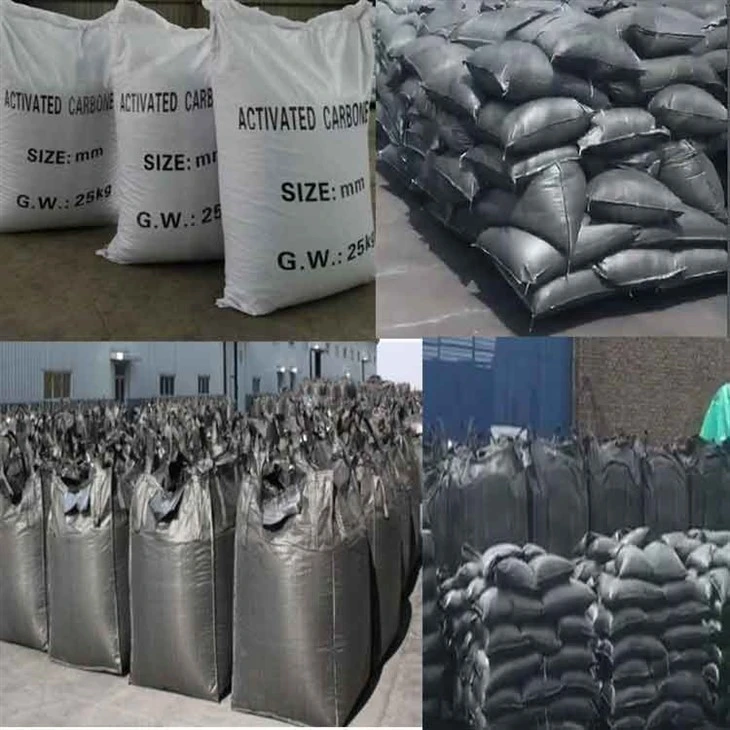
Bamboo based powdered activated carbon for deodorization of sucrose or dye decolorization waste gas and water treatment
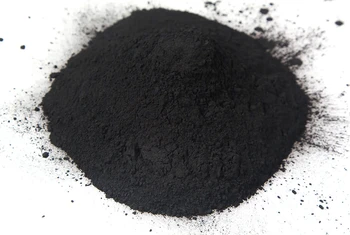
1.Bamboo based powder activated carbon is refined and processed through carbonization, high-temperature activation, and pretreatment.
2.The product has developed pore structure, large specific surface area, high wear resistance, fast adsorption speed, large adsorption capacity, easy desorption, and can be recycled repeatedly.
3.The particle shape is full and uniform, which greatly improves the wear resistance of the product.
4. After entering the factory, there is no need for pre-grinding, and it can be used directly after washing with water.

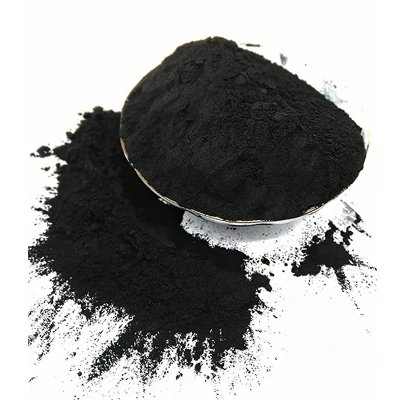
Powder Activated carbon It has small,low-volume pores that increase the surface area available for adsorption.
Due to its high degree of microporosity, just one gram of activated carbon has a surface area in excess of 3,000 m2 (32,000 sq ft), as determined by gas adsorption. So it will strongly attract and absorb dirt color ,toxins from skin and teeth.The food grade activated charcoal powder is made of high quality pure bamboo.
Activated carbon is porous carbon material.Due to its highly developed porous structure and huge specific surface area, activated carbon has very strong adsorption capacity, Its pores include micropores mesopores and macropores,There are many oxygen containing functional groups on the surface of activated carbon, Activated carbon can also be impregnated with chemical substance to produce impregnated activated carbon.


It is obtained by carbonization of coconut shells under isolated air conditions at a high temperature of 600-900 ℃, followed by oxidation activation with air, carbon dioxide, water vapor, or a mixture of the three gases at 400-900 ℃.
Main parameter for Powdered Activated Carbon
The PH,Moisture and other parameter basis on customer requirements.
The additional inspection items to be executed according to the customer's requirements.
| Item | Activated carbon powder |
| Size ( Mesh ) | 80-600 |
| PH | 6-8( can be adjusted ) |
| Hardness | >90 |
| Iodine Value | 700-1200 |
| Ash (%) | <5% |
| Methylene Blue Adsorption (mg/g) | >120 |
Activated carbon, in 50% w/w combination with celite, is used as stationary phase in low-pressure chromatographic separation of carbohydrates (mono-, di-, tri-saccharides) using ethanol solutions (5–50%) as mobile phase in analytical or preparative protocols.
Application in the decolorization of sucrose and dyes


This powdered activated carbon has developed mesoporous structure, fast decolorization speed, large adsorption capacity, short filtration time, and excellent hydrophobicity. Especially suitable for decolorization and refining of deep pigments and polymer materials. The main purpose of using activated carbon in food is to remove pigments and their precursors, adjust fragrance, deodorize, remove colloids, remove substances that hinder crystallization, and improve product stability.
Food decolorization activated carbon is widely used in liquid phase adsorption, such as sugar industry, beverage industry, chemical industry, medical and pharmaceutical industry, oil industry, printing and dyeing industry, environmental protection industry, and other fields.
Especially suitable for the decolorization and gelatinization of sweeteners in the food industry, such as sugarcane sugar, beet sugar, starch sugar, lactose, molasses, xylose, xylitol, maltose, glucose, and hydrolyzed protein solutions.
Sugar liquid decolorization activated carbon has a highly developed macroporous structure, with reasonable distribution of transition pores and small pores. It can efficiently adsorb large, medium, and small molecule pigments and impurities in various syrup raw materials and products such as rice starch syrup, corn starch syrup, potato starch syrup, sugarcane syrup, beet syrup, fructose syrup, xylose syrup, etc. It is a high-quality adsorbent for flavor and decolorization refining of glucose, xylose, sucrose, maltose, fructose, and other syrup raw materials and products.
Application in industrial waste gas treatment


The application of activated carbon gas phase adsorption is mainly reflected in: toxic gas treatment, waste gas purification and recovery, industrial emissions of harmful gases, flue gas desulfurization, and gas mask filling.
Powdered activated carbon has a larger specific surface area and can fully absorb harmful chemical components in exhaust gas. It is easy to diffuse and can come into contact with exhaust gas more effectively. Its adsorption efficiency is four times that of granular activated carbon. This product is black, odorless, and has strong adsorption ability, which is harmless to the human body. It is widely used in industrial waste gas treatment.
In addition, this powdered activated carbon is widely used in the incineration treatment of garbage, effectively adsorbing complex gases such as carbon dioxide, sulfur dioxide, nitrogen oxides, hydrogen fluoride, hydrogen chloride, furan, and dioxins generated during the incineration process, in order to achieve the purpose of purification. Suitable for the purification of combustion gases in power plants, steelmaking plants, thermal power plants, and urban waste incineration plants, as well as the purification of sulfide containing exhaust gas from cremation plants.


