


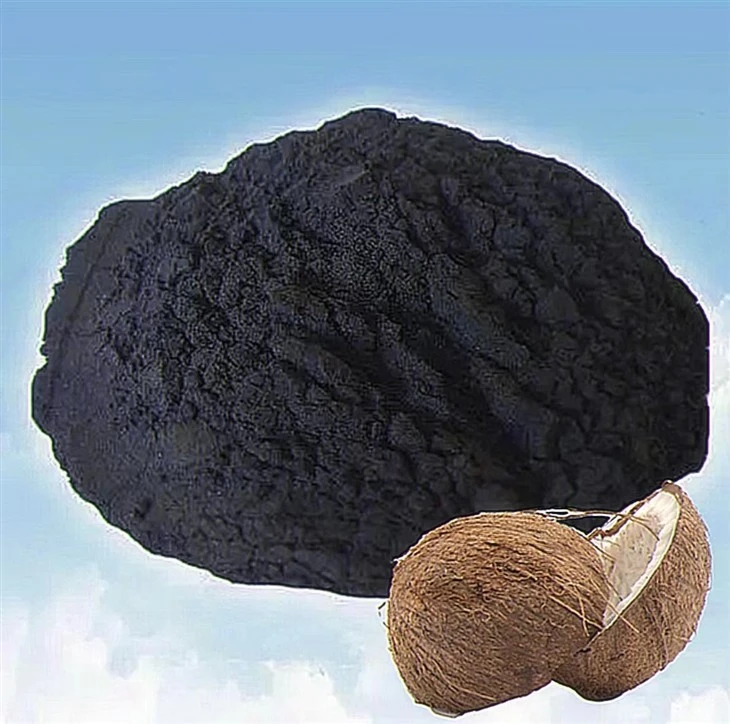
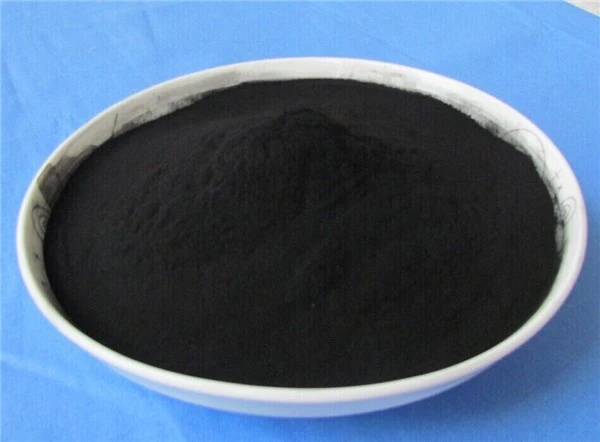
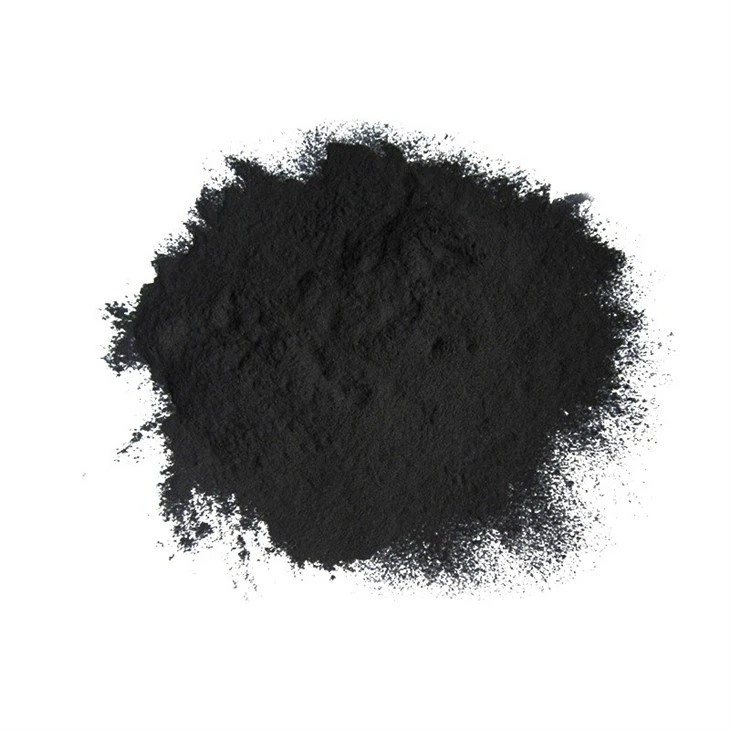
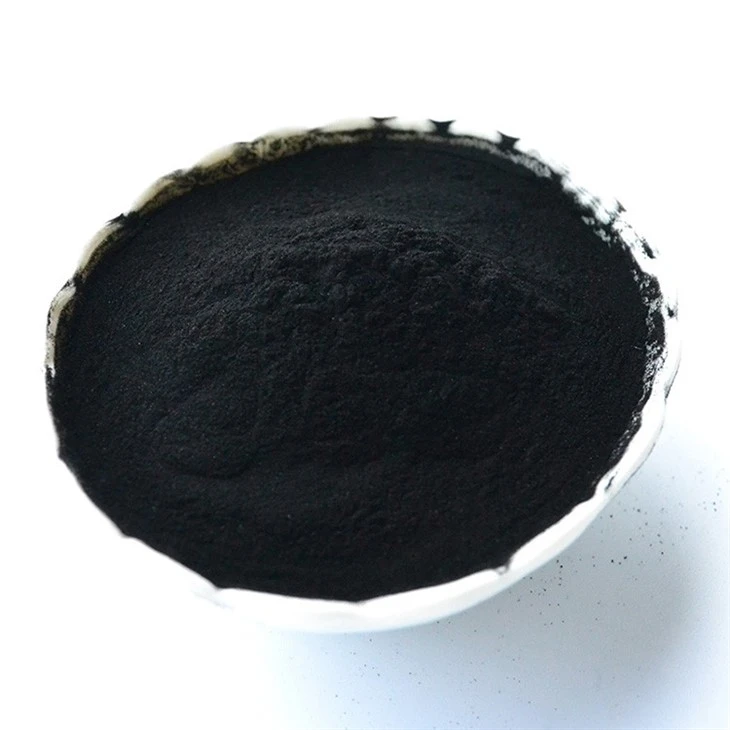
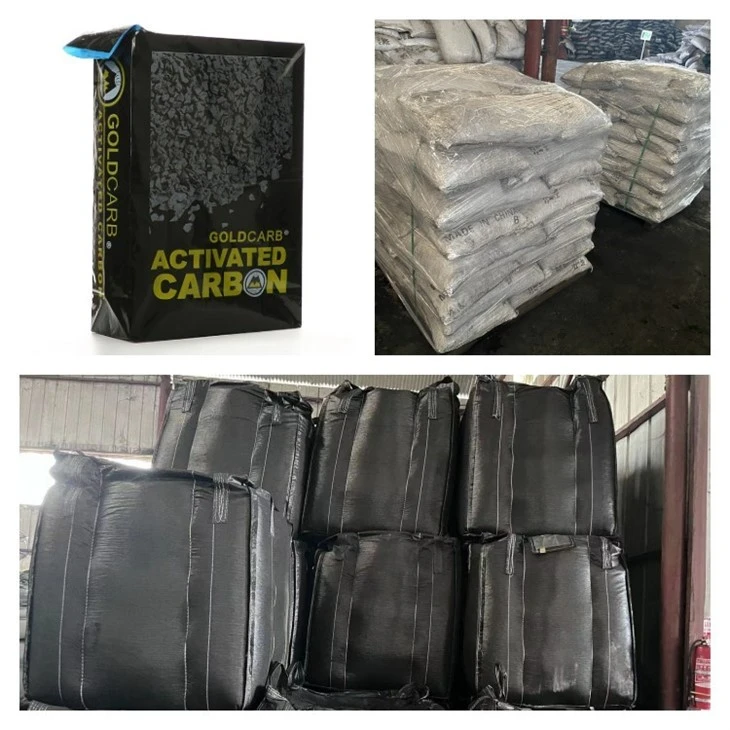
Waste Gas Treatment High Quality Coconut Shell Activated Carbon Powder For Water Purify


Coconut shell activated carbon is made of high-quality coconut shell from Southeast Asia , and is refined and processed through carbonization, high-temperature activation, and pretreatment.The product has developed pore structure, large specific surface area, high wear resistance, fast adsorption speed, large adsorption capacity, easy desorption.
Activated carbon is porous carbon material.Due to its highly developed porous structure and huge specific surface area, activated carbon has very strong adsorption capacity, Its pores include micropores mesopores and macropores,There are many oxygen containing functional groups on the surface of activated carbon, Activated carbon can also be impregnated with chemical substance to produce impregnated activated carbon.


Powdered activated carbon is made by washing,grinding,extruding,carbonation,activation and screening the raw materials. From the adsorption effect, the adsorption effect of powder activated carbon is better than that of granular activated carbon. This is because the surface area of powdered activated carbon is much larger than that of granular activated carbon, so it has a higher adsorption effect.
| specification | value | ||
| Relative density | 1.95 (nitrogen replacement method) | ||
| Apparent density | O.2~O.3g/cm3 | ||
| The average particle size | 30~45nm | ||
|
55~70m2/g | ||
| Iodine absorption value | 60~80gI2/kg | ||
| Carbon content | >99.5% | ||
| Hydrogen content | <0.1% | ||
| Oxygen content | 0.07%~0.26% | ||
| pH value | 5~7 |
Under normal circumstances, the processing capacity of powdered activated carbon is 4 times that of granular activated carbon.The particle size of powdered activated carbon is small, easy to dissolve, and not easy to stay in the human body, so it is safer. It is widely used in various amino acid industry, such as sodium glutamate, phenylalanine and other amino acid products decolorization, purification, deodorization, impurity removal.
Produce line
-1) Grinding :crush coconut shell to small pieces
-2)Extruding:if you want columnar activated carbon, extruding activated carbon to pellets.
-3) Carbonation:carbonized the pellets or coconut shell powder to carbon.
-4) Activation:Physical method and chemical method.
-5)Screening: Separate different size carbon powder.

Application Areas

Chemical purification
Activated carbon is commonly used on the laboratory scale to purify solutions of organic molecules containing unwanted colored organic impurities. Filtration over activated carbon is used in large-scale fine chemical and pharmaceutical processes for the same purpose. The carbon is either mixed with the solution then filtered off or immobilized in a filter.
Mercury scrubbing
Activated carbon, often infused with sulfur or iodine, is widely used to trap mercury emissions from coal-fired power stations, medical incinerators, and from natural gas at the wellhead. But the mercury-laden activated carbon presents a disposal dilemma. If the activated carbon contains less than 260 ppm mercury, allow it to be stabilized (for example, trapped in concrete) for landfilling. However, waste containing greater than 260 ppm is considered to be in the high-mercury subcategory and is banned from landfill.


In addition, Activated carbon can be used in methane and hydrogen storage, air purification, capacitive deionization,supercapacitive swing adsorption, solvent recovery, decaffeination, gold purification, metal extraction, water purification,medicine, sewage treatment, air filters in respirators, filters in compressed air, teeth whitening, production of hydrogen chloride, edible electronics,and many other applications.
Industrial :
One major industrial application involves use of activated carbon in metal finishing for purification of electroplating solutions. For example, it is the main purification technique for removing organic impurities from bright nickel plating solutions. A variety of organic chemicals are added to plating solutions for improving their deposit qualities and for enhancing properties like brightness, smoothness, ductility, etc.
Due to passage of direct current and electrolytic reactions of anodic oxidation and cathodic reduction, organic additives generate unwanted breakdown products in solution. Their excessive build up can adversely affect plating quality and physical properties of deposited metal. Activated carbon treatment removes such impurities and restores plating performance to the desired level.
Analytical chemistry :
Activated carbon, in 50%w/wcombination withcelite, is used as stationary phase in low-pressurechromatographicseparation ofcarbohydrates(mono-, di-, tri-saccharides) usingethanolsolutions (5–50%) asmobile phasein analytical or preparative protocols.Activated carbon is useful for extracting the direct oral anticoagulants (DOACs) such as dabigatran, apixaban, rivaroxaban and edoxaban from blood plasma samples.For this purpose it has been made into "minitablets", each containing 5mg activated carbon for treating 1ml samples of DOAC. Since this activated carbon has no effect on blood clotting factors, heparin or most other anticoagulantsthis allows a plasma sample to be analyzed for abnormalities otherwise affected by the DOACs.


