




Products Description
Production for Granular Activated Carbon Coconut
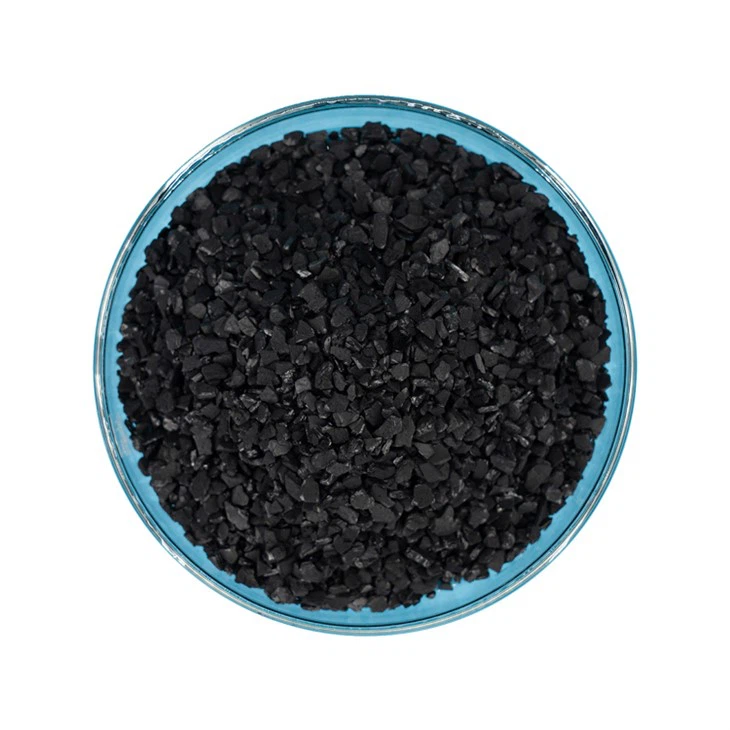
Coconut shell activated carbon, large internal surface areas characterized by microporosity along with high hardness and low dust make these coconut shell carbons particularly attractive for gold recovery and water filters etc.

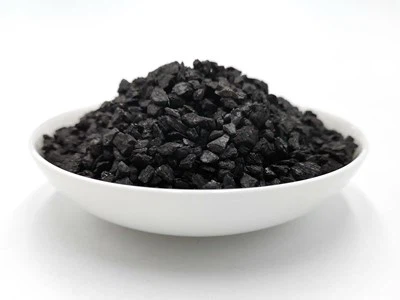
Activated carbon is a specially treated carbon that heats organic raw materials (fruit shells, coal, wood, etc.) under air-isolated conditions to reduce the non-carbon component (a process called carbonization), which then reacts with gases and the surface is eroded to produce microporous structures (this process is called activation). Since the process of activation is a microscopic process, that is, the surface erosion of a large number of molecular carbides is punctate erosion, so the activated carbon surface has countless fine pores.
The micropore diameter of the surface of activated carbon is mostly between 2 and 50 nm, even if a small amount of activated carbon, there is a huge surface area, the surface area of each gram of activated carbon is 500 ~ 1500 m2, all applications of activated carbon, almost all based on this feature of activated carbon.
Application for coconut shell activated carbon
-Water filter
-MSG decolorization (K15 activated carbon)
-Gold refining
-Drinking water
-Beverage, food and medicines water treatment
-Pond and pool water purification
-Smoking filter
-Air purification
-Gas Absorb
-Face mask
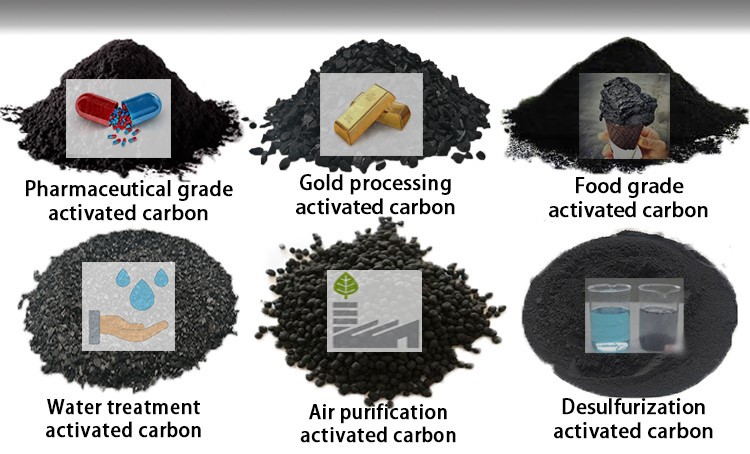
Technical Parameter for Granular Activated Carbon Coconut
| Shape | Powder | Granular | Pellets |
|
Iodine (mg/g) |
900-1200 | 900-1200 | 900- 1200 |
| Packing Density(g/ml) | 0.35-0.45 | 0.35-0.45 | 0.35-0.45 |
| Ash content(%) | <5 | <5 | <5 |
| Wear intensity(%) | - | 99 | 99 |
| Mesh size | 200 |
6-12 8-30 |
2mm,4mm |


