


Maintaining a clean and clear pool requires choosing the right filter media. In recent years, pool filter balls have become increasingly popular as a modern alternative to traditional sand in pool filtration systems. These small, lightweight balls are made of a special material designed to capture finer particles and improve water clarity. But are they truly superior to sand? In this article, we'll explore the pros and cons of pool filter balls and explain why they may be a better choice for many pool owners.
What are pool filter balls?
Pool filter balls are reusable synthetic spheres used as the filter media in pool filters. Unlike sand, which uses its granular structure to capture particles, pool filter balls are made of polyethylene fibers, which are dense and lightweight. This unique design enables pool filter balls to capture particles as small as 5 microns, while sand typically only filters particles around 20-40 microns. This difference in filtration capacity can significantly affect the cleanliness and clarity of your pool water, especially in heavily used pools or those prone to debris.
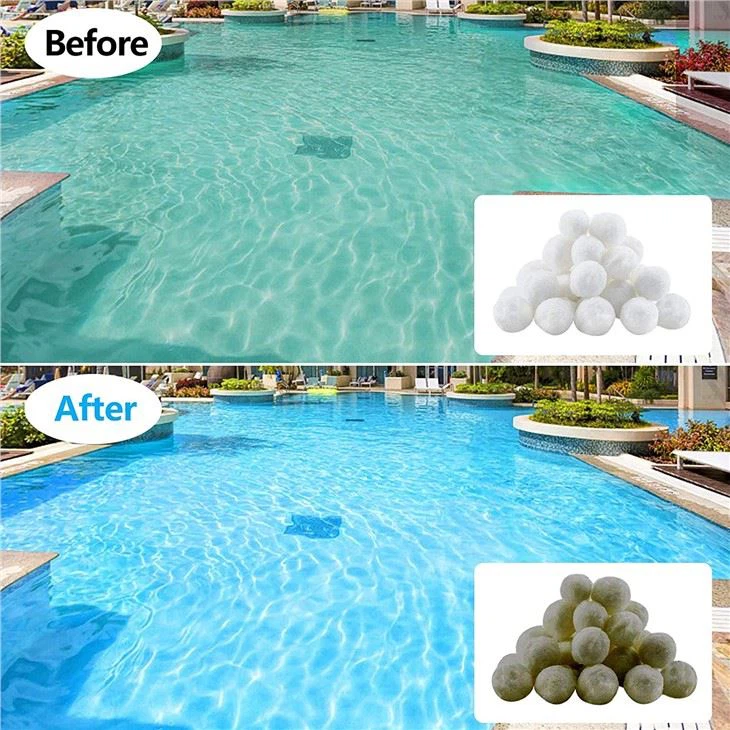
Advantages of Pool Filter Balls Over Sand
There are several benefits to using pool filter balls instead of sand. Here are the main reasons many pool owners and experts are turning to this new filtration method.
1. Superior Filtration Quality
The primary advantage of pool filter balls is their ability to capture finer particles. By trapping smaller debris, filter balls provide a level of water clarity that is often difficult to achieve with sand alone. Higher filtration efficiency means fewer contaminants in the water, resulting in a cleaner pool and requiring fewer chemicals for maintenance.
2. Lightweight and Easy to Install
Pool filter balls are much lighter than sand, making them easier to install, remove, and replace. For example, a 1.5-pound (approximately 6 kg) filter ball can replace a 50-pound (approximately 23 kg) bag of sand, significantly reducing workload. The lighter weight also makes maintenance easier, as there's no need to physically carry sand bags.
3. Energy Efficiency
Pool filter balls create less resistance to water flow than sand, reducing the load on the pool pump. Lower resistance means the pump doesn't have to work as hard, reducing energy consumption and extending its lifespan. This translates to significant energy savings over the long term, making pool filter balls an environmentally friendly and cost-effective choice for pool owners.
4. Longer Lifespan and Reusability
Unlike sand, which typically needs to be replaced every 3-5 years, pool filter balls are reusable and, if properly cared for, can last for years. They can be cleaned simply by rinsing with water, making maintenance costs low. In fact, many pool filter ball manufacturers recommend quarterly cleaning to maintain optimal performance. This longevity and reusability help reduce overall costs in the long run.
5. Environmentally Friendly
Pool filter balls are generally more environmentally friendly than sand because they can be cleaned and reused, reducing the frequency of disposal. Furthermore, since they are synthetic, they don't degrade like sand, thus preventing erosion or other environmental issues associated with using sand as a filter medium.
Are Pool Filter Balls Suitable for Every Pool?
While optimal filter balls offer high efficiency and numerous advantages, they are not suitable for every pool setup. Here are some things pool owners should be aware of.
1. Compatibility with Pool Filtration Systems
Not all pool filtration systems are compatible with pool filter balls, so be sure to check compatibility before replacing them. Some older sand filters may not work effectively with pool filter balls or may require minor modifications. Always consult the manual of your pool filter ball or contact the manufacturer to ensure compatibility.
2. Initial Cost
While pool filter balls offer a longer lifespan, their initial cost may be higher than sand. Sand is relatively inexpensive and readily available, while pool filter balls are a higher-end product and generally more expensive. However, the long-term savings in energy and replacement costs may offset this initial investment.
3. Maintenance Requirements
Some pool owners may find that their pool filter balls require more frequent cleaning, especially in areas with heavy debris accumulation or high levels of dust or pollen. While cleaning filter balls is generally simple, some may find it more inconvenient than cleaning sand.
How to Choose the Best Filter Ball for Your Pool
With the increasing popularity of pool filter balls, numerous brands have emerged, each with slightly different materials, durability, and filtration performance. When choosing the best filter ball, look for one made of high-quality materials and with high filtration efficiency. Reputable pool filter ball manufacturers typically provide clear compatibility and maintenance instructions to ensure their products meet the needs of pool owners.