


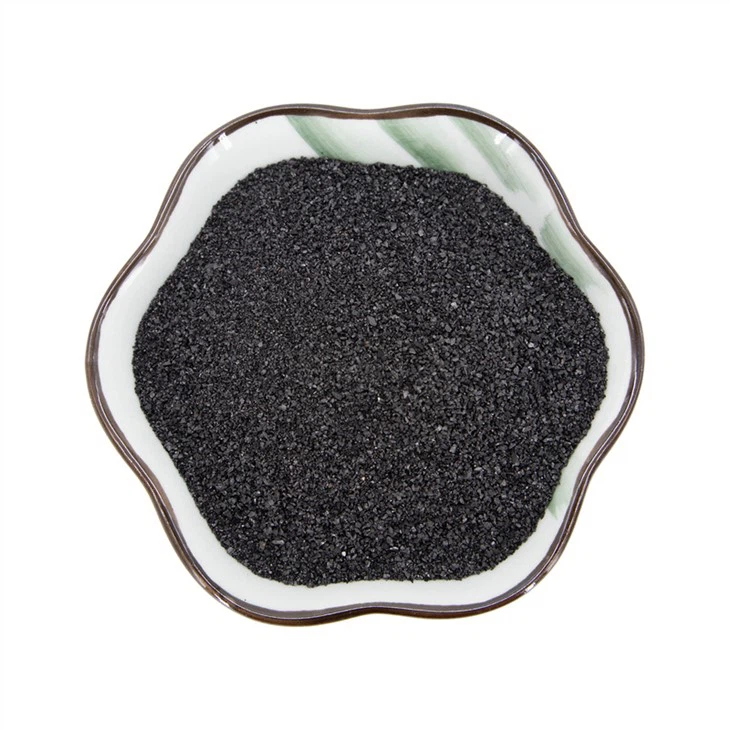
Coconut shell activated charcoal is one of the most commonly used types of activated charcoal, and it has several features that set it apart from other forms. Here are some key points to consider:
Raw Materials: Coconut Shell Activated Charcoal comes from coconut shells. This naturally renewable resource can be found everywhere in the tropics and is an environmentally friendly choice. Other types of activated charcoal can be made from materials such as wood, coal, peat, or bamboo.
Adsorption capacity: Activated carbon is known for its high adsorption capacity, i.e. its ability to bind and remove impurities from gases, liquids and solids. Coconut shell activated carbon has a large surface area due to its microporous structure, providing an extensive network of nooks and crannies that enhances its adsorption capacity. This high surface area enables it to efficiently trap toxins, chemicals and pollutants.
Purity and Quality: Coconut shell activated charcoal is generally considered a premium product. The manufacturing process involves a series of controlled heating and oxidation steps on coconut shells, resulting in high-purity charcoal. This ensures it is free of harmful contaminants or residual chemicals, making it suitable for a variety of applications including food, water and medical uses.
Impurity Selectivity: Coconut shell activated carbon has shown excellent selectivity in adsorbing certain types of impurities. It is especially effective at removing organic compounds, including toxins, gases, odors and volatile organic compounds (VOCs). Its microporous structure allows the selective adsorption of these organic molecules, making it the first choice for air and water purification systems.
Regeneration: Another advantage of coconut shell activated carbon is its ability to regenerate. After absorbing impurities, activated carbon eventually becomes saturated and loses its effectiveness. However, coconut shell activated carbon can be regenerated by high temperature, for example through a process called thermal reactivation. This helps restore its adsorption capacity, extending its life and reducing waste.
Uses: Coconut shell activated carbon is widely used in various industries. It is commonly used in water filtration systems, air purifiers, gas masks and respirators to remove pollutants. Furthermore, it is used in the food and beverage industry for decolorization, deodorization and purification purposes. In medicine, it is used for emergency detoxification and bowel cleansing.
Sustainability: Due to its renewable resource and biodegradable properties, coconut shell activated carbon is considered a sustainable option. Coconuts are abundant and widely cultivated in many tropical regions, with a steady supply. Additionally, using coconut shell waste as a raw material reduces environmental impact as it repurposes a by-product that would otherwise go to waste.
While coconut shell activated charcoal offers many advantages, other types of activated charcoal may have specific benefits depending on its source material and manufacturing process. Factors such as pore size, surface area, and impurity selectivity can vary, making different types of activated carbon more suitable for specific applications.
If you want to know more about our products or request a quotation, please feel free to contact us, our company will reply you within 24 hours.