powder activated carbon
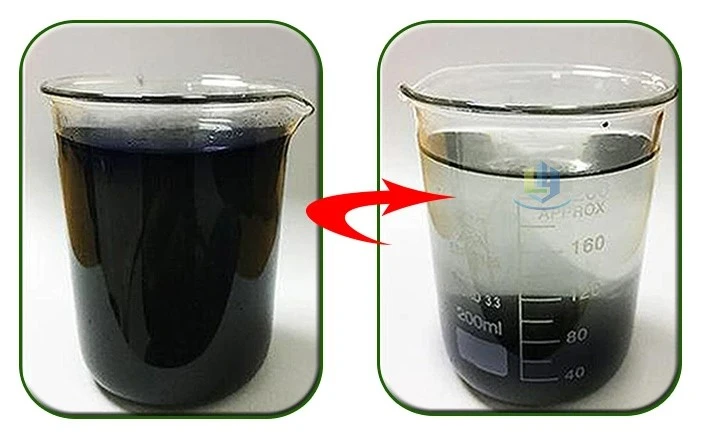
Activated carbon is a porous material that consists of carbon and many other elements. This material can remove pigments by adsorbing a layer of activated carbon attached to the surface of the substance, thereby achieving the effect of improving the quality of the substance.
Since the surface of activated carbon has many pores, it can adsorb many organic substances including pigments and odor molecules in organic substances.
How to use activated carbon decolorization
1. Determine the type and amount of decolorizer
Different types of activated carbon decolorizers are selected according to the characteristics of the substance. For example, for some substances, large particles of activated carbon are required, while for other substances, small particles of decolorizer are required. In addition, the dosage of activated carbon decolorization is also very important, and the dosage needs to be determined according to the quality and properties of the substance and the requirements of the decolorization effect.
2. Pretreatment
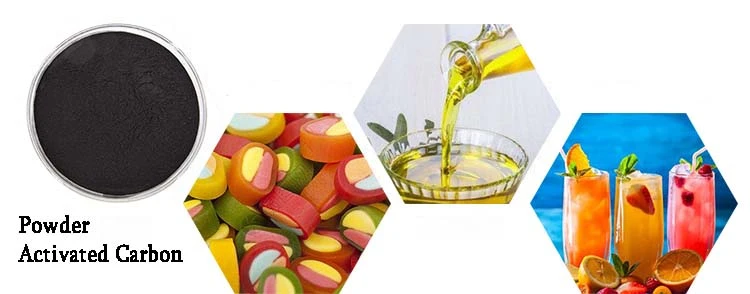
Before using the activated carbon decolorizer, the substance needs to be pretreated. For example, in the beverage industry, the substance needs to be cleaned by heat treatment, filtration, etc., and harmful substances such as potential microorganisms and heavy metals that may contaminate are removed.
3. Stir the decolorizer
Add the activated carbon decolorizer to the substance and mix it thoroughly. For best results, the decolorant needs to be evenly distributed while stirring. Careful attention should be paid to the stirring time and speed. Usually, the stirring should be stopped after 2-3 hours.
4. Filtering the substance
After the decolorant is stirred, the substance needs to be filtered. The filtering method is selected according to the different substances. For example, for clear liquids, filter paper, filter cloth or filter screen can be used for filtration. For materials with high viscosity (such as pastes) or high temperature, centrifugal filtration or vacuum filtration is required.
5. Washing and drying
After the decolorization process is completed, the substance needs to be washed and dried. For some substances, different water detergents are required to remove any residual decolorant. After the washing process, the substance needs to be dried. Usually, the substance needs to be dried in a drying oven.