


What is silica sand?
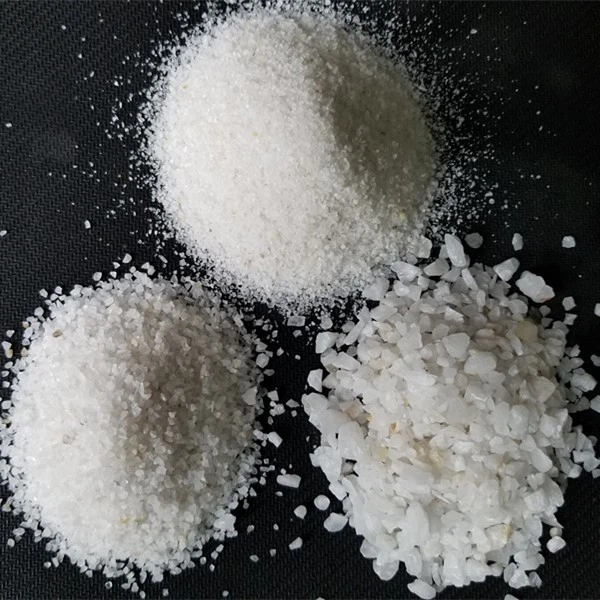
Silica sand, also known as quartz sand, white sand or industrial sand, is composed of two main elements: silica and oxygen. Specifically, silica sand is composed of silicon dioxide (SiO2).
The most common form of SiO2 is quartz - a chemically inert and relatively hard mineral. SiO2 has a hardness of 7 out of 10 on the Mohs scale, making it ideal for use as filter media and sandblasting.
Although quartz is usually white or colorless, it can come in a variety of shades. The color of each sand deposit depends largely on the types of minerals and rock fragments that make up the resource.
In order to be considered silica sand, the material must contain at least 95% SiO2 and less than 0.6% iron oxide. If the sand does not meet this standard, it will be considered what is commonly referred to as "normal" sand.
What is the difference between silica sand and ordinary sand?
Regular sand, also known as feldspathic sand, brown sand or construction sand, always contains some silica, but less than 95%. For example, a typical brown sand used in concrete applications may contain up to 80% SiO2, along with varying amounts of iron, carbonates, potassium, and other trace elements/minerals.
These "impurities" make regular sand more chemically reactive and often darker in color than silica sand. Non-silica sand (ordinary sand) can be found in various shades of white, pink, green and black, depending on the geological makeup and geographic location of the sand deposit.
What is silica sand used for?
Silica sand has many different industrial and commercial uses, from golf courses to glass manufacturing. Silica sand is a commercial and consumer product that is widely used throughout North America.
How silica sand is used depends on physical, chemical and mechanical properties such as particle size, shape, color, structure and distribution, as well as refractoriness, strength and stability. These properties can vary depending on how the mineral is processed after it is mined.
Here are seven common uses for silica sand:
1. Golf courses and sports fields
Silica sand is used in golf course bunkers and putting greens, as well as on natural and synthetic sports fields. When you play eighteen, those sand traps you find yourself constantly stuck in are usually filled with silica sand. Because of its ability to support drainage and natural plant growth, it can also be used to maintain greens and fairways. For turf fields, silica sand is used as the primary structural component of uncontaminated filter media.
2. Industrial abrasives
Silica sand is commonly used as a mineral abrasive in industrial sandblasting. Although sandblasting with silica sand creates hazardous dust, exposure can be easily avoided by following recommended PPE (personal protective equipment) guidelines and/or coating the sand with a solution designed to control dust.
3. Water filtration
One of the most common uses for silica sand is in water filtration, whether treating well water or filtering tap water. Due to its uniform shape and size, silica sand is an effective filter bed that continuously removes contaminants from water. Additionally, it does not degrade when exposed to acidic chemicals.
4. Glass manufacturing
Silica sand is a major ingredient in glass manufacturing production, and in fact, silica is a major component of standard glass products ranging from windows to beer bottles. The purity of the silica sand used determines the color, strength and clarity of the final product.
5. Paints and Coatings
Silica sand is used in paints and coatings to improve the overall appearance and durability of the paint. Silica fillers improve the lightness and stain resistance of paints, and due to the oil-absorbing properties of silica sand, it creates a durable coating that is rich in pigments and resistant to wear and tear.
6. Ceramics and refractory materials
Silica is an important component of the construction and glazes of all types of ceramics, including tableware, floor tiles, wall tiles, and more. Silica is the structural backbone of ceramic products, helping to regulate expansion and contraction, ensuring proper drying of ceramics, and increasing the overall durability of ceramic products.
7. Building materials
Silica sand (often called industrial sand when used for this purpose) is a major structural component of many construction products. Flooring, mortar, cement, shingles, asphalt and other industrial materials all use silica to increase durability and structural integrity. Silica is often used as a caulk or sealant because of its resistance to weathering, abrasion and corrosion.
Silica sand has a wide range of uses in daily life across multiple industries.
If you would like more information, or are interested in ordering silica sand, please contact Lvyuan today to request a quote.