


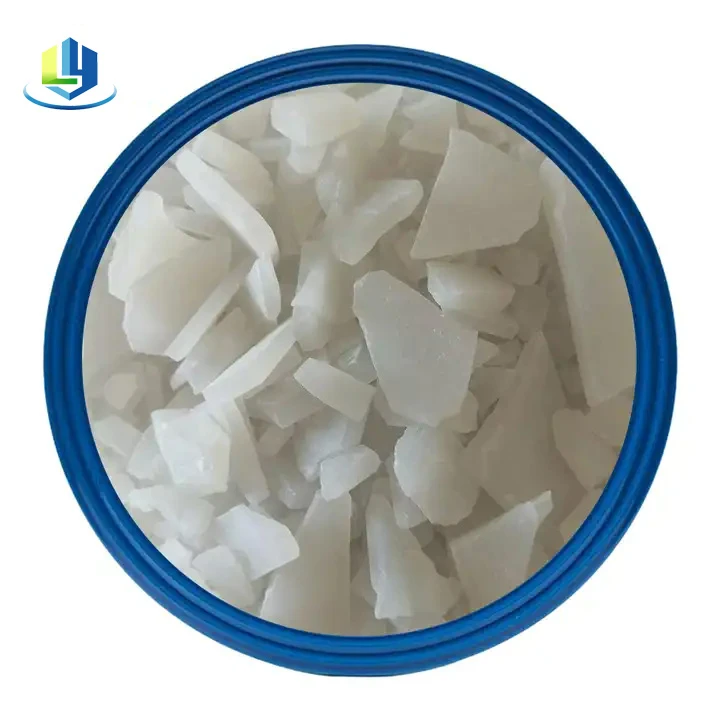
Aluminium sulfate, also known as alum, is often used in water treatment processes to improve the quality of water. When added to water, aluminium sulfate serves several essential functions:
Coagulation: Aluminium sulfate acts as a coagulant. It destabilizes suspended particles and impurities in the water, causing them to clump together or coagulate. This process makes the particles larger and heavier, facilitating their removal from the water.
Flocculation: After coagulation, aluminium sulfate promotes flocculation, where the coagulated particles form larger, settleable flocs. These flocs can be more easily separated from the water.
Precipitation: The coagulated and flocculated particles settle to the bottom of the treatment tank due to their increased size and weight. This precipitation of impurities results in clearer water.
Pathogen Removal: Aluminium sulfate can help in the removal of certain microorganisms, including bacteria and some viruses, by coagulating and removing them from the water.
Color Removal: In cases where water contains color-causing substances, aluminium sulfate can help reduce color by coagulating and removing the compounds responsible for the discoloration.
Turbidity Reduction: It is effective in reducing turbidity in water, which improves the clarity and visual appearance of the water.
Overall, aluminium sulfate is an important tool in the process of water treatment, aiding in the removal of suspended particles, impurities, and contaminants, ultimately making the water safer and more suitable for various applications, including drinking water and industrial processes.