


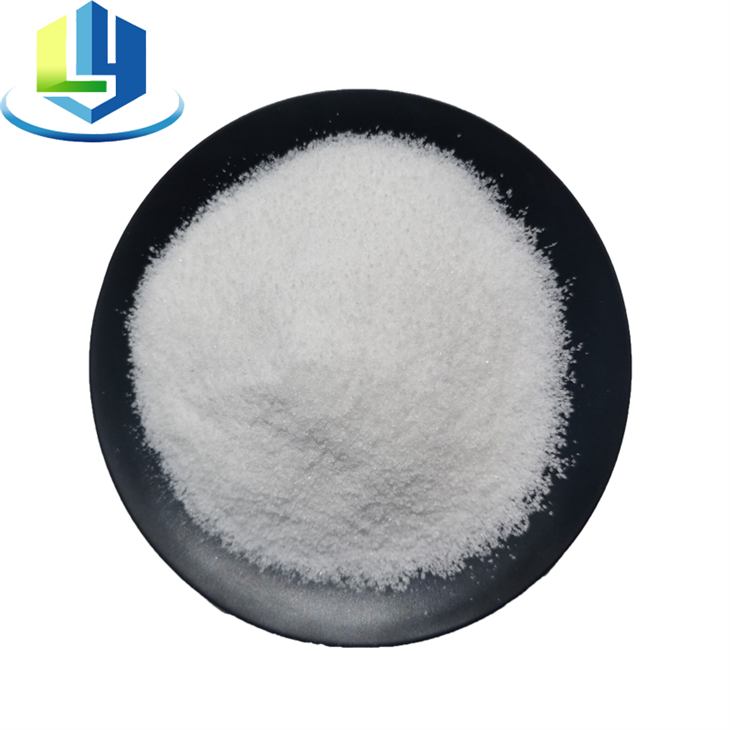


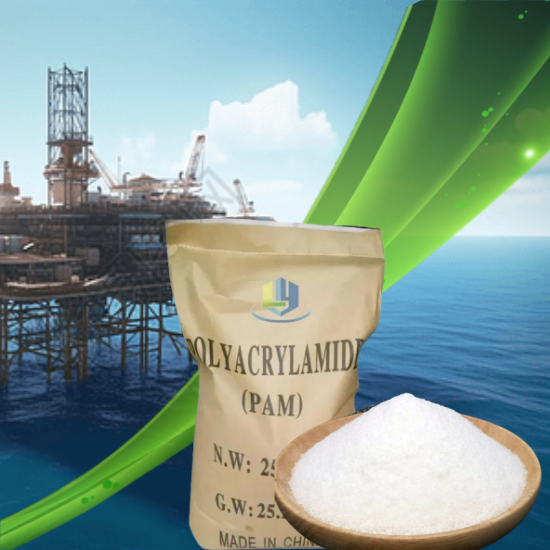
APAM Anionic Polyacrylamide Powder In Tertiary Oil Recovery
Place of Origin: Henan China
Brand Name: Lvyuan
Model Number: LY-APAM
Color: White
Packaging Details: 25kg/woven bag, or as orders.
Delivery Time: 3-5 working days
Payment Terms: L/C, T/T, Western Union, MoneyGram
Supply Ability: 10000+ton
Key Attributes
| Apperance | White particles | Solid Content | ≥ 88% |
|---|---|---|---|
|
Degree of hydrolysis |
Middle | Molecular weight (Million) | 10-18 |
| Insolubles | ≤0.8% | Dissolution rate | ≤ 60 |
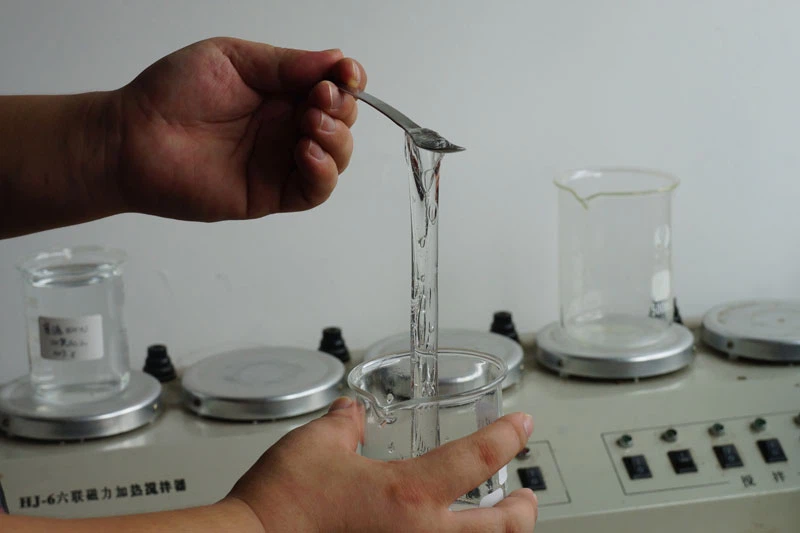
Anionic Polyacrylamide, is solid powder water-soluble polymer with varying molecular weight and charge density. It is most often used to increase the viscosity of water (creating a thicker solution) or to encourage flocculation of particles present in water and allow rapid settlement of finely suspended solids.
The use of chemical substances to improve the performance of oil, gas, water, and rocks to extract more oil, is called tertiary oil recovery. In the tertiary oil recovery method to improve oil recovery, the use of polyacrylamide as anoi-displacing agent occupies an important position. The product is used in the tertiary oil recovery stage to increase theoil displacement capacity and achieve the purpose of improving the oil bed recovery effect.
- Reducing the oil-to-water flow ratio can change the split flow curve. The oil saturation at the leading edge of polymer flooding and the oil saturation at breakthrough are significantly higher than that of water flooding, which shows that polymer flooding can reduce the water content of the produced fluid, increase the oil recovery rate, and have better displacement effects.
- By improving the mobility ratio of water flooding, polymer flooding can improve the viscous fingering phenomenon of water flooding in heterogeneous planes and improve the plane sweep efficiency; in vertical heterogeneous formations, polymer slugs first enter the high permeability The high-viscosity layer is used to "block" the high-permeability layer, allowing subsequent water flooding to divert into the low-permeability layer. The water absorption thickness is increased and the vertical sweep efficiency is expanded.
- When the polymer passes through the porous medium, it is retained due to adsorption, mechanical trapping, etc., changing the permeability of the pores where the polymer is located. The part of the adsorbed polymer molecular chain facing the fluid is hydrophilic, which can reduce the relative permeability of the water phase without reducing the relative permeability of the oil phase, that is, blocking water but not oil; at the same time, polymer retention can increase the resistance coefficient and residual resistance. coefficient, the seepage resistance increases, causing the driving pressure difference to increase, which is beneficial to driving the oil layer that has not flowed before, and increases the swept volume of the oil layer.

Advantages
- Economical to use - lower dosage levels.
- Easily soluble in water; dissolves rapidly.
- Non corrosive of suggested dosage, economical and effective at low levels.
- Can eliminate the use of alum & further ferric salts when used as primary coagulants.
- Reduction in sludge of dewatering process system.
Packaging
-25kg/woven bag, or as orders.

As a professional manufacturer, we are specializing in manufacturing and providing the reliable products for players in water treatment market all over the world for over 20 years. Lvyuan will support qualified products for our customers as always.


