


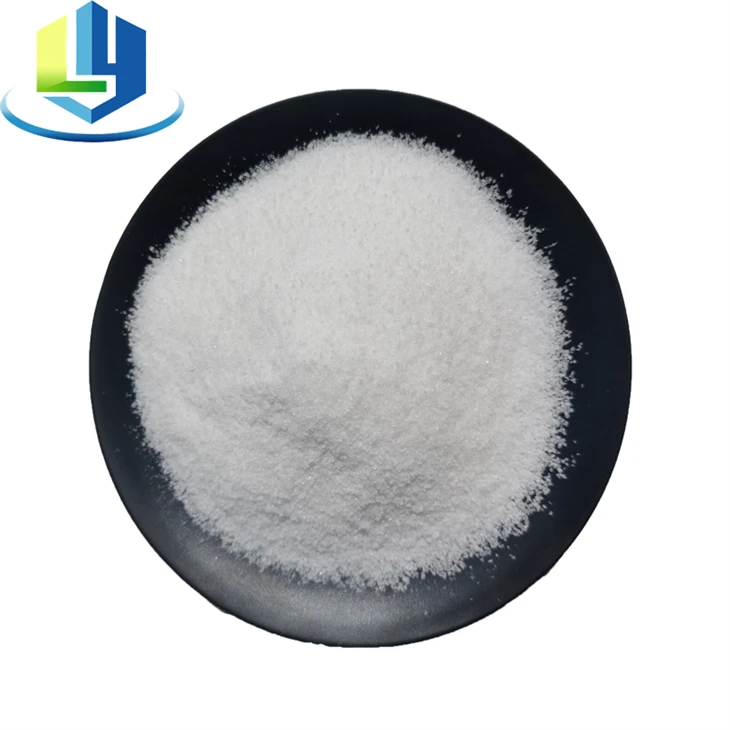
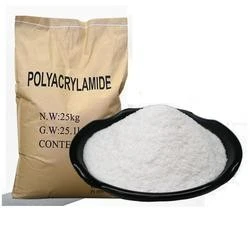
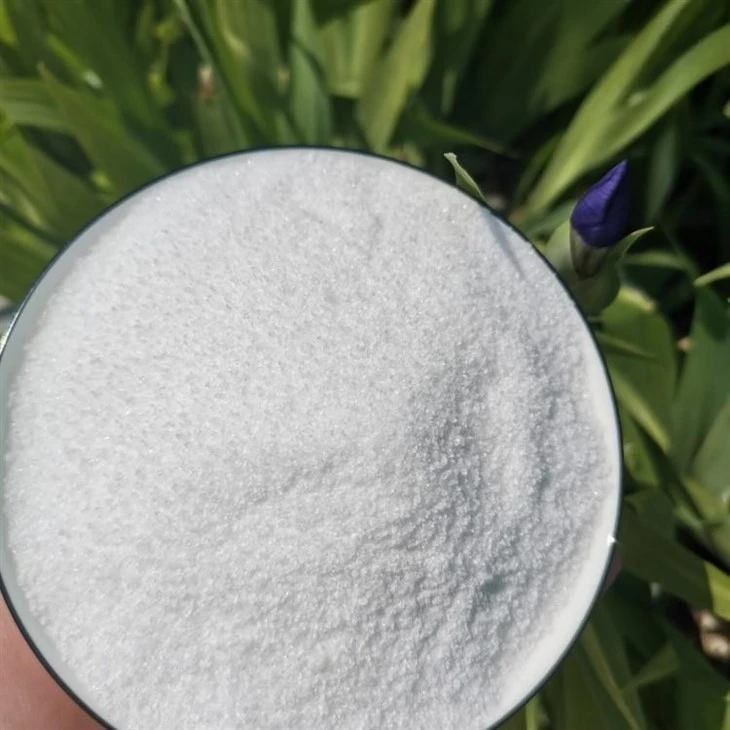
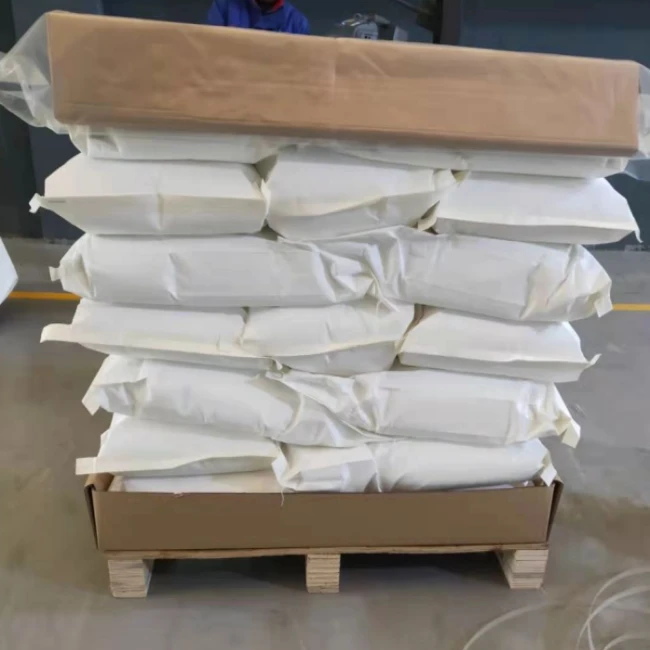
Anionic Cationic Powder Polyacrylamide PAM
The polyacrylamide is water -solution high polymer with good flocculanting activity can reduce the friction resistanca between liquid.
1.Flocculation: PAM can make the suspended material through electrical neutralization, play the role of flocculation.
2.Adhesiveness: The impurities can be bonded together to precipitate to the bottom.
3.Thickening Agent: In neutralizing acidic conditions have thickening effect, if the PH value is more than 10 PAM easy hydrolysis.
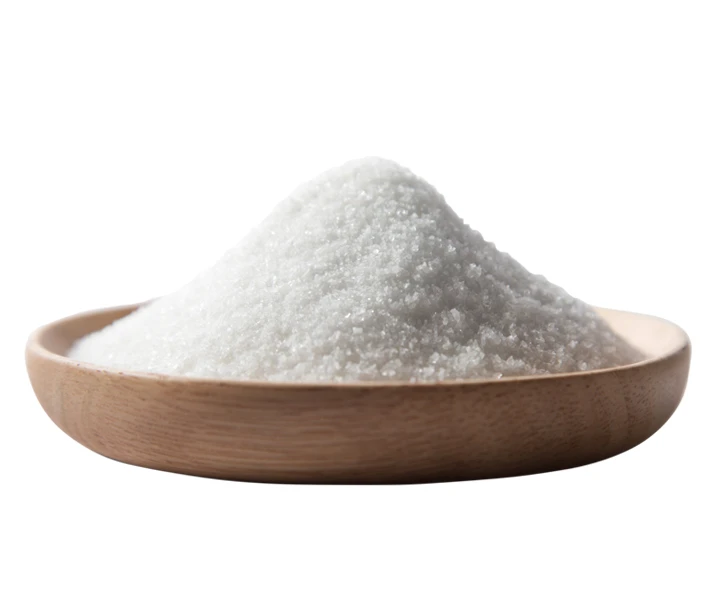
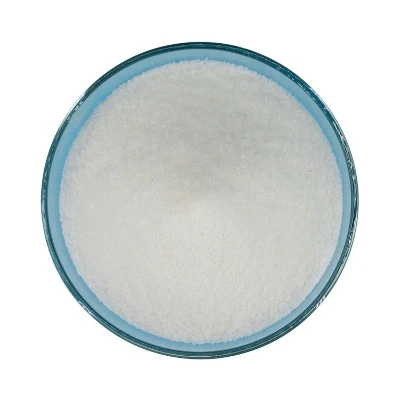
| Product Name | Molecular Weight | Ionic | Solid content | Residual monomer% | Appearance |
| APAM | 800-2000Million | 10-50% | ≥90 | 0.05-0.15 | White Granular/Powder |
| CPAM | 800-1200Million | 20-55% | ≥90 | 0.05 | White Granular/Powder |
| NPAM | 200-600Million | ≤3 | ≥90 | 0.05 | White Granular/Powder |
Among the organic polymer flocculants, anionic polyacrylamide (APAM) has a long history, mature technology and wide application, so it is also paid more attention. The advantages of anionic polyacrylamide are: the cost is much lower than cationic polyacrylamide and amphoteric polyacrylamide, the flocculation effect is good, and the process is mature.
In addition, due to the active amide group on the polymer chain, the anionic carboxyl group can physically and chemically react with a variety of substances, so that it has excellent surface activity in addition to polymer chain characteristics, and is widely used in papermaking, mineral processing, oil extraction, metallurgy, building materials, food processing, water treatment and other industries.
The synthesis methods of anionic polyacrylamide are as follows: homopolymerization after hydrolysis, homopolymerization, copolymerization, reverse-phase emulsion polymerization, precipitation polymerization, radiation polymerization and photopolymerization.
Application in water treatment:
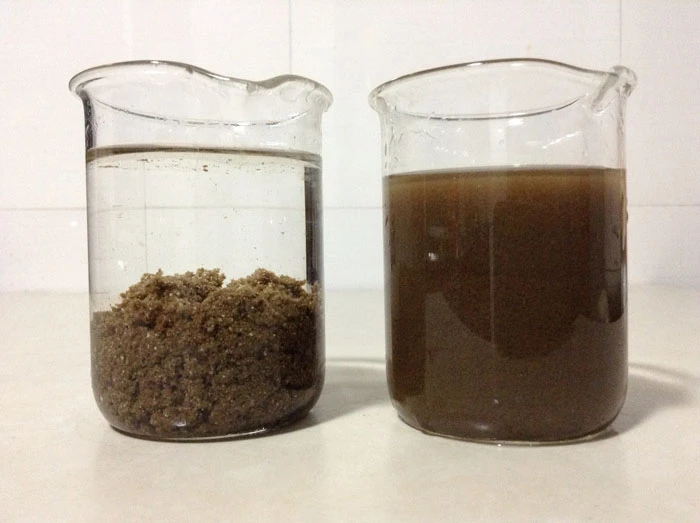
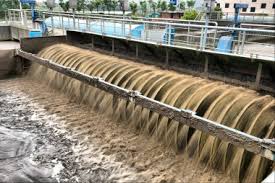
APAM is commonly used in water treatment processes as a flocculant, which helps to remove suspended solids and other impurities from water. It works by forming a bridge between particles in the water, causing them to clump together and settle out of the water.

(1)Adsorbed pollutant
Polyacrylamide has strong adsorption capacity. It can adsorb pollutants to its surface, thus purifying water quality. The adsorption speed of APAM is fast and the effect is remarkable. Especially for sewage rich in heavy metals, the adsorption capacity of APAM is more obvious.
(2)Catalytic oxidation reaction
In addition to adsorbing pollutants, polyacrylamide can catalyze oxidation reactions. By adding APAM, the oxidation reaction in water can be accelerated, thereby reducing chemical oxygen demand and biochemical oxygen demand. This helps improve the cleanliness of the water and prevents the water body from being polluted by pollutants rich in organic waste.
(3)Coagulation
Polyacrylamide can also play a coagulation role. When APAM is added to water, it binds to the sediment in the water and settles, thus cleaning the body of water. For some water bodies containing suspended particles and organic matter, the coagulation effect of APAM is particularly obvious.
(4)Bacteriostatic action
In addition to the above functions, polyacrylamide also has an important role in water treatment known as antibacterial action. PAM can inhibit the reproduction of bacteria and viruses in the water. This helps to prevent the water from being contaminated by bacteria and viruses and ensure the safety of water quality.
(5)Dustproof action
Polyacrylamide also has a unique role, that is, the dustproof effect. In some production sites, with the help of PAM, industrial wastewater can be purified to avoid soil and vegetation being polluted by sewage. This function has a great role in protecting the ecological environment.
Application in papermaking:
APAM is also used in the papermaking process .The main application of polyacrylamide in the paper industry has two aspects: one is to improve the retention rate of additives, pigments, etc., in order to reduce the loss of raw materials and environmental pollution; The second is to improve the strength of the paper.

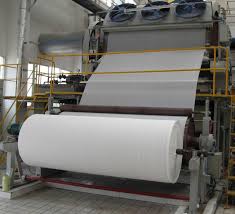
(1)Improve the retention of raw materials
After APAM is added to the screen front box or impeller pump of paper making, the pigment, filler and fiber are deposited and their loss in white water is reduced through the flocculation of APAM. For example, after adding 0.25%-0.5% APAM to the pulp, the settling speed of the paper is increased by 20-80 times. The solid content of white water is reduced by about 66%, the gray scale of paper is increased, and the retention rate of white water and other fillers is increased by 8%-18%. The retention rate of the filler can be increased from the original 50%-60% to 80%-90%.
(2)Improve dry strength and wet strength of paper
Polyacrylamide can be used as a dry strength additive for paper and paper card. When APAM is added to paper, the tensile strength, folding resistance, breaking resistance and other dry strength properties are improved. In addition, the use of APAM can also improve tear, porosity, modified vision and printing performance.
(3)Increase the stability of the paper slurry
APAM can play a greater stabilizing effect on natural latex than polyvinyl alcohol, so it is a good thickening agent for latex. When APAM is added to 60% latex for two weeks, the viscosity can be increased by 1.5-2.0 times.
(4)Pigment binder for paper coating
PAM and starch were mixed in a ratio of 1∶2 to be used as a good binder in paper coating
(5)Paper finishing agent
The reaction of PAM and dialdehyde can obtain water insolubility, and this property can be used in the coating of paper.
Due to the different purpose of PAM used in the paper industry, the requirements for the relative molecular weight and carboxyl group content (degree of hydrolysis) of the polymer are also different. So the APAM have a widely use in papermaking process.
Application in agriculture:
In addition to its papermaking applications, APAM has also been used in agriculture as a soil conditioner and as a means of reducing soil erosion. It can not only heat preservation, water retention, but also improve the soil structure, so that its status in agriculture is gradually rising.


(1)The first thing to say is the insulation function of polyacrylamide. After the use of the agent in agriculture, it can buffer the rise and fall of soil temperature. After the application of polyacrylamide in soil, the water absorbed by the soil can regulate the night temperature by insisting on the heat energy generated by the daytime light, which reduces the temperature difference between day and night.
(2)Secondly, let's look at the water retention function of polyacrylamide. When polyacrylamide is used in agriculture, it can effectively restrain water transpiration after flocculation, which can not only promote the full water content of soil, but also effectively reduce the full water conductivity of soil. In this way, it can slow down the speed of water release from the soil, so that the soil moisture is soaked and oozed and lost, and the function of water retention is reached.
(3)Finally, polyacrylamide is used in agriculture, and has the effect of maintaining fertilizer and improving soil structure. Polyacrylamide has the effect of absorbing and retaining water content, which can dissolve fertilizer in water and reduce the leaching loss of soluble nutrients.
Application in oil field:
In general, APAM is more commonly used in the oil field due to its effectiveness as a flocculant and its ability to improve the rheological properties of drilling fluids. However, CPAM can also be effective in certain applications and may be preferred in some cases. The choice of which type of polyacrylamide to use depends on the specific needs and conditions of the oil field operation.


Anion polyacrylamide flooding mechanism:
(1)Anionic polyacrylamide has high water solubility and high molecular chain viscosity, which can improve the mobility ratio of displacement fluid, improve displacement efficiency and swept volume, and improve oil recovery.
(2)Anionic polyacrylamide polymer solution improves the viscoelasticity of oil and water, making oil droplets or oil film easy to deform, which can improve the microscopic oil displacement effect and improve the efficiency of oil recovery through various pores.
(3)Anionic polyacrylamide can reduce the oil flow ratio of oil reservoir, change the flow distribution curve, reduce the water content of oil production, and improve the oil recovery speed.
(4)Anionic polyacrylamide APAM improves the viscous pointing phenomenon of water flooding in heterogeneous horizontal plane and improves the sweep efficiency in the plane range. In the vertical direction, using the high viscosity of anionic polyacrylamide, the subsequent water flooding from the high permeability layer into the low permeability layer, increasing the water absorption thickness and expanding the vertical sweep efficiency.
(5)Anionic polyacrylamide molecular chain has hydrophilic properties. When APAM polymer passes through the porous medium, its adsorption and mechanical trapping effect can be used to change the void permeability, but it has little effect on the oil phase permeability and does not block water.


