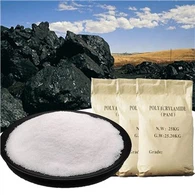
CPAM NPAM APAM Polyacrylamide For Water

The addition of polyacrylamide to water creates large, sticky molecules that attract and bind together suspended particles such as clay, silt, and other organic matter, causing them to form larger clusters, or flocs. These flocs then settle to the bottom of the water or float to the top, where they can be more easily removed from the water by sedimentation or flotation.
However, it's important to note that the use of polyacrylamide in water treatment can have environmental implications. Polyacrylamide is not biodegradable and can persist in the environment for extended periods. Therefore, it's crucial to properly handle and dispose of it to prevent any potential harm to the environment.

CPAM NPAM APAM Polyacrylamide For Water

CPAM NPAM APAM Polyacrylamide For Water

Henan Lvyuan Water Treatment Technology Co.,Ltd. specializes in exporting polyacrylamide,a water treatment product,and has peofessional technicians.We can recommend corresponding product models to you according to the water treatment industry.