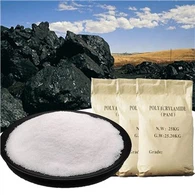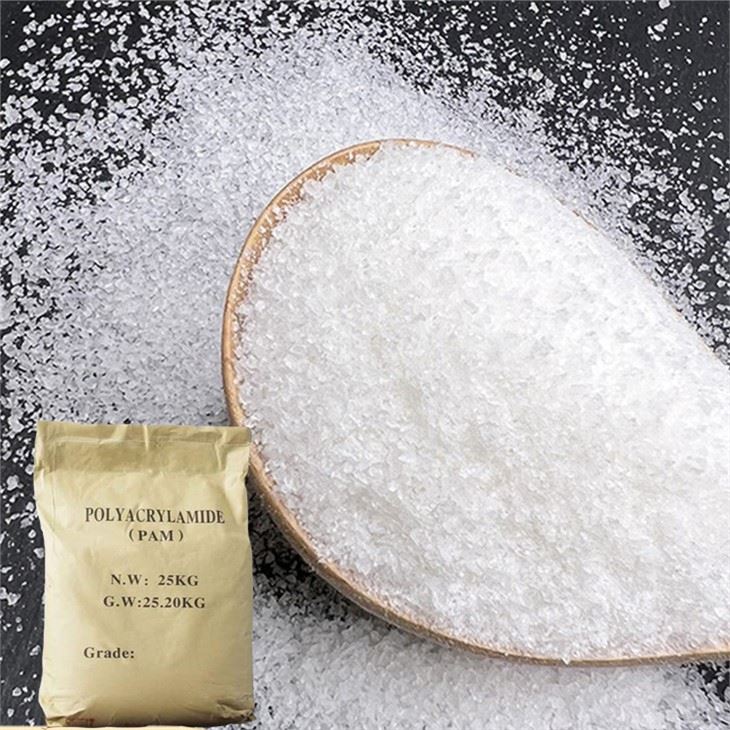
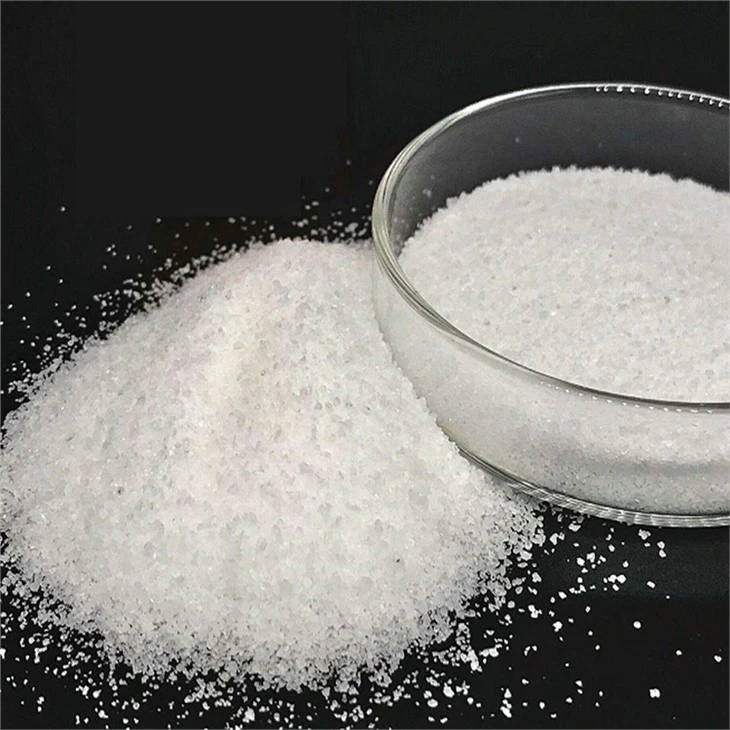
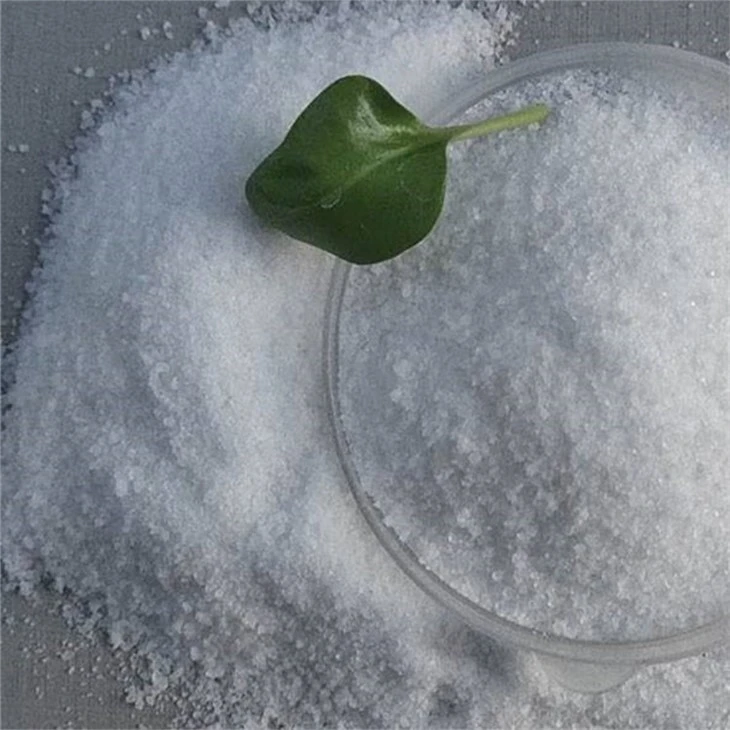
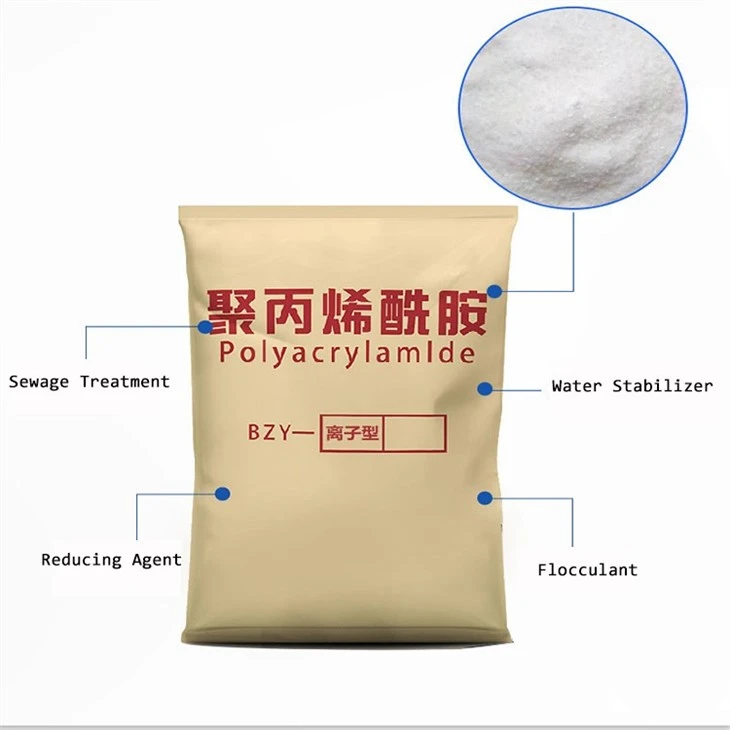
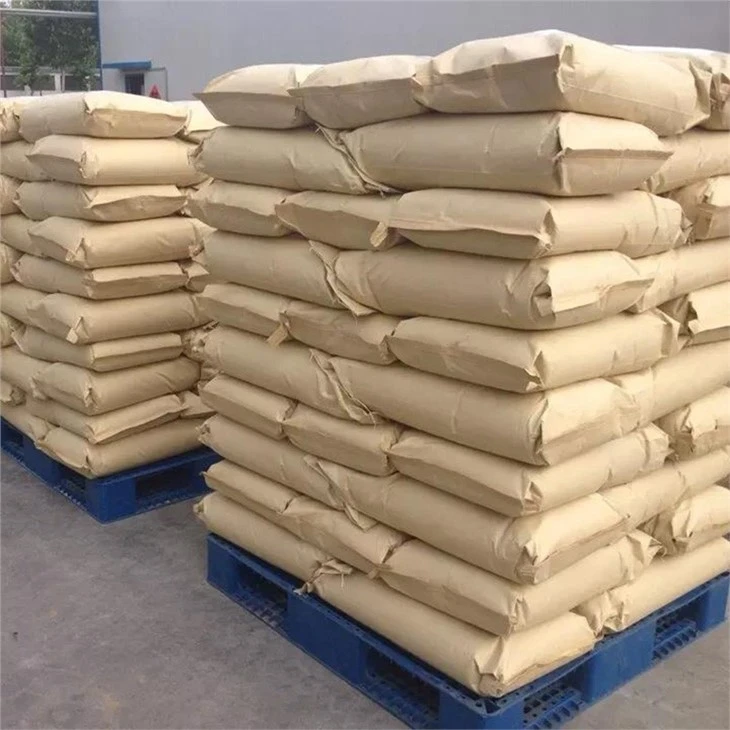
Manufacturing Plant Linear Hydrolyzed Nonionnic Polyacrylamide
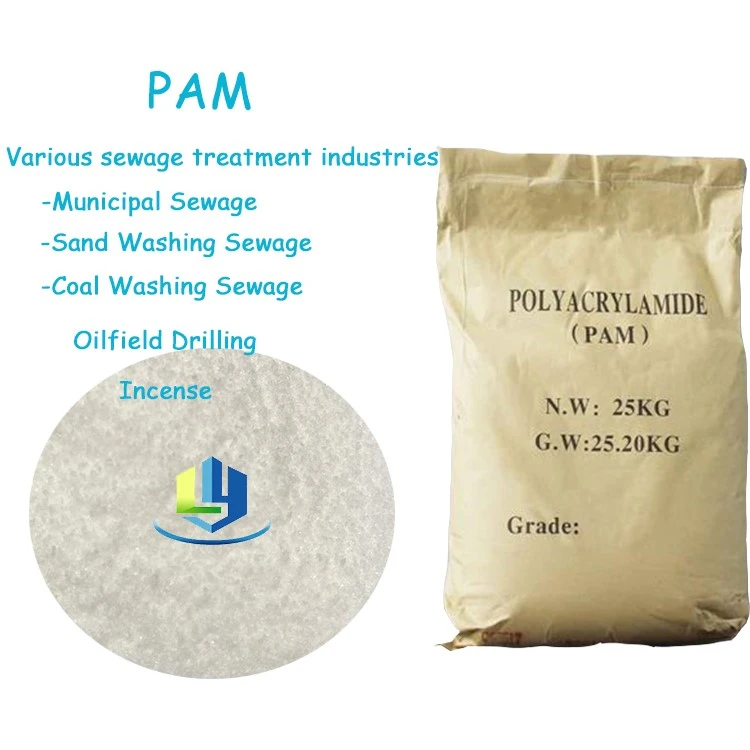
Linear Hydrolyzed Nonionic Polyacrylamide (PAM) is a type of water-soluble polymer that is widely used in a variety of industrial applications. It is made up of repeating units of acrylamide and is typically produced in either an anionic or cationic form. In its nonionic form, PAM does not carry any electrical charge, making it useful in applications where charge interference is a concern.
The hydrolyzed version of nonionic PAM has undergone a process that breaks down the polymer chains and increases its water solubility. This makes it even more effective in water treatment applications such as sedimentation, clarification, and flocculation. The hydrolyzed form also exhibits better performance in high salinity and high-temperature environments.
Manufacturing Plant Linear Hydrolyzed Nonionnic Polyacrylamide Application
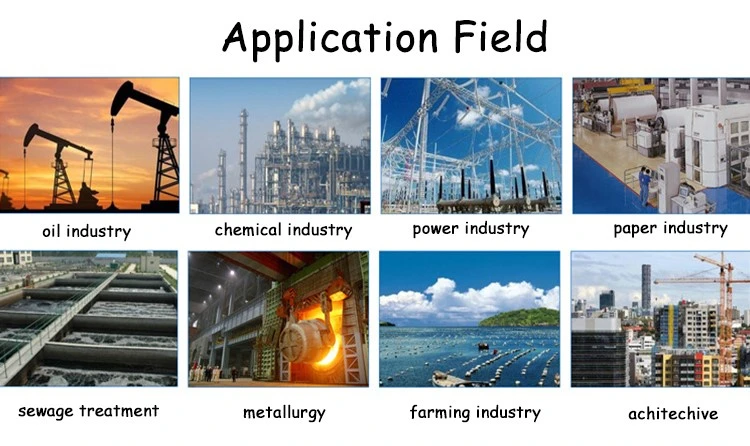
Some common applications of linear hydrolyzed nonionic PAM include:
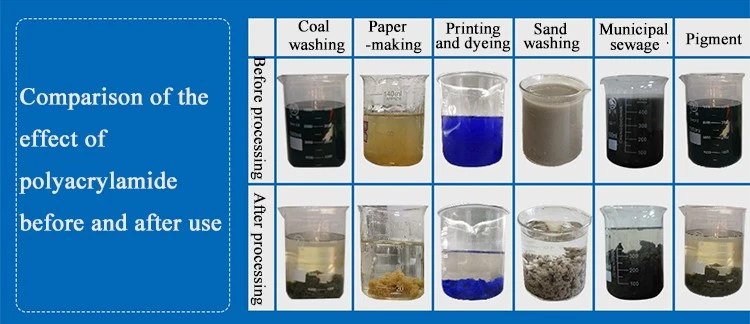
Water treatment: PAM is commonly used in municipal and industrial wastewater treatment processes to aid in the removal of suspended solids and organic matter.
Enhanced oil recovery: PAM can be used to increase oil recovery in oil fields by improving the efficiency of water flooding processes.
Papermaking: PAM is used as a retention and drainage aid in the papermaking process to improve paper quality and reduce fiber loss.
Agriculture: PAM can be used to reduce soil erosion, improve water infiltration, and increase crop yield.
Overall, linear hydrolyzed nonionic PAM is a versatile and effective water-soluble polymer that finds use in a wide range of applications.
Manufacturing Plant Linear Hydrolyzed Nonionnic Polyacrylamide Test Result
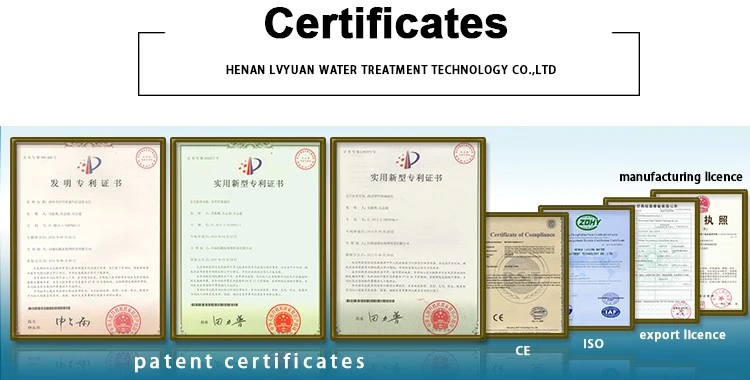
Manufacturing Plant Linear Hydrolyzed Nonionnic Polyacrylamide Certificate