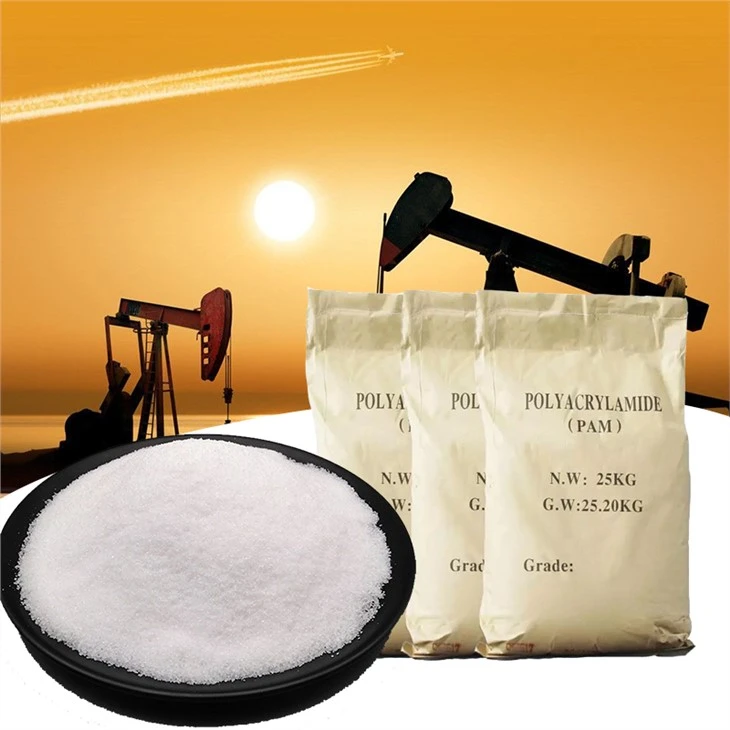
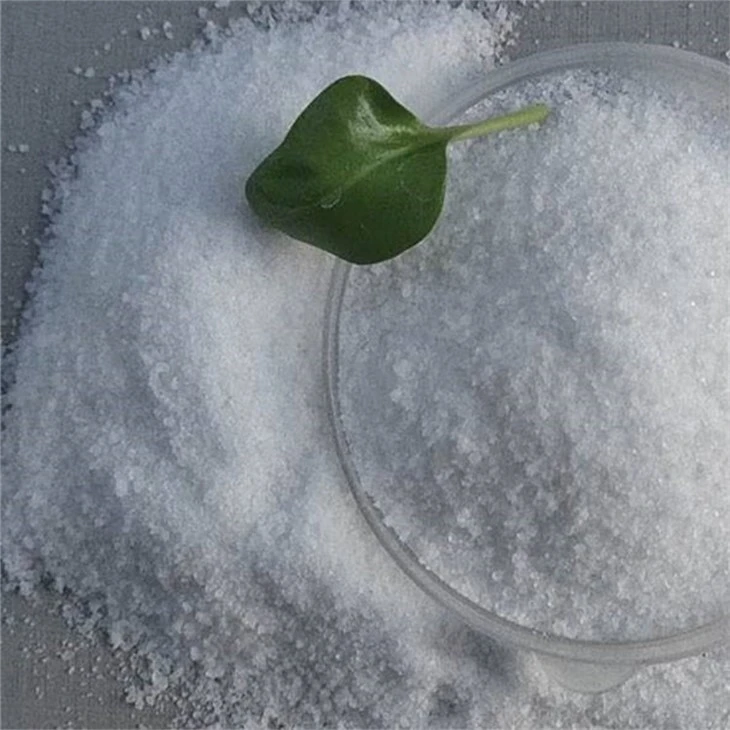
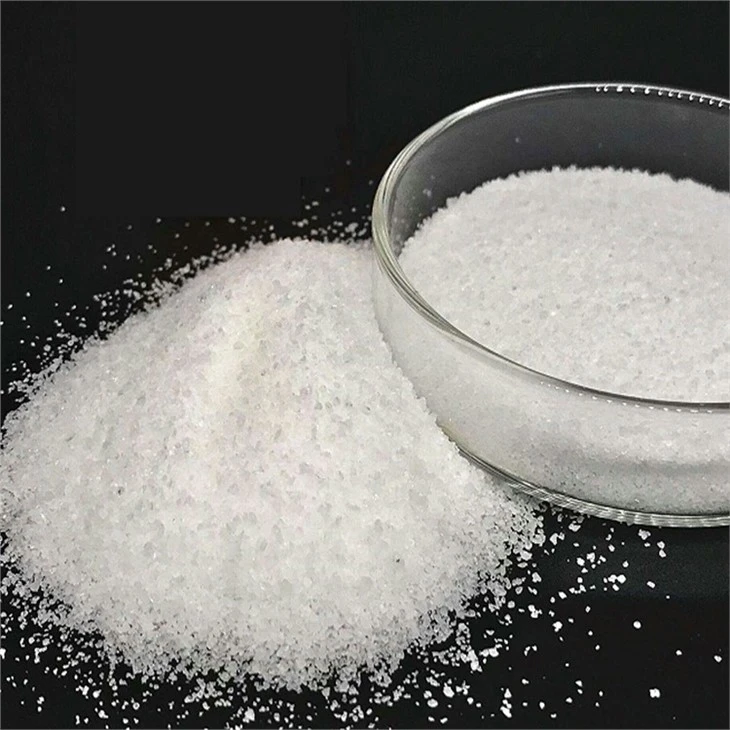
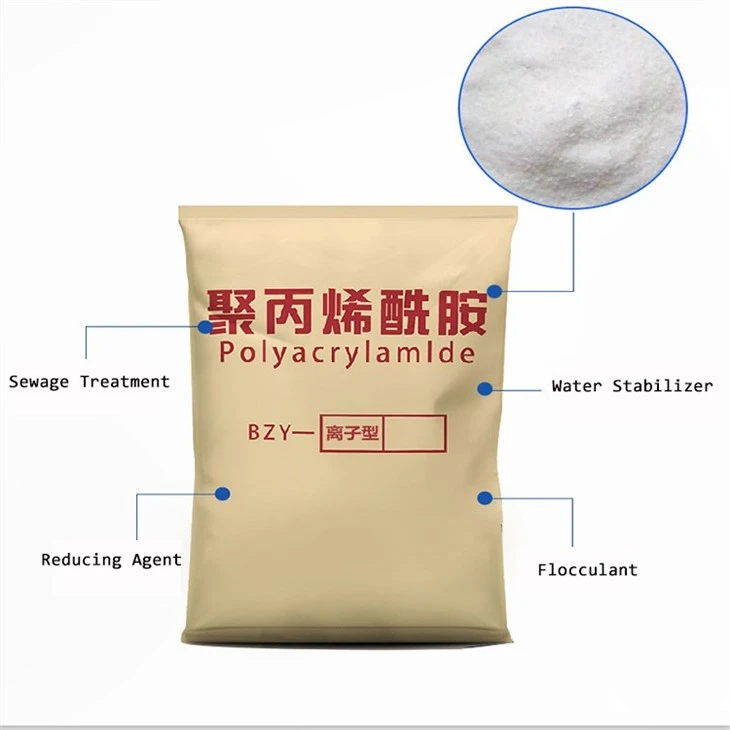
White Granule Anionic Polyacrylamide For Textile Agent
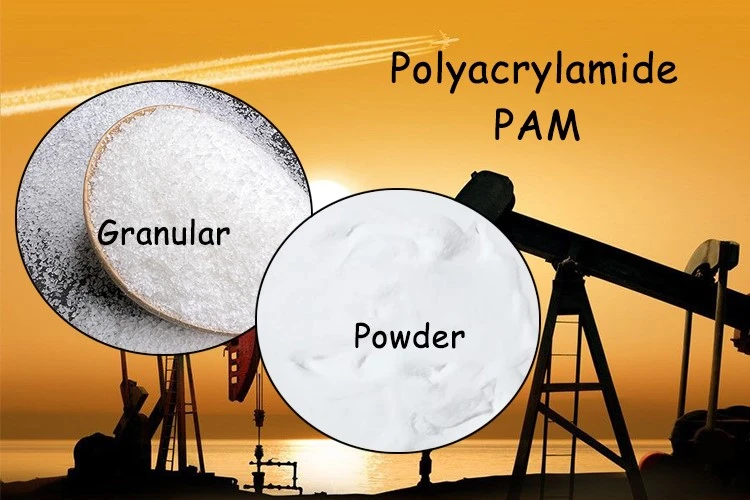
Anionic Polyacrylamide (APAM) is a type of water-soluble polymer that is commonly used as a flocculant in water treatment, papermaking, mining, and other industrial processes. It is also used as a textile agent to improve the quality and appearance of textile products.
The white granule form of APAM is often used in the textile industry due to its high molecular weight and strong flocculation ability. It can help to improve the clarity and color of textile wastewater, as well as enhance the dyeing and finishing processes. Additionally, APAM can improve the strength and softness of fabrics, reduce fiber shedding, and enhance the fabric's resistance to creasing and shrinkage.
When using APAM as a textile agent, it is important to follow the manufacturer's instructions carefully and ensure that the correct dosage is used. Overdosing can lead to excessive flocculation, which can cause clogging and other issues. Conversely, underdosing may not achieve the desired results.
White Granule Anionic Polyacrylamide For Textile Agent Application
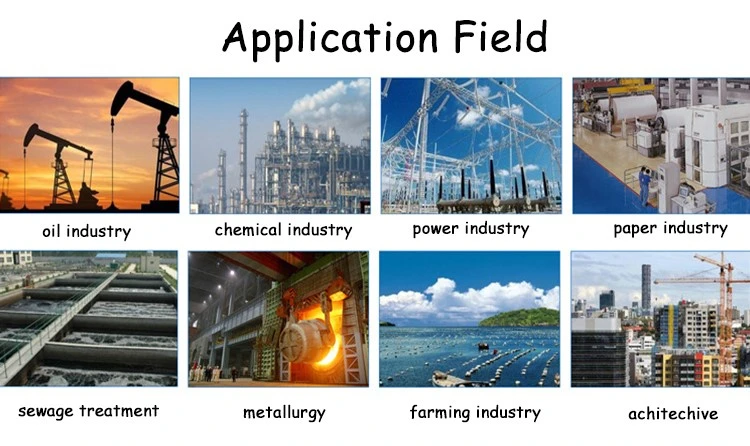
Anionic polyacrylamide (APAM) is a synthetic polymer that has a wide range of industrial applications, including in the textile industry as a textile agent. APAM is a water-soluble polymer with a long-chain molecular structure that makes it an effective flocculant, which means it can help to coagulate and settle suspended particles in water.
When used in the textile industry, APAM can be added to the dye bath during the textile dyeing process to improve the efficiency of the dyeing process and to achieve more uniform and vibrant colors. APAM can also be used as a sizing agent, which is a substance that is applied to textile fibers to improve their strength and durability.
White Granule Anionic Polyacrylamide For Textile Agent Certificate
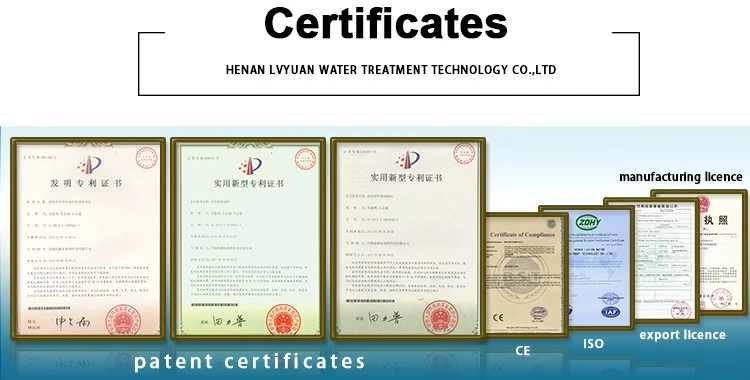
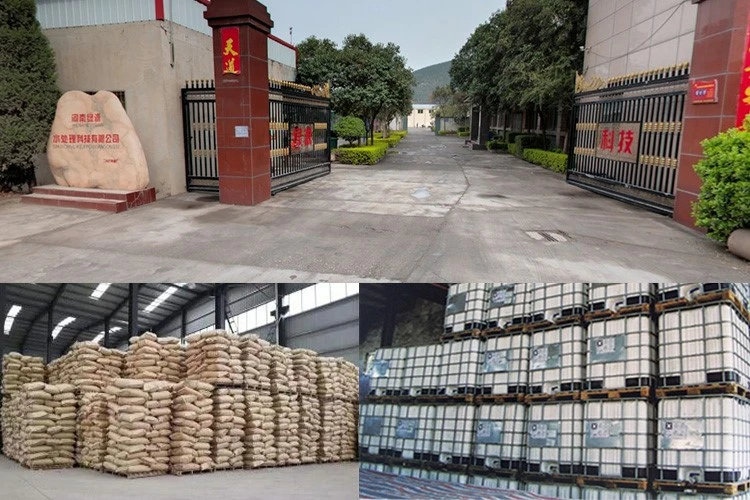
White Granule Anionic Polyacrylamide For Textile Agent Factory