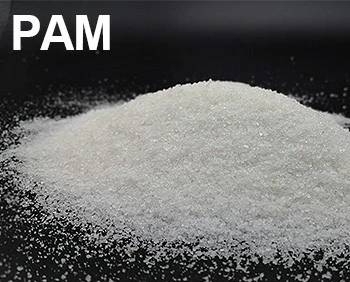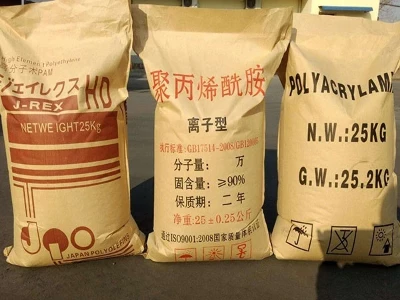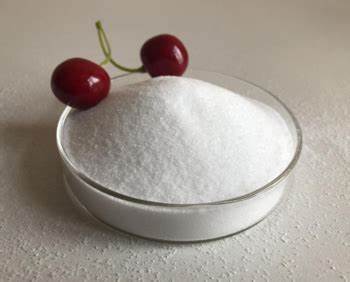
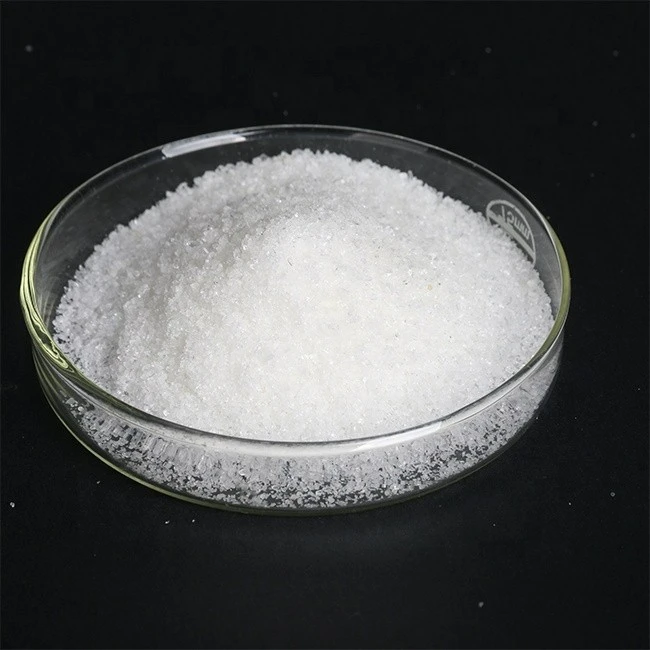
Oil Well Fluid Additive Drilling Mud Chemical Suppliers Anionic Dry Powder Quality Pam Polyacrylamide Flocculants
polyacrylamide (abbreviated PAM or PAAM), with the formula -[CH2CH]nCONH2-, is a polymer formed from the polymerization of acrylamide monomers. As a lubricant, suspension agent, clay stabilizer, oil displacement agent, water loss reducer and thickening agent, polyacrylamide has been widely used in drilling, acidification, fracturing, water plugging, cementing, secondary and tertiary oil recovery, and is a very important oilfield chemical.
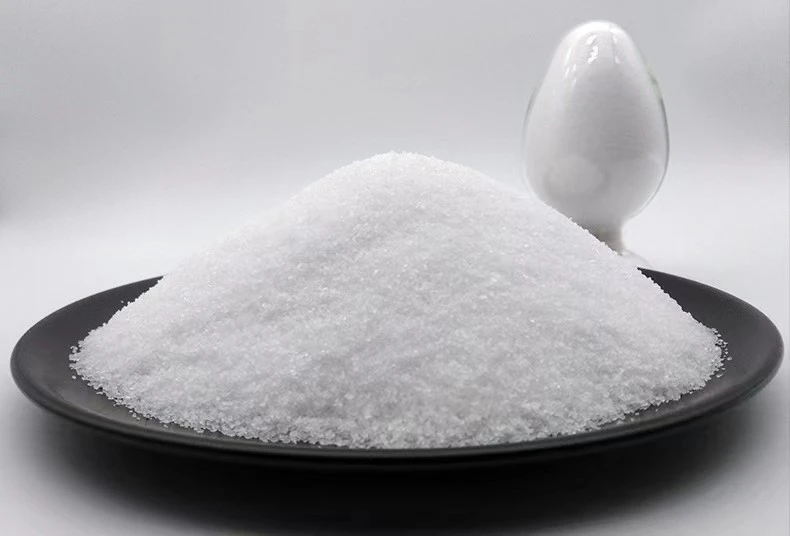
Polyacrylamides are classified as non-ionic (NPAM), cationic (CPAM), anionic (APAM) and Amphionic (Amphionic PAM).
The anionic polyacrylamide is often used as a soil amendment for cultivated land and as a site erosion control agent. Ionic substances such as salt cause the polyacrylamide to release its absorbent substance.
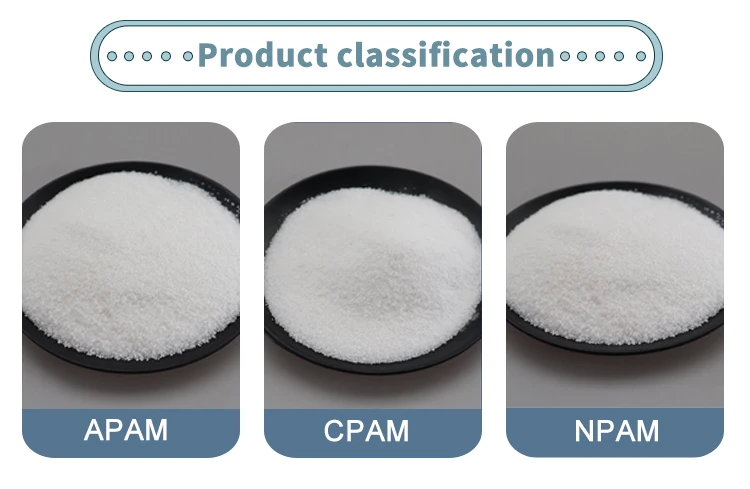
| Product Name | Molecular Weight |
lonic |
Solid content | Residual monomer% | Appearance | ||
| APAM | 800-2000Million |
10-50% |
≥90% |
|
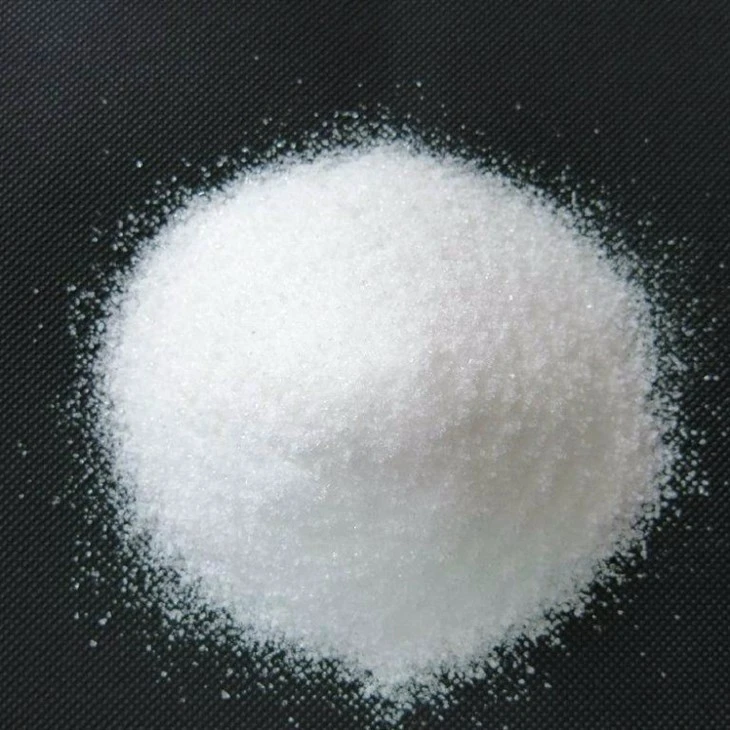
White Granular/Powder | ||
| CPAM | 800-1200Million | 20-55% | ≥90% |
|
White Granular/Powder | ||
|
NPAM |
200-600Million | ≤3 | ≥90% |
|
White Granular/Powder |
Among the organic polymer flocculants, anionic polyacrylamide (APAM) has a long history, mature technology and wide application, so it is also paid more attention. The advantages of anionic polyacrylamide are: the cost is much lower than cationic polyacrylamide and amphoteric polyacrylamide, the flocculation effect is good, and the process is mature.
| Place of Use | Type | Molecular Weight | Ratio | Dosage |
| circulating water treatment, sewage desliming | APAM | 1200 | 5% | 5-7g/T |
| Waste water recycling | APAM | 1500-1800 | 3% | 2-3g/T |
| Urban water treatment | APAM | 800-1200 | 5% | 4000g/T |
| Coal washery | APAM | 800-1200 | 3% | 4g/T |
| Meat processing sewage treatment | CPAM | 1000 | 3% | 3-4g/T |
| Oil drilling | APAM | 1200-1500 | 5% | 1200g/T |
Flocculation effect of PAM products in wastewater treatment
According to the properties of suspended matter, concentration and flocculation performance of polyacrylamide, precipitation can be divided into: natural precipitation, flocculation precipitation, regional precipitation. The concentration of suspended particles in regional precipitation is higher (more than 5000mg/L), and the settlement of particles is affected by other surrounding particles, and the relative positions of particles remain unchanged, forming a whole common sinking, and there is a clear mud-water interface between them and the clarified water. Regional sedimentation occurred in both secondary sedimentation tank and sludge thickening tank.

Polyacrylamide application:
1. Polyacrylamide is a homopolymer of acrylamide or a polymer copolymerized with other monomers, and polyacrylamide (PAM) is one of the most widely used varieties of water-soluble polymers.
2. Polyacrylamide is widely used in oil exploitation, paper making, water treatment, textile, medicine, agriculture and other industries. According to statistics, 37% of the world's total production of polyacrylamide (PAM) is used for wastewater treatment, 27% for the petroleum industry, and 18% for the paper industry.
3. Polyacrylamide has good thermal stability, easy to dissolve in cold water, the viscosity and concentration of its aqueous solution are approximately logarithmic (that is, linear relationship), high relative molecular weight and ultra-high relative molecular weight (greater than 2000×10) polyacrylamide (PAM) has a high viscosity, and its aqueous solution has a good tolerance for electrolyte.
Principle of action of polyacrylamide:
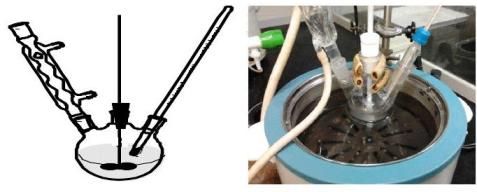
1. Polyacrylamide molecular chain is very long, so that it can bridge between two particles, accelerate the settlement of particles, is a good flocculant. Polyacrylamide and its derivatives are manufactured by free radical polymerization of acrylamide. According to the dispersion state of the monomer in the medium, the polymerization methods can be divided into bulk polymerization, solution polymerization, suspension polymerization and emulsion polymerization.
2. According to the dissolution state of monomer and polymer, it can be divided into homogeneous polymerization and heterogeneous polymerization. Polyacrylamide products are available in three dosage forms: aqueous colloid, powder and emulsion. Polyacrylamide is polymerized from acrylamide, and its molecular main chain has a large number of side groups - amide groups, which have high chemical activity and can react with a variety of compounds to produce many polyacrylamide derivatives.
3. The amide group can form a strong hydrogen bond with a variety of specific compounds, so it not only has flocculation, thickening, surface activity and other properties, but also can be converted into a polymer containing carboxyl group through its amide hydrolysis, becoming anionic polyacrylamide, polyacrylamide and formaldehyde reaction to generate hydroxymethylated polyacrylamide, is an important cross-linked monomer.
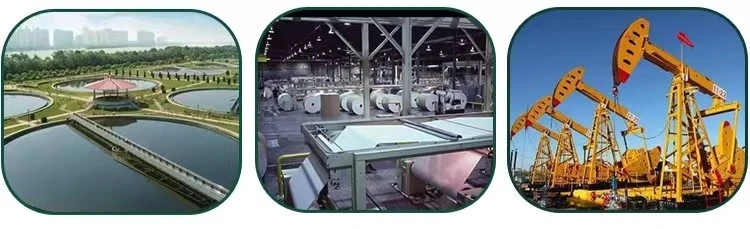
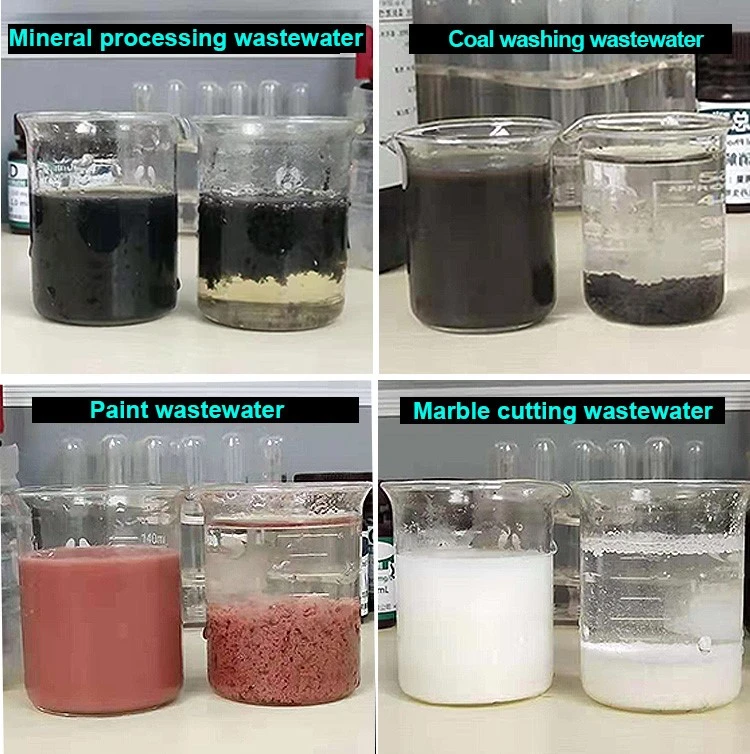
Cationic polyacrylamide (CPAM) is mainly used in industrial solid-liquid separation process, including sedimentation, clarification, concentration and sludge dehydration and other processes, the main application industries are: urban sewage treatment, paper industry, food processing industry, petrochemical industry, metallurgy industry, mineral processing industry, dyeing industry and sugar industry and various industrial wastewater treatment. Polyacrylamide (CPAM) is used in sludge precipitation and sludge dewatering of municipal sewage, meat, poultry and food processing wastewater treatment.
Anionic polyacrylamide (APAM) is a water-soluble polymer, mainly used in various industrial wastewater flocculation settlement, precipitation and clarification treatment, such as steel mill wastewater, electroplating plant wastewater, metallurgical wastewater, coal washing wastewater and other sewage treatment, sludge dehydration. Can also be used for drinking water clarification and purification treatment.
Nonionic polyacrylamide is a water-soluble polymer or polyelectrolyte. Because its molecular chain contains a certain number of polar groups, it can adsorb the solid particles suspended in water, bridge the particles or condense the particles through charge neutralization to form large flocculates. Therefore, it can accelerate the settlement of particles in the suspension, has a very obvious acceleration of solution clarification, promote filtration and other effects. It is mainly used for flocculation, sedimentation and clarification of various industrial wastewater. Such as paper and pulp wastewater treatment, mineral processing and metal smelting process wastewater treatment, steel plant and stone processing plant wastewater treatment.