



Positively Charged Polyacrylamide (PAM) Polymer for Water Treatment

Polyacrylamide (PAM) is a synthetic polymer that is widely used in the field of water treatment. When PAM is positively charged, it is known as cationic polyacrylamide (CPAM). CPAM is particularly useful in water treatment applications because of its ability to remove suspended solids, turbidity, and other impurities from water.
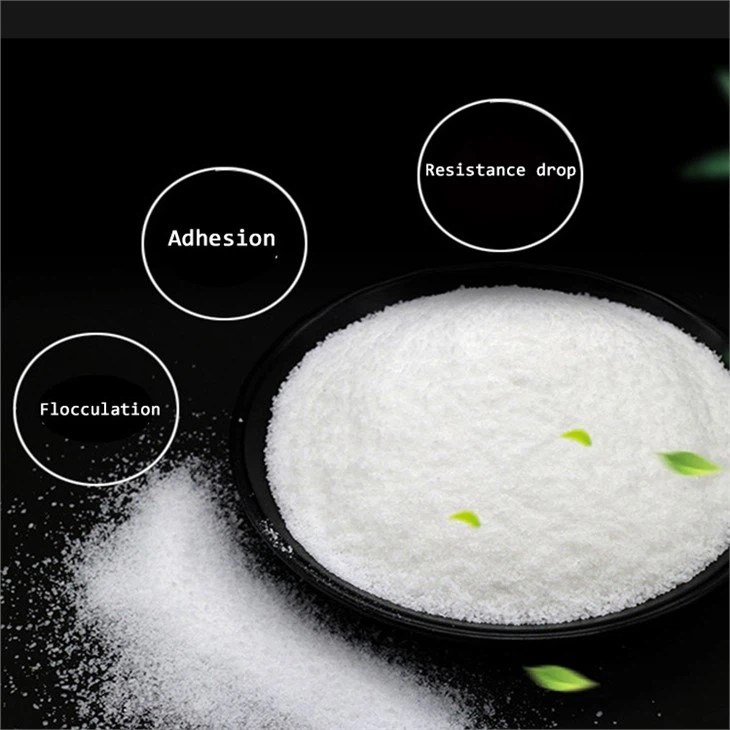
CPAM works by attracting negatively charged particles in water, such as organic matter, bacteria, and algae, and forming large clumps that can be easily removed through physical processes like sedimentation or filtration. CPAM is also effective in reducing the amount of dissolved pollutants in water, such as heavy metals and phosphates, through a process known as coagulation and flocculation.
Positively Charged Polyacrylamide (PAM) Polymer for Water Treatment Application

Polyacrylamide (PAM) is a synthetic polymer that can be positively or negatively charged depending on the manufacturing process. The positively charged form of PAM is often referred to as cationic polyacrylamide.
In the water treatment field, cationic polyacrylamide is commonly used as a coagulant aid to improve the efficiency of the coagulation process. Coagulation is a crucial step in water treatment that involves the addition of chemicals to destabilize particles and form larger aggregates, which can then be removed by sedimentation or filtration.
Cationic polyacrylamide can enhance coagulation by increasing the size and density of the flocs formed during the process, leading to better settling and improved removal of impurities. It can also reduce the amount of coagulant required and lower the overall cost of water treatment.
In addition to its use in water treatment, cationic polyacrylamide has applications in other fields such as wastewater treatment, papermaking, and oil and gas production. It is important to note, however, that the use of polyacrylamide, particularly the cationic form, can have negative environmental impacts if not properly managed. Therefore, it is essential to follow best practices and regulations when using this polymer.
Positively Charged Polyacrylamide (PAM) Polymer for Water Treatment Use


