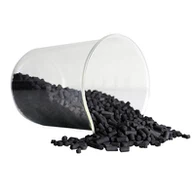
1.developed pore structure;
2.large specific surface area;
3.high wear resistance ;
4.fast adsorption speed;
5.large adsorption capacity;
6.easy desorption;
7.can be recycled repeatedly.

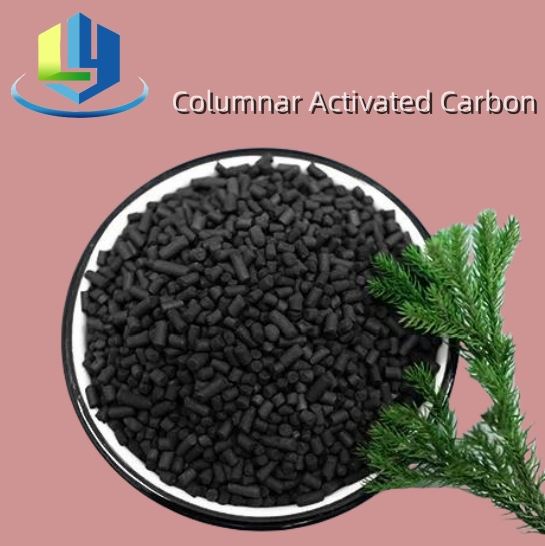
Factory Direct Supply Drinking Water Treatment High Quality Coconut Shell Based 4mm Cylindrical Activated Carbon Pellets
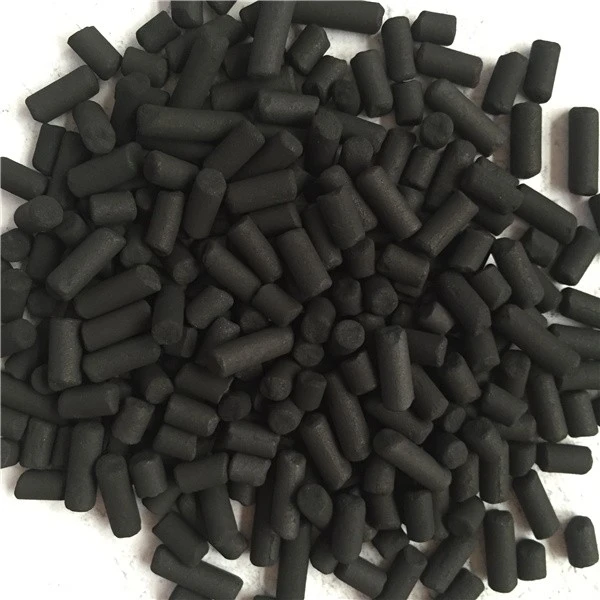
Factory Direct Supply Drinking Water Treatment High Quality Coconut Shell Based 4mm Cylindrical Activated Carbon Pellets
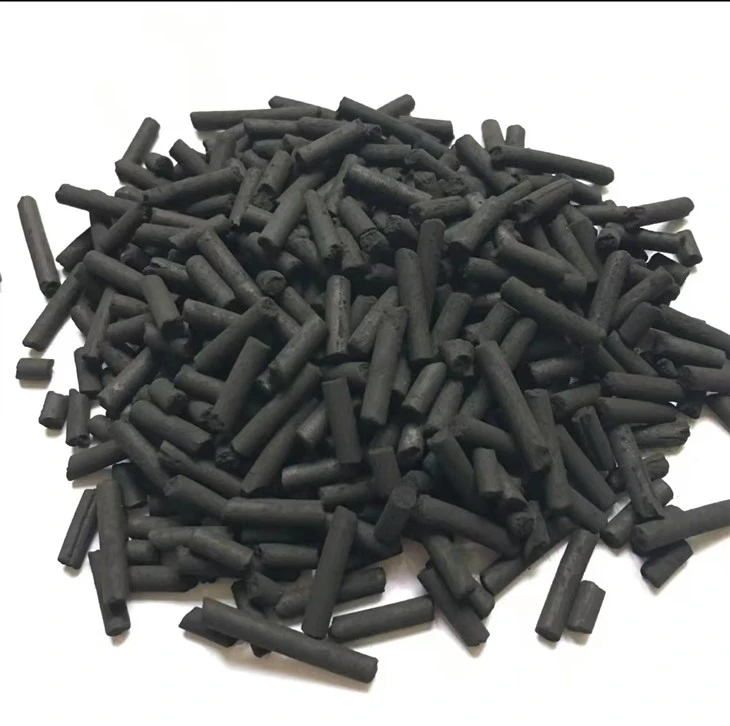
Factory Direct Supply Drinking Water Treatment High Quality Coconut Shell Based 4mm Cylindrical Activated Carbon Pellets
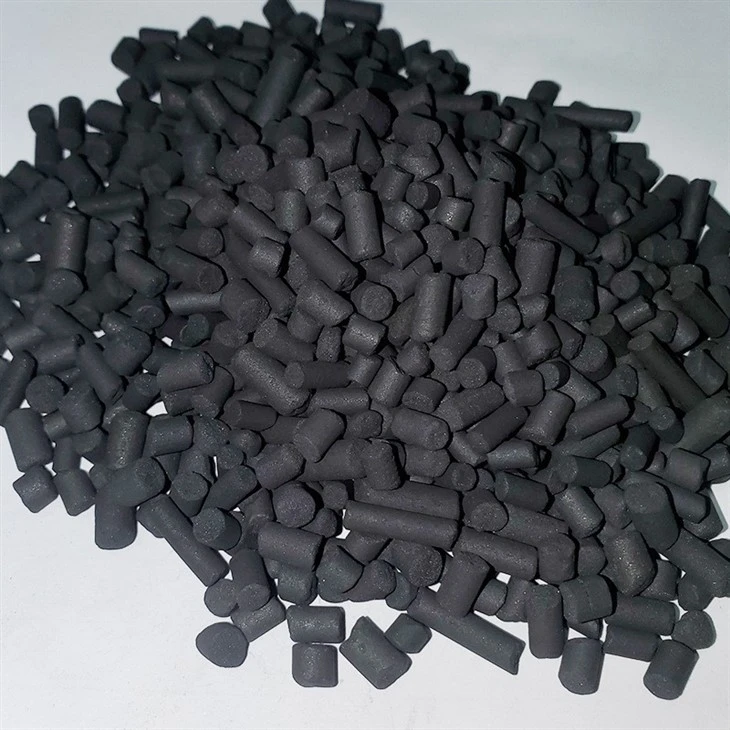
Factory Direct Supply Drinking Water Treatment High Quality Coconut Shell Based 4mm Cylindrical Activated Carbon Pellets
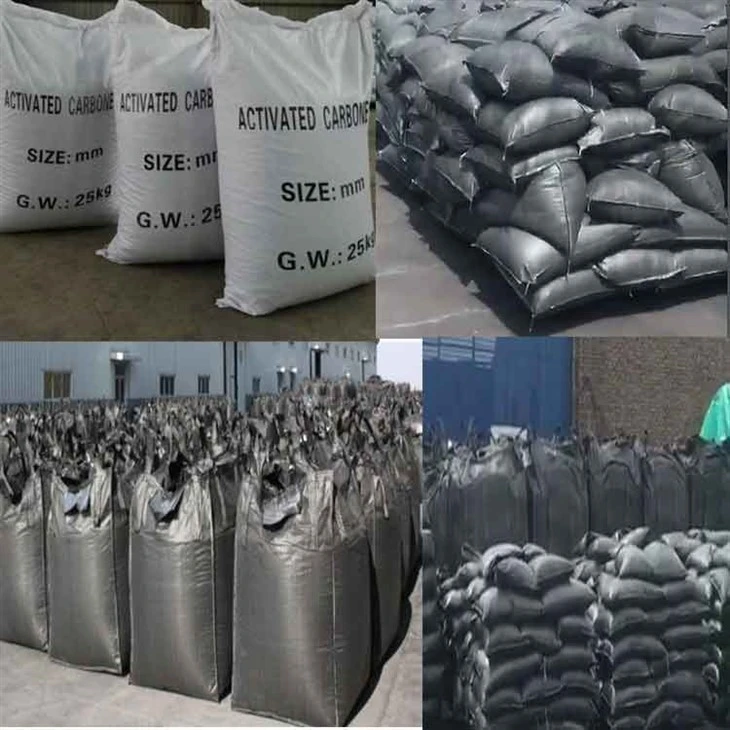
Factory Direct Supply Drinking Water Treatment High Quality Coconut Shell Based 4mm Cylindrical Activated Carbon Pellets
Coconut shell activated carbon is made of high-quality coconut shells from Southeast Asia, and is refined and processed through carbonization, high-temperature activation, and pretreatment.
The product has developed pore structure, large specific surface area, high wear resistance, fast adsorption speed, large adsorption capacity, easy desorption, and can be recycled repeatedly.
Columnar activated carbon common specifications: 1.5mm, 2.0mm, 3.0mm, 4.0mm, 5.0mm, 6.0mm, 8.0mm, 9.0mm. We are engaged in offering Coconut Shell Activated Carbon.
This Coconut Shell Activated Carbon is highly demanded in the market for their excellent adsorption capacity.Widely used in water treatment areas.
Factory Direct Supply Drinking Water Treatment High Quality Coconut Shell Based 4mm Cylindrical Activated Carbon Pellets

Coconut shell activated carbon is made of high-quality coconut shells from Southeast Asia, and is refined and processed through carbonization, high-temperature activation, and pretreatment.The product has developed pore structure, large specific surface area, high wear resistance, fast adsorption speed, large adsorption capacity, easy desorption, and can be recycled repeatedly.
It is widely used in the water purification,sewage treatment. The activated carbon for water treatment uses a special process to carry out high-strength shaping on the activated carbon pellets, and almost completely removes the needle-shaped, pointed, angular and other easy-to-grind parts of the pellets. The columnar shape is full and uniform, which greatly improves the wear resistance of the product. After entering the factory, there is no need for pre-grinding, and it can be used directly after washing with water.

Activated carbon is porous carbon material.Due to its highly developed porous structure and huge specific surface area, columnar activated carbon has very strong adsorption capacity, Its pores include micropores mesopores and macropores, diameter has >2nm,20-200nm, >200nm respectively. There are many oxygen containing functional groups on the surface of activated carbon, Activated carbon can also be impregnated with chemical substance to produce impregnated activated carbon.
It is obtained by carbonization of coconut shells under isolated air conditions at a high temperature of 600-900 ℃, followed by oxidation activation with air, carbon dioxide, water vapor, or a mixture of the three gases at 400-900 ℃.
| Type | LY-612 / LY-816 | ||
| Iodine No.(mg/g) | 800-1200 mg/g | ||
|
8-10 ml/g | ||
| C.T.C(%) | ≥60 | ||
| Moisture content(%) | 1%-3% | ||
|
28 | ||
|
55 | ||
| Hardness(%) | ≥98 | ||
|
450--500 |
 |
Advantages : 1.developed pore structure; 2.large specific surface area; 3.high wear resistance ; 4.fast adsorption speed; 5.large adsorption capacity; 6.easy desorption; 7.can be recycled repeatedly. |
We produce columnar activated carbon of different diameters, select high-quality coconut shells as the base material for treatment, carbonization and activation process, resulting in numerous small holes on the surface of activated carbon. The diameter of micropores on the surface of activated carbon is mostly between 2-50nm. Even a small amount of activated carbon has a huge surface area.

Activated carbon is useful for extracting the direct oral anticoagulants(DOACs) such as dabigatran, apixaban, rivaroxaban and edoxaban from blood plasma samples. For this purpose it has been made into "minitablets", each containing 5 mg activated carbon for treating 1ml samples of DOAC. Since this activated carbon has no effect on blood clotting factors, heparin or most other anticoagulants this allows a plasma sample to be analyzed for abnormalities otherwise affected by the DOACs.
Produce line
-1) Grinding :crush coconut shell to small pieces
-2)Extruding:if you want columnar activated carbon, extruding activated carbon to pellets.
-3) Carbonation:carbonized the pellets or coconut shell powder to carbon.
-4) Activation:Physical method and chemical method.
-5)Screening: Separate different size carbon powder.

Application areas
There are many oxygen containing functional groups on the surface of activated carbon, Activated carbon can also be impregnated with chemical substance to produce impregnated activated carbon.


| 1.Household activated carbon:air purification,furniture deodorization,car deodorization; | 2.Wastewater treatment plant exhaust adsorption; |
| 3.Drinking water treatment; | 4.Powder plant water pretreatment; |
| 5.Pretreatment of wastewater recycling; | 6.Biological wastewater treatment; |
| 7.Toxic wastewater treatment; | 8.Solvent recovery(because activated carbon can adsorb organic solvents); |
| 9.Chemical catalyst carrier; | 10.Chemical stroage exhaust purification; |
| 11.Automobile exhaust purification; | 12.Impurity removal of printing ink; |
| 13.Liquid phase adsorption:For example,in the sugar industry,activated carbon adsorption is used to decolorize sugar liquid;in the chemical industry,activated carbon is used to decolorize organic substances,ect. | |


Send Inquiry