


Skin care
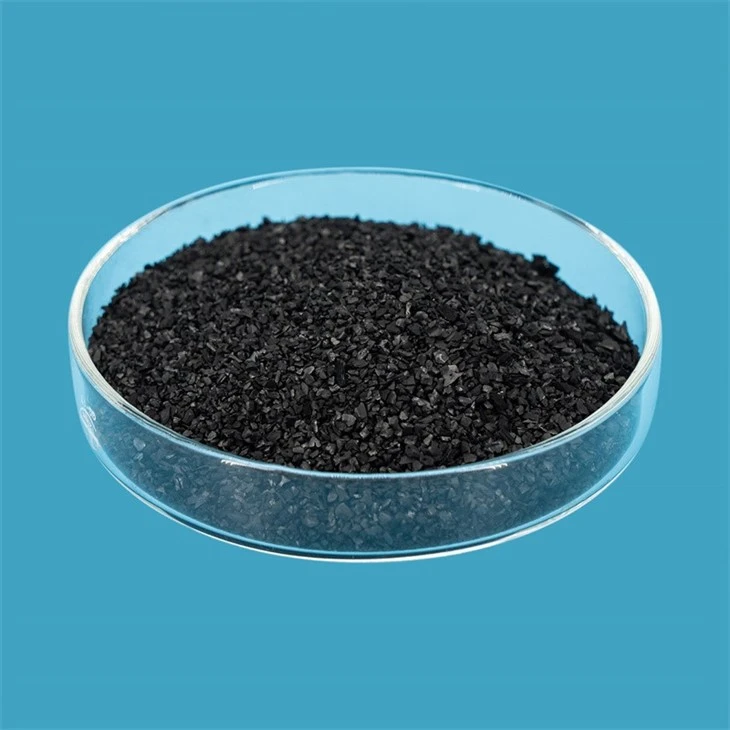
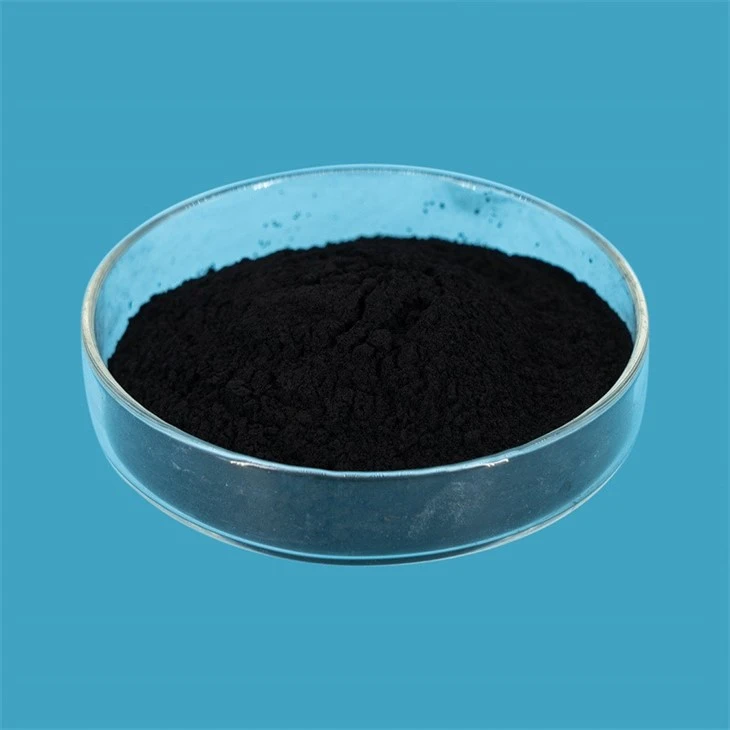
The adsorbing aspects of activated charcoal have made it a popular additive in many skin care products. Products such as Activated Charcoal Soaps and Activated Charcoal Face Masks and scrubs combine the use of the charcoal's adsorption ability along with the cleansing ability of soap.

Industrial
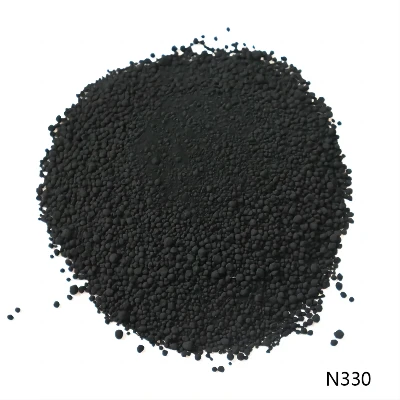
One major industrial application involves use of activated carbon in metal finishing for purification of electroplating solutions. For example, it is the main purification technique for removing organic impurities from bright nickel plating solutions. A variety of organic chemicals are added to plating solutions for improving their deposit qualities and for enhancing properties like brightness, smoothness, ductility, etc. Due to passage of direct current and electrolytic reactions of anodic oxidation and cathodic reduction, organic additives generate unwanted breakdown products in solution. Their excessive build up can adversely affect plating quality and physical properties of deposited metal. Activated carbon treatment removes such impurities and restores plating performance to the desired level.
|
specification |
value |
|
Relative density |
1.95 (nitrogen replacement method) |
|
Apparent density |
O.2~O.3g/cm3 |
|
The average particle size |
30~45nm |
|
Specific surface area |
55~70m2/g |
|
Iodine absorption value |
60~80gI2/kg |
|
Carbon content |
>99.5% |
|
Hydrogen content |
<0.1% |
|
Oxygen content |
0.07%~0.26% |
|
pH value |
5~7 |


