


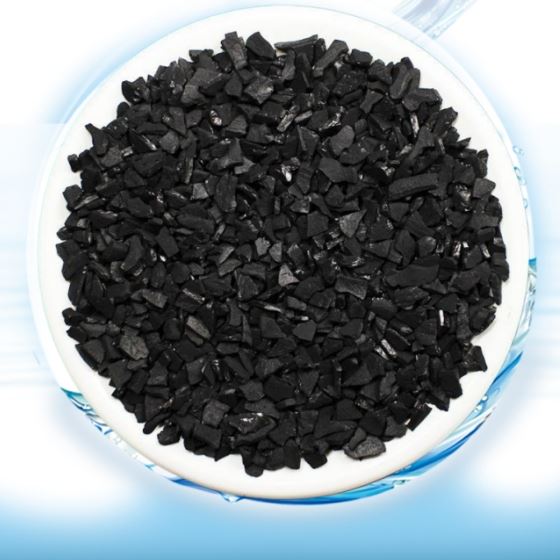
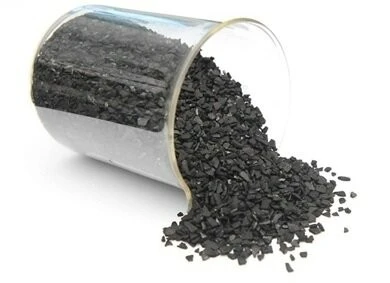
Activated carbon
Activated carbon has unique advantages due to its high strength, well-developed pores, large specific surface area, and especially large microporous volume.
Activated carbon has strong adsorption capacity for various organic matter, free chlorine in water, and harmful gases in the air. Activated carbon has developed pore structure, good chemical stability, and mechanical strength, making it an excellent broad-spectrum carbon adsorption material.
It is an excellent adsorbent for deep purification of urban drinking water and is applied to remove bacteria and toxic gases in the air.
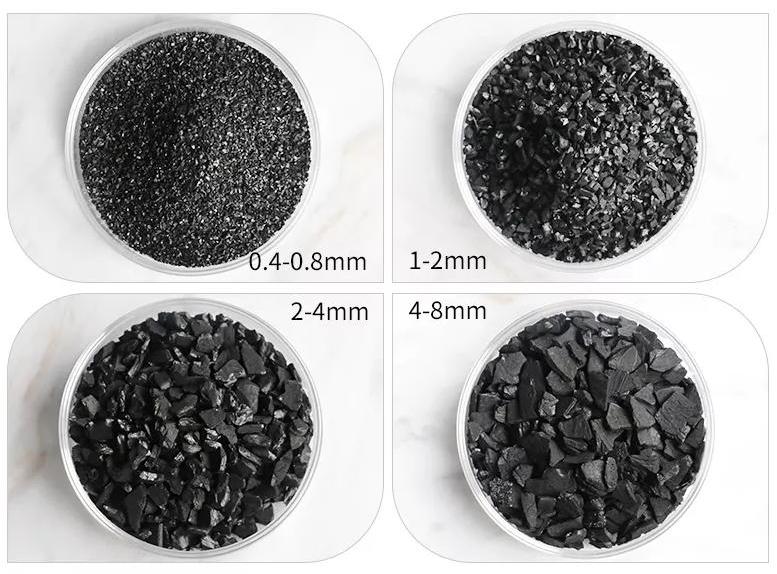
In terms of air adsorption and purification, activated carbon is mainly used to adsorb trace toxic gases in the air, such as ammonia, formaldehyde, benzene, and various odors.
In addition to physical adsorption, chemical adsorption reactions often occur on the surface of activated carbon. Activated carbon not only contains carbon, but also contains a small amount of chemically bound and functional groups of oxygen and hydrogen on its surface, such as carboxyl groups, hydroxyl groups, phenols, lipids, quinones, ethers, etc. These surfaces contain earth oxides or complexes that can undergo chemical reactions with the adsorbed substance, thereby binding with the adsorbed substance and aggregating onto the surface of activated carbon.
The dual characteristics of physical and chemical adsorption of coconut shell activated carbon enable it to selectively adsorb various harmful substances in the air, achieving the goal of disinfection, deodorization, dehumidification, and sterilization.
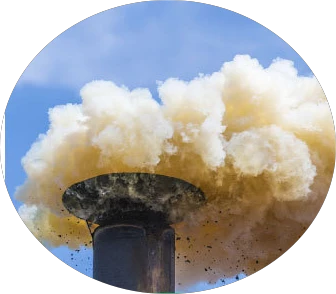
For example, when copper smelters burn sulfur-containing chalcopyrite, a large amount of sulfur dioxide will escape to produce sulfuric acid. At the same time, copper ore also contains arsenic, which is burned to form arsenic trioxide, which can cause poisoning of the catalyst for preparing sulfuric acid. Moreover, arsenic entering the atmosphere can easily cause pollution. In response to the arsenic and sulfur hazards during copper smelting, activated carbon is first used to adsorb and remove arsenic, and then activated carbon is used for desulfurization to produce sulfuric acid. The arsenic adsorbed by activated carbon is desorbed and recovered with hot air to avoid causing waste gas pollution. This achieves the effect of air purification.
In addition to industrial waste gas, activated carbon, as an excellent physical and chemical adsorbent, is increasingly valued by people and has many uses in households:
- Absorb harmful substances such as pungent and eye-catching substances emitted from interior decoration materials and furniture after decoration, ensuring human health.
- Remove indoor smoke and odor, adsorb carbon dioxide gas, and improve indoor air quality.
- Placed in the refrigerator, it can effectively remove various odors and odors inside the refrigerator, and prevent food from smelling and polluting.
- Car odor removal: New cars generally contain a lot of harmful substances and unpleasant and pungent odors, which can be effectively removed with activated carbon.
Activated carbon materials have specific effects on air purification due to their unique structure, but there may also be differences between different materials and pore sizes. Contact us and we will provide you with products that are more suitable for you.


