


Product Description
Activated carbon, also called activated charcoal, is a form of carbon commonly used to filter contaminants from water and air, among many other uses. It is processed (activated) to have small, low-volume pores that increase the surface area available for adsorption (which is not the same as absorption) or chemical reactions. Activation is analogous to making popcorn from dried corn kernels: popcorn is light, fluffy, and its kernels have a high surface-area-to-volume ratio. Activated is sometimes replaced by active.
Due to its high degree of microporosity, one gram of activated carbon has a surface area in excess of 3,000 m2 (32,000 sq ft) as determined by gas adsorption. Charcoal, before activation, has a specific surface area in the range of 2.0–5.0 m2/g. An activation level sufficient for useful application may be obtained solely from high surface area. Further chemical treatment often enhances adsorption properties.
This product is made from imported coconut shells and refined using physical methods. It has the characteristics of good wear resistance, high adsorption performance, and long service time, and has excellent efficiency in the manufacturing of pure water and high-purity water. It is an ideal material for thermoelectric, beer, beverage, and high-purity water equipment.
Product application
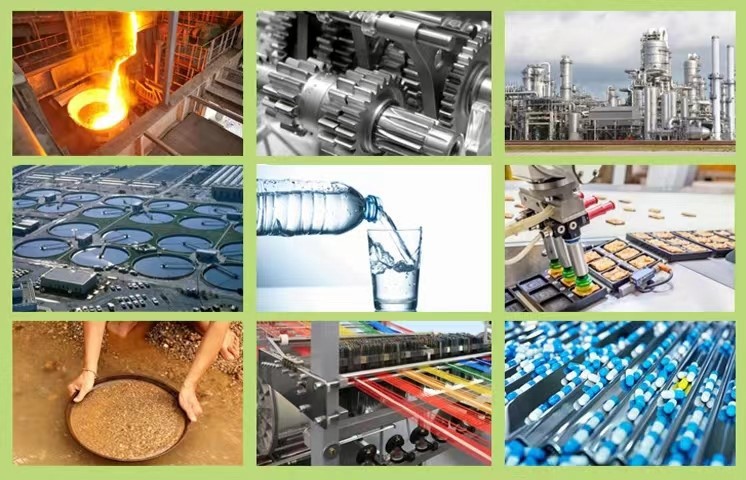
● Solvent recovery
● Purification of raw water in power plants
● Waste gas purification
● Sewage treatment
● Decolorization of beverages
● Gold recovery
● Injection and medicinal
attention
Activated carbon is a porous adsorbent, so it must be absolutely prevented from water immersion during transportation, storage, and use. After water immersion, a large amount of water fills the active pores, making it ineffective.
During the use of activated carbon, tar like substances should be prohibited from entering the activated carbon bed to avoid clogging the pores of the activated carbon and causing it to lose its adsorption effect.
When storing or transporting activated carbon, prevent direct contact with ignition sources to prevent ignition.


