Activated carbon
Activated carbon is a porous form of carbon which can be manufactured from a variety of carbonaceous raw materials. The principal commercial products are made from coconut shell, coal, peat or wood. The activation process involves treating the raw material with steam or chemicals, thereby developing a pore structure.
Activated carbon, known as activated charcoal, is characterised by a vast system of pores of molecular size within the carbon particles, resulting in the formation of a material with an extensive internal surface area. Commercially available, activated carbons have surface areas from 400m2/g to more than 2000m2/g.
How Does it Work?
The atoms of carbon, comprising the large internal surface area of activated carbon, present attractive forces outward from the surface. These forces, known as Van der Waals forces, attract the molecules of the surrounding gas or liquid.
The combination of these attractive forces and those of molecules in the surrounding medium result in the absorption of molecules at the surface of the activated carbon. Some molecules have structures which make them more easily adsorbed than others and it is due to this that the separation of molecules is achieved.
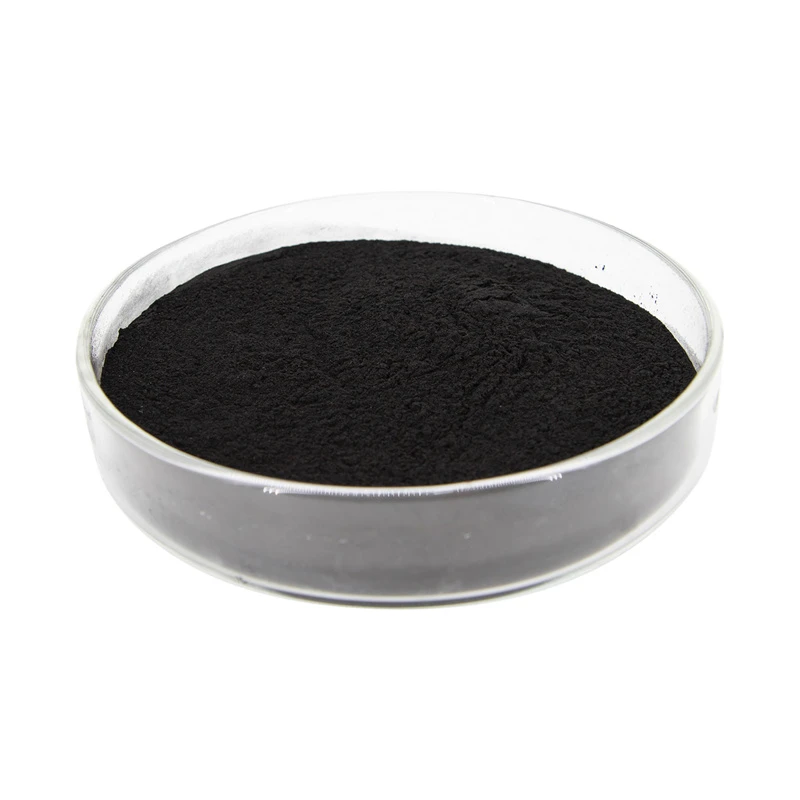
Powdered Activated Carbon
Powdered activated carbon is made from high-quality wood chips and fruit shells. The appearance is in the form of black fine powder, non-toxic and odorless. It is widely used for decolorization, impurity removal, refinement of products such as pharmaceuticals, food additives, monosodium glutamate, chemicals, beverages, etc., and is suitable for water purification treatment.
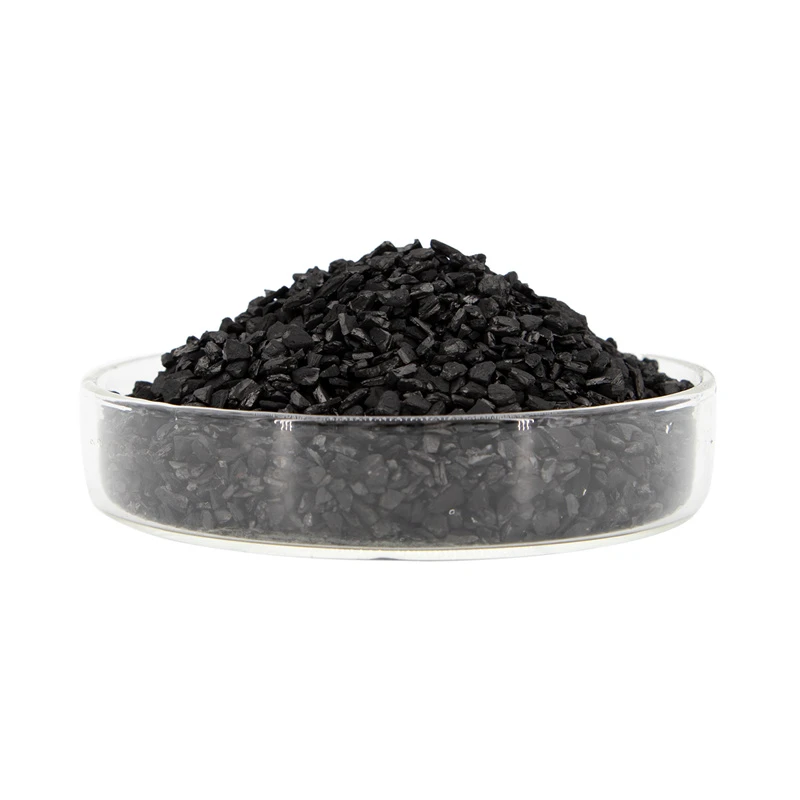
Granular Activated Carbon
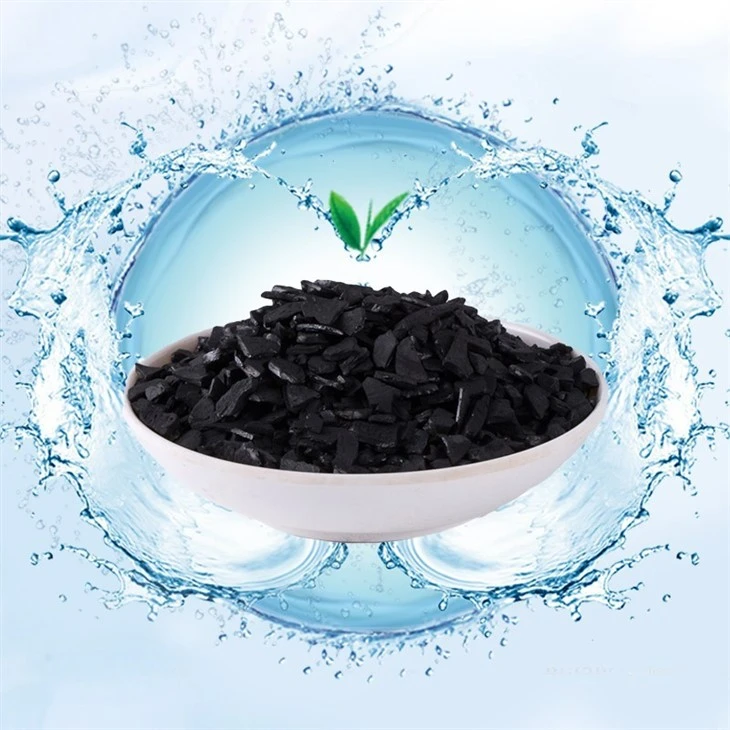
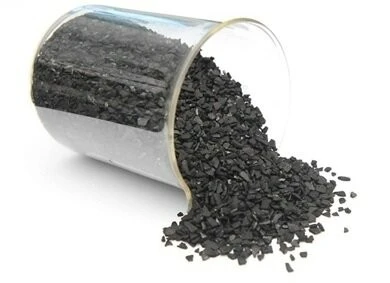
Granular activated carbon is made from high-quality coconut shells and processed through a series of production processes. The appearance is black and granular, with advantages such as well-developed pores, good adsorption performance, high strength, and economic durability.
The product is mainly used for purification, decolorization, dechlorination, deodorization, desiccants, catalytic carriers, and other aspects of drinking water, purified water, tap water, wine making, beverages, and industrial water.
Product Detail
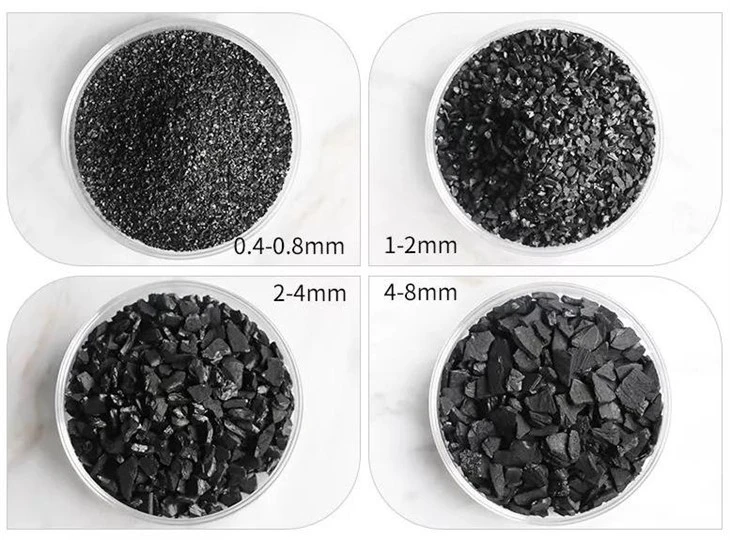
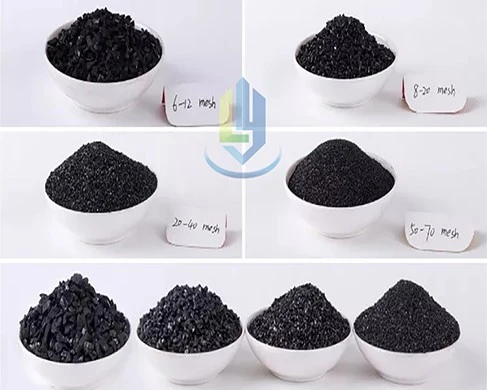
Particle Size
We accept customs different size for activated carbon.
Impurity level
We controlled through a number of standard and proprietary washing processes.
Raw Material
We use high-quality coconut shells or anthracite as raw materials. If you have any requirements, please contact us.
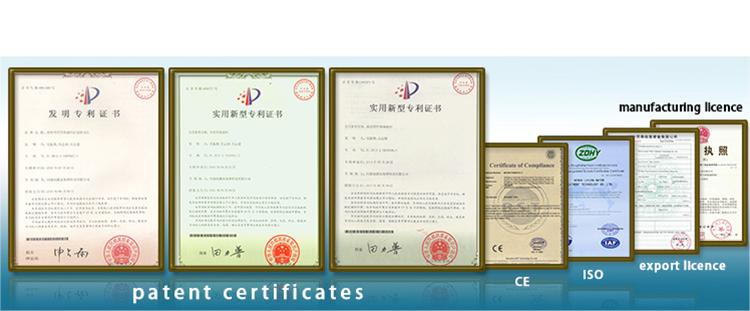
Our Certificate