Product Description
Activated carbon is a highly porous substance that attracts and holds organic chemicals inside it. The media is created by first burning a carbonaceous substance without oxygen which makes a carbon "char". Next, the "char" is treated chemically or physically to develop an interconnected series of "holes" or pores inside the carbon. The great surface area of this internal pore network results in an extremely large surface area that can attract and hold organic chemicals.
Activated carbon is a carbon-based material that has been processed to maximize its adsorptive properties, yielding a superior adsorbent material.
Activated carbon boasts an impressive pore structure that causes it to have a very high surface area on which to capture and hold materials, and can be produced from a number of carbon-rich organic materials, including:
- Coconut shells
- Wood
- Coal
- Peat
- And more…
Depending on the source material, and the processing methods used to produce activated carbon, the physical and chemical properties of the end product can differ significantly. This creates a matrix of possibilities for variation in commercially produced carbons, with hundreds of varieties available. Because of this, commercially produced activated carbons are highly specialized to achieve the best results for a given application.
Despite such variation, there are three main types of activated carbon produced:
Powdered Activated Carbon (PAC)
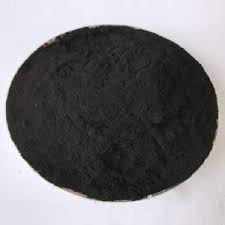
Powdered activated carbons generally fall in the particle size range of 5 to 150 Å, with some outlying sizes available. PAC's are typically used in liquid-phase adsorption applications and offer reduced processing costs and flexibility in operation.
Granular Activated Carbon (GAC)
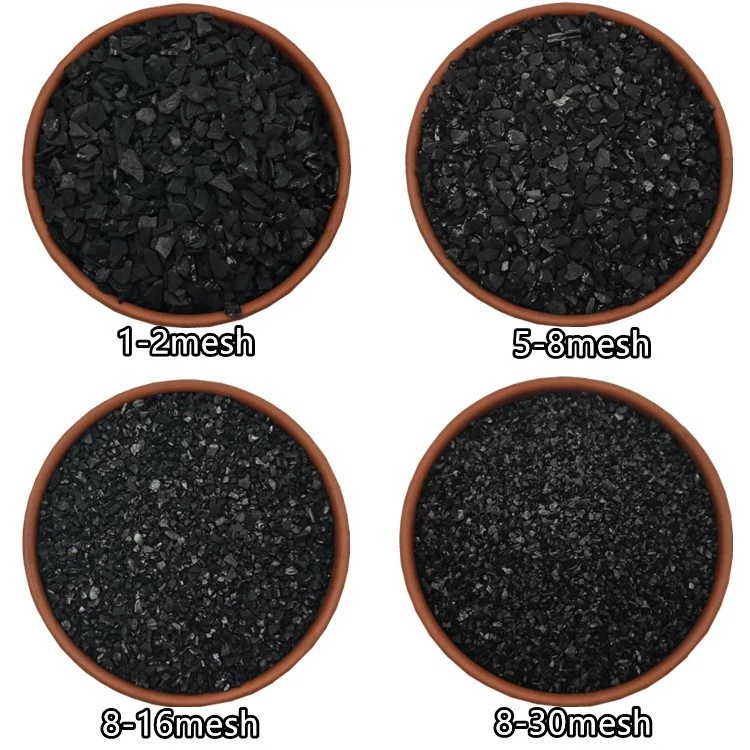
Granular activated carbons generally range in particle sizes of 0.2 mm to 5 mm and can be used in both gas and liquid phase applications. GACs are popular because they offer clean handling and tend to last longer than PACs.
Additionally, they offer improved strength (hardness) and can be regenerated and reused.
Extruded Activated Carbon (EAC)
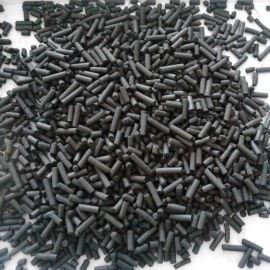
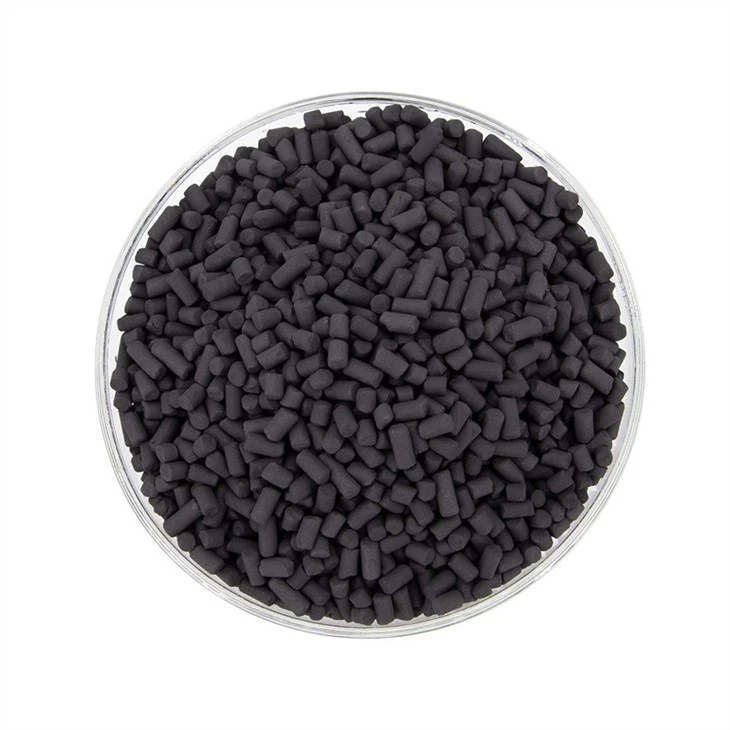
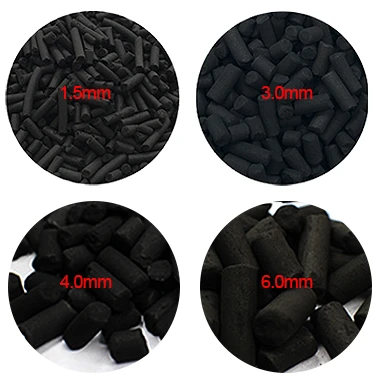
Extruded activated carbons are a cylindrical pellet product ranging in size from 1 mm to 5 mm. Typically used in gas phase reactions, EACs are a heavy-duty activated carbon as a result of the extrusion process.
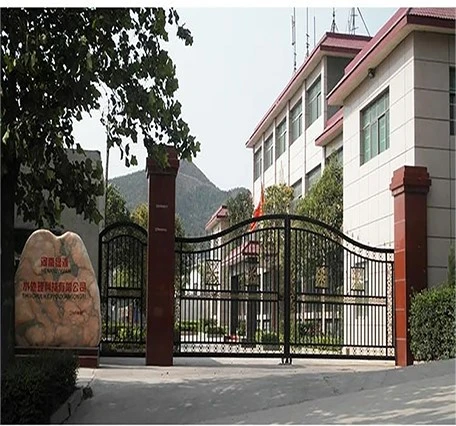
our factory