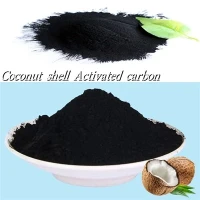
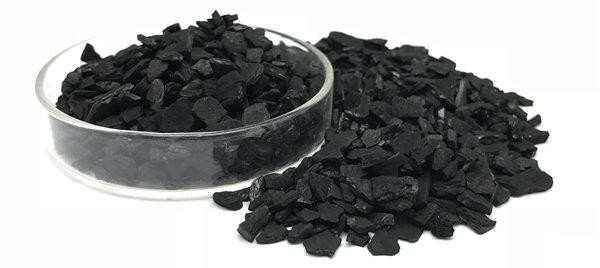
Coconut-shell Activated Carbon
You' ve likely heard of activated carbon or activated charcoal, but have you heard of coconut carbon?
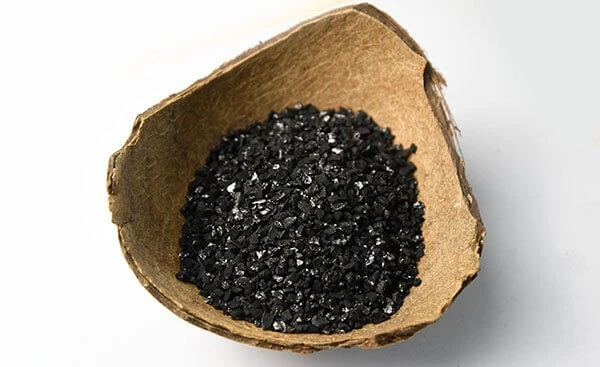
Interestingly, activated coconut-shell carbon is the same as activated coconut charcoal, but they have different uses.
This form of carbon has many uses and benefits. Activated coconut carbon is utilized in many industries, including the food industry, water, air purification, and healthcare. This is because of its efficient performance in helping manage air and water pollution and waste treatment globally, and because it's an environmentally safe renewable resource.
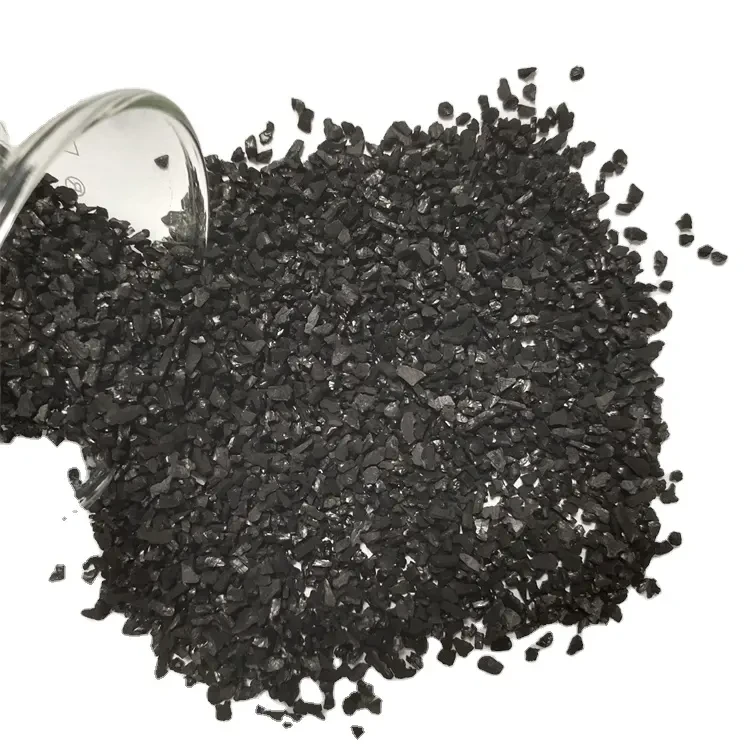
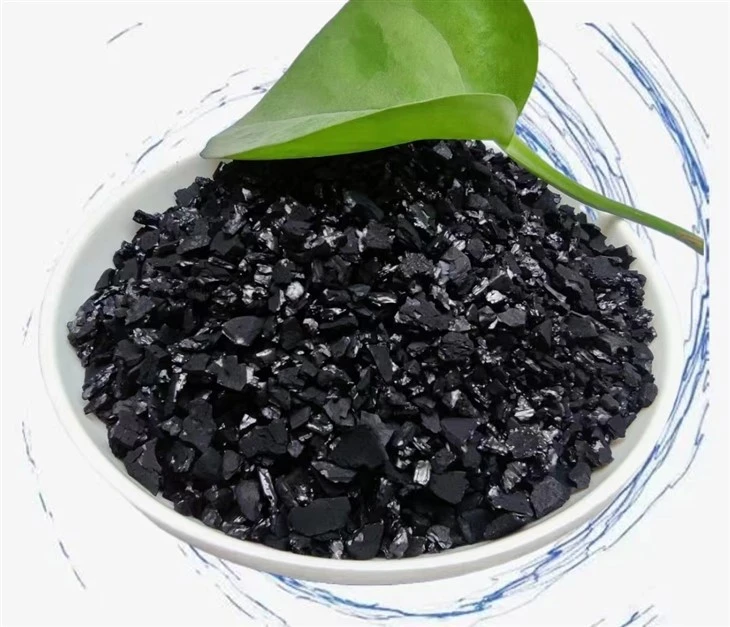
"Activated" carbon is a highly adsorbent powdered or granular carbon.
Although it has other uses, coconut-shell activated carbon has become one of the best forms of activated carbon for water filtration and water purification in recent years. Unlike different types of activated carbon, coconut-shell activated carbon has a large surface area and higher density of micropores.
Additionally, it can effectively absorb certain impurities. For example, granulated activated carbon (GAC) is commonly utilized in carbon filters to remove pollutants such as pesticides and herbicides from drinking water.
Did you know that coconut shell carbon has a significantly higher porosity than other forms of activated carbon? It has up to 50% more micropores than bituminous coal. Due to this, it can absorb contaminants and volatile organic compounds, which is why it's considered one of the most optimal materials for water filtration purposes.
Essentially, this means that coconut shell carbon is the preferred carbon to remove volatile organic compounds (otherwise known as VOCs) from drinking water point-of-entry systems (otherwise known as POE systems). Conveniently, it also removes foul odors and bad tastes from drinking water, which is why coconut shell carbon is commonly used in water filters.
What Is Coconut Carbon Used For?
Extraordinarily, coconut shell-based carbon has numerous real-world uses besides what we briefly touched on above. Below, we'll list just a few ways coconut carbon is used.
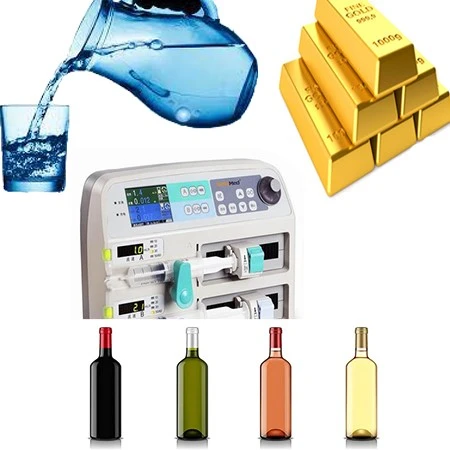
- Wastewater purification
- Catalyst support (a material that's generally solid with a high surface area and chemical stability that a catalyst is affixed to)
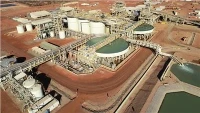
- Gold absorption from a gold solution (this is known as precious metal recovery)
- Organic impurity removal in various beverage and food applications
- Potable water purification
- Medical equipment uses (often used in blood-filtering devices like kidney dialysis machines)
Coconut shell carbon is a renewable source that's safe for the environment, water filtration, and food consumption. It's also safe to use in specific medical devices. Essentially, coconut shell carbon is odorless, virtually tasteless, and non-toxic.
Why Choose Us?
20 Years Experience
Excellent team
Professional Standards
Best Materials