


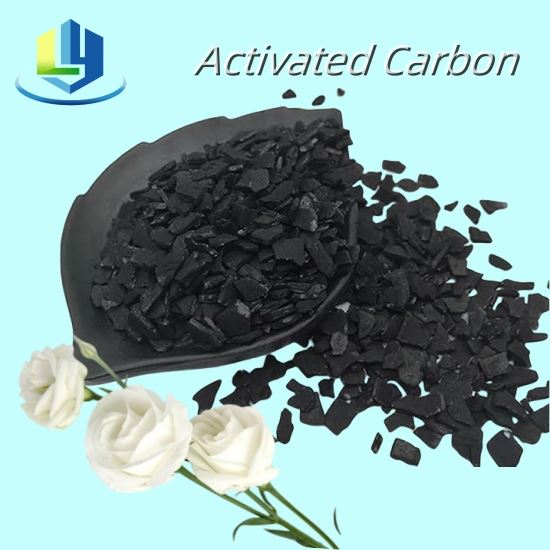
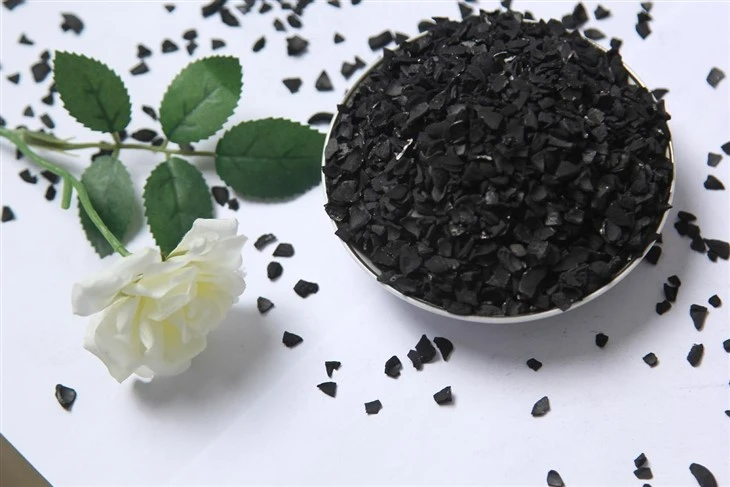
Activated carbon
Activated carbon (also called active carbon, activated charcoal, or activated coal) is a form of carbon that has been processed to make it extremely porous and thus to have a very large surface area available for adsorption and chemical reactions. It is usually derived from coal, wood, hard fruit shells, fruit kernels.
Activated carbon is valuable for a variety of applications. Examples include gas purification, water purification, metal extraction, gold recovery, medicine, sewage treatment, air filters in gas masks and filter masks, and filters in compressed air. In addition, activated carbon is useful for the deodorization of closed spaces such as refrigerators and warehouses. Sufficient activation for useful applications may come solely from the high surface area, though further chemical treatment often enhances the adsorption ability of the material.
Applications
Activated carbon is used in gas purification, gold purification, metal extraction, water purification, medicine, sewage treatment, air filters in gas masks and filter masks, filters in compressed air and many other applications.
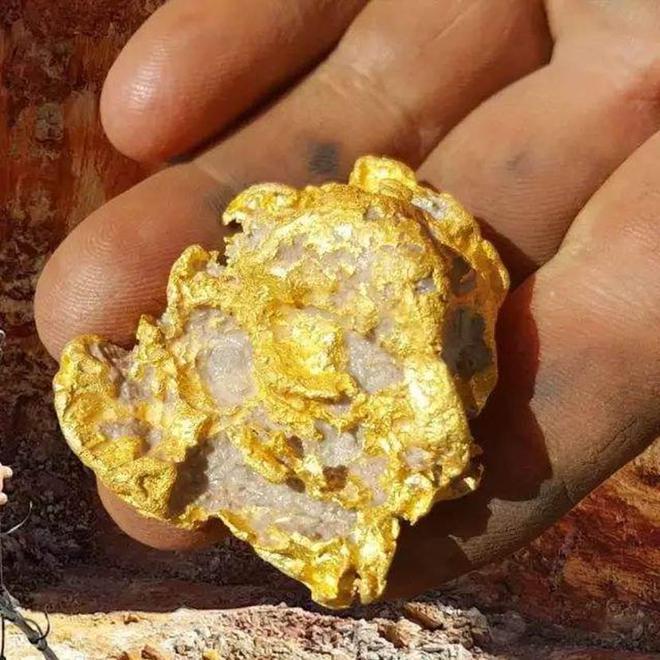
One major industrial application involves use of activated carbon in metal finishing field. It is very widely employed for purification of electroplating solutions. For example, it is a main purification technique for removing organic impurities from bright nickel plating solutions. A variety of organic chemicals are added to plating solutions for improving their deposit qualities and for enhancing properties like brightness, smoothness, and ductility. Due to passage of direct current and electrolytic reactions of anodic oxidation and cathodic reduction, organic additives generate unwanted break down products in solution. Their excessive build up can adversely affect the plating quality and physical properties of deposited metal. Activated carbon treatment removes such impurities and restores plating performance to the desired level.
Environmental applications
Carbon adsorption has numerous applications in removing pollutants from air or water streams both in the field and in industrial processes such as:
- Spill cleanup
- Groundwater remediation
- Drinking water filtration
- Air purification
- Volatile organic compounds capture from painting, dry cleaning, gasoline dispensing operations, and other processes.
Medical applications
Activated carbon is used to treat poisonings and overdoses following oral ingestion.
It is thought to bind to poison and prevent its absorption by the gastrointestinal tract. In cases of suspected poisoning, medical personnel either administer activated charcoal on the scene or at a hospital's emergency department. Dosing is usually empirical at 1 gram/kg of body weight, usually given only once. Depending on the drug taken, it may be given more than once. In rare situations activated charcoal is used in Intensive Care to filter out harmful drugs from the blood stream of poisoned patients. Activated carbon has become the treatment of choice for many poisonings, and other decontamination methods such as ipecac-induced emesis or stomach pumps are now used rarely.
While activated carbon is useful in an acute poisoning situation, it has been shown to not be effective in long term accumulation of toxins, such as with the use of toxic herbicides.
Mechanisms of action:
- Binding of the toxin to prevent stomach and intestinal absorption. Binding is reversible so a cathartic such as sorbitol may be added as well
- It interrupts the enterohepatic circulation of some drugs/toxins and their metabolites
- Allows certain drugs/toxins to be drawn out of the blood and bind to the charcoal in the intestine-a kind of "gut dialysis"
Incorrect application (for example, into the lungs) results in pulmonary aspiration which can sometimes be fatal if immediate medical treatment is not initiated. The use of activated charcoal is contraindicated when the ingested substance is an acid, an alkali, or a petroleum product.
For pre-hospital use, it comes in plastic tubes or bottles, commonly 12.5 or 25 grams, pre-mixed with water. The trade names include InstaChar, SuperChar, Actidose, and Liqui-Char, but it is commonly called simply Activated Charcoal.
As an over-the-counter drug, it is often used to treat mild diarrhea.
Gas purification
Filters with activated carbon are usually used in compressed air and gas purification to remove oil vapors, odors, and other hydrocarbons from the air. The most common designs use a 1 stage or 2 stage filtration principle where activated carbon is embedded inside the filter media. Activated charcoal is also used in spacesuit Primary Life Support Systems.
Distilled alcoholic beverage purification
Activated carbon filters can be used to filter vodka and whiskey of organic impurities. Since the activated carbon does not bind well to alcohols, the percentage of ethanol is not significantly affected, but the carbon will bind to and remove many organic impurities which can affect color, taste, and odor.
Scrubbing mercury from stack gas
Activated carbon, often impregnated with iodine or sulfur, is widely used to trap mercury emissions from coal-fired power stations, medical incinerators, and from natural gas at the wellhead. This carbon is a specialty product but is often not recycled.
The mercury-laden activated carbon presents a disposal problem. If the activated carbon contains less than 260 parts per million (ppm) mercury, Federal regulations allow it to be stabilized (for example, trapped in concrete) for landfilling. However, waste containing greater than 260 ppm is considered in the "high mercury" subcategory and is banned from landfilling (Land-Ban Rule). This material is now accumulating in warehouses and in deep abandoned mines at an estimated rate of 1000 tons per year.


