


activated carbon
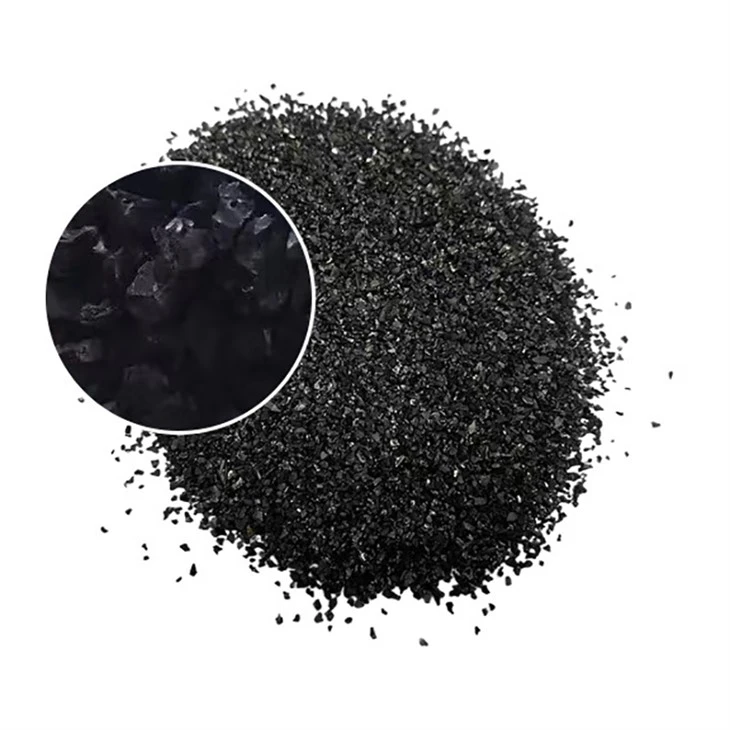
Because the activation process is a microscopic process, that is, the surface erosion of a large number of molecular carbides is point erosion, resulting in numerous small pores on the surface of activated carbon.
The diameter of micropores on the surface of activated carbon is mostly between 2-50nm. Even a small amount of activated carbon has a huge surface area.
The atoms of carbon, comprising the large internal surface area of activated carbon, present attractive forces outward from the surface. These forces, known as Van der Waals forces, attract the molecules of the surrounding gas or liquid.
The combination of these attractive forces and those of molecules in the surrounding medium result in the absorption of molecules at the surface of the activated carbon. Some molecules have structures which make them more easily adsorbed than others and it is due to this that the separation of molecules is achieved.
- Waste gas treatment
Used for chemical raw gas, chemical synthesis gas, pharmaceutical industry gas, carbon dioxide gas and beverage hydrogen, nitrogen, chlorine, hydrogen chloride, ethane, cracking gas, inert gas purification. And cleaning the exhaust gas of atomic facilities. It is also used to remove pollutants from the air and to separate and purify mixed gases.
- Industrial application
One major industrial application involves use of activated carbon in metal finishing for purification of electroplating solutions. For example, it is the main purification technique for removing organic impurities from bright nickel plating solutions. A variety of organic chemicals are added to plating solutions for improving their deposit qualities and for enhancing properties like brightness, smoothness, ductility, etc. Due to passage of direct current and electrolytic reactions of anodic oxidation and cathodic reduction, organic additives generate unwanted breakdown products in solution. Their excessive build up can adversely affect plating quality and physical properties of deposited metal. Activated carbon treatment removes such impurities and restores plating performance to the desired level.
- Water treatment
Urban drinking water, pure water, distilled water, ultra-pure water and other manufacturing equipment filling, dechlorination, oil reduction purification, all kinds of industrial sewage deep purification treatment.
- Desulfurization and denitration treatment
It is mainly used for H2S removal of biogas, water gas, semi-water gas, coke oven gas, natural gas, carbon dioxide gas, city gas, synthetic ammonia process gas, chemical raw material gas and other gases.
- Formaldehyde treatment
Newly renovated houses more or less have formaldehyde, which seriously affects our health. The use of activated carbon and ventilated areas for treatment is a good method.
Activated carbon materials have specific effects on air purification due to their unique structure, but there may also be differences between different materials and pore sizes. Contact us and we will provide you with products that are more suitable for you.


