


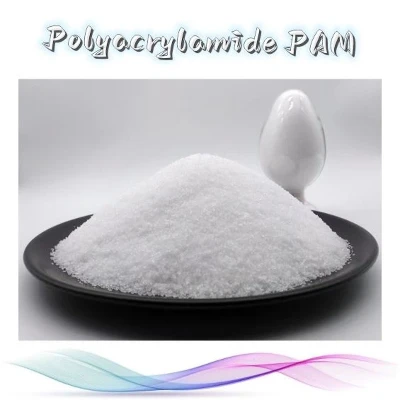
Polyacrylamide (PAM) is a synthetic polymer with a wide range of applications, including water treatment. It is often used as a flocculant and coagulant aid to remove suspended solids, turbidity and other impurities in water. While PAM can be effective in improving the efficiency of water treatment processes, there are environmental issues and considerations associated with its use factor:
Toxicity and Health Concerns: Polyacrylamide itself is generally considered nontoxic. However, the monomeric acrylamide and low molecular weight polyacrylamide used in its production can be toxic and are classified as potential carcinogens. To minimize health risks, manufacturers often use processes that leave very low levels of acrylamide residue in the final PAM product. Users should handle PAM with care and follow safety guidelines.
Environmental Persistence: Polyacrylamide can persist in the environment, especially in soil and sediments. Over time, this persistence may lead to the accumulation of PAM, affecting ecosystems and aquatic life. PAM can also be transported to nearby water bodies through runoff from fields and construction sites, potentially causing unintended environmental impacts.
Degradation Products: While PAM itself may not be highly toxic, its degradation products may be concerning. When PAM breaks down in the environment, it releases acrylamide and other by-products. Acrylamide is a known neurotoxin and its presence in water or soil may pose risks to aquatic life and even humans if it contaminates drinking water sources.
Effects on aquatic ecosystems: The use of PAM in water treatment changes the chemical composition of the water, which may affect aquatic ecosystems. For example, adding PAM can affect the nutrient balance in water bodies, potentially leading to eutrophication (excessive enrichment of nutrients), harmful algal blooms, and hypoxia.
Regulation and Monitoring: Many jurisdictions regulate the use of PAM due to concerns about their potential environmental impacts. Users of PAM in water treatment applications may be subject to specific guidance and reporting requirements. Monitoring and controlling PAM concentration in wastewater discharge is of great significance for environmental protection.
Alternative Treatment: Alternative water treatment methods and chemicals are being explored to mitigate environmental issues associated with PAM. These alternatives are designed to achieve the same water treatment goals while minimizing potential environmental impacts.
In summary, while polyacrylamide can be effective in water treatment applications, there are important environmental considerations to keep in mind. Users should follow best practices for handling, use and disposal of PAM, and regulators should continue to monitor and assess its environmental impact to ensure its safe and responsible use. In addition, ongoing research and development efforts are focused on finding more sustainable and environmentally friendly water treatment alternatives.