


Activated carbon is widely used in groundwater remediation, leak cleanup, drinking water filtration, and air purification. Choosing the right activated carbon depends on a variety of factors, such as the raw materials, activation process, and the specific requirements of the intended application. Understanding these complex factors is crucial for consumers to make informed decisions when choosing activated carbon. Let's take a look at the types of activated carbon and how to choose one based on the intended application.
Types of Activated Carbon:
Coal-Based Activated Carbon Filtration
Let's start with coal-based activated carbon. Made as a byproduct of anthracite, bituminous coal, or lignite, it is a classic filter material. Bituminous coal stands out for its high microporosity, impact resistance, and ease of regeneration. While coal-based filtration is convenient, it also has some disadvantages:
Environmental Impact: The bituminous coal mining process is known to pose environmental risks, including habitat destruction and the release of explosive gases.
Taste Impact: Water may have a distinctive taste, as bituminous coal is known to release byproducts during the filtration process.
Chemical Emissions: Coal-based activated carbon may introduce compounds into water, affecting the taste and overall quality of the filtration product. Pore Size Limitation: The larger pores in bituminous coal can compromise its ability to effectively filter smaller particles. Coal-based activated carbon is produced by steam-activating coal. This activated carbon possesses millions of pores on its surface, giving it a large surface area. Furthermore, bituminous coal, with a microporosity of 70% to 90%, is a preferred activated carbon. It is widely used in a variety of applications, including sewage treatment, wastewater treatment, gas purification, and aquarium and pond water treatment. Furthermore, coal-based activated carbon is known for its cost-effectiveness and high deodorization performance.
Wood-Based Activated Carbon Filtration
Currently, wood-based activated carbon is being touted as an alternative to filtration methods. It primarily utilizes the properties of mesopores and macropores, offering advantages such as renewability and effective taste and color removal from water. However, the following points should be noted:
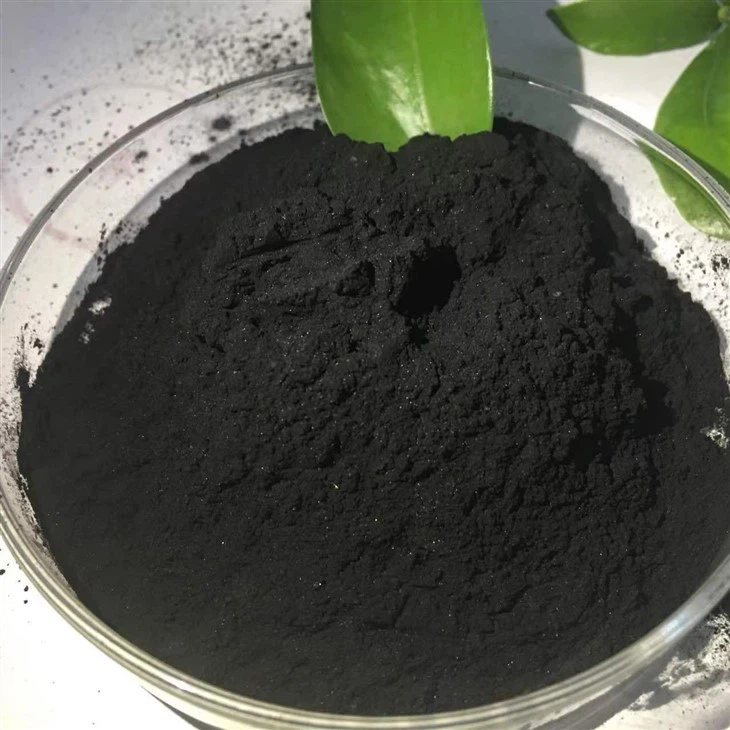
Renewable Resource: This resource is renewable because it comes from mature trees. However, its long maturation period poses challenges for immediate availability.
Decolorization and Odor Removal: It excels at removing certain contaminants, making it suitable for enhancing taste, color, and odor in water. Filtration Limitations: However, the prevalence of mesopores and macropores may limit wood charcoal's ability to filter finer contaminants. Therefore, it is less suitable for advanced filtration.
Notably, wood-based activated carbon has gained popularity due to its superior decolorization properties. Derived from specific wood and sawdust, this type of activated carbon is known for its non-toxicity, large surface area, and strong adsorption capacity. It is widely used for drinking water purification and in various industries, including sugar production, beverages, and pharmaceuticals. Its production method uses phosphoric acid, offering advantages such as fast filtration speed and zinc-free operation. Furthermore, Babur wood-based activated carbon, with a 5% ash content, is renowned for its excellent microporous structure. Bamboo charcoal, derived from moso bamboo, is another high-quality raw material commonly used in skincare products.
Coconut Shell Activated Carbon Filtration
Coconut shell activated carbon is a promising sustainable option for carbon block filters. Compared to coal, its higher micropore density offers the following advantages:
Renewable and Green Source: Coconuts, grown in tropical climates, are a continuous carbon source.
Year-Round Harvest: Fortunately, coconut trees can be harvested multiple times a year, ensuring a steady supply of carbon. Environmentally friendly: Extracting activated carbon from coconut shells is considered a green process. It produces less dust and contributes to sustainable development.
High porosity and mechanical strength: Coconut shell activated carbon has a high density of micropores, which is said to enhance its pollutant filtration performance. Its microporosity also enhances its mechanical strength and abrasion resistance.
Produces cleaner water: It also produces the cleanest water of all activated carbons. Its porosity, total pore volume, and extremely low leaching rate also contribute to its excellent filtration performance.
Coconut shell activated carbon is produced using a steam activation process. Its surface contains millions of pores, increasing its total surface area. Known for its pore size distribution, coconut shell activated carbon is primarily used for water and gas filtration. It is reportedly used to treat acute poisoning, gastrointestinal disorders, and for drinking water filtration using carbon filters.
Choosing the Best Activated Carbon Solution
The importance of porosity cannot be overstated when determining the best type of activated carbon for a variety of applications. For example, coconut activated carbon has many micropores, coal-based activated carbon has many mesopores and micropores, and wood-based activated carbon has many mesopores and macropores. Furthermore, the molecular size of the impurity is another factor, so coconut activated carbon is most popular for impurities with a molecular size less than 100 angstroms. Coal-based activated carbon is most popular for impurities with a molecular size between 100 and 1000 angstroms, while wood-based activated carbon is most popular for impurities with a molecular size greater than 1000 angstroms.