


Sand filters are popular because they are one of the most economical and low-maintenance pool filtration methods. Besides occasional backwashing, you only need to replace the filter media (sand) every 3-5 years, sometimes even longer. The frequency of replacing pool filter sand depends on several factors, including the size of the filter relative to the pool, the quality of the sand, and various aspects of your daily pool maintenance.
If you notice that your filter isn't filtering as efficiently as before, or you need to backwash more frequently, it's likely time to replace the filter media. Aging filter sand can clump together or form channels within the media, significantly reducing filtration efficiency. Whether you have prior experience or not, this simple guide will help you easily replace the sand in your pool filter.
1. Gather Necessary Supplies
Before you begin, make sure you have all the necessary tools and supplies ready. Taking a few minutes to gather everything you need and place it near the sand filter will make the entire process quicker and easier.
Materials Needed:
Standard flathead and Phillips head screwdrivers (for working with filter clamps)
Strap wrench or filter lid tool (for working with threaded filter lids)
Hacksaw (if the top-mounted multi-port valve is hard-piped without a union)
Rubber stopper, sock, plastic bag, or tape (to cover the standpipe inside the filter tank)
Wet/dry vacuum and/or small scoop/cup
Small tarp or several five-gallon buckets (you'll need at least 3-5 buckets to hold and transport the old filter media)
Garden hose with nozzle
Gasket/O-ring kit
Teflon or silicone-based pool lubricant
Replacement filter media – several options:
#20 silica sand
Zeolite sand
Filter balls
Glass filter media
Pea gravel (recommended in some cases, such as when the sand filter is 30 inches in diameter or larger)
2. Drain the Water from the Sand Filter
First, turn off the power to the pump motor. For safety, turn off the power switch at the electrical panel to prevent accidental startup while you are working on the filter. Next, open the air release valve on the filter to release system pressure, allowing most of the water in the filter tank to return to the pool. Finally, remove the drain plug located at the bottom of the sand filter tank to drain the remaining water and excess weight.
3. Removing the Filter Valve or Cover
This step will vary slightly depending on the model of sand filter you are using. The key is to remove the top cover or top-mounted multi-port valve to gain access to the inside of the filter. If your top-mounted filter valve does not have easily removable fittings, you will need to cut the pipe with a handsaw.
Top-Mounted Valve
If your filter has a top-mounted multi-port valve, be extra careful when removing it from the riser pipe. Do not damage the internal components at the bottom of the tank! Then, cover the top of the riser pipe with a sock, sturdy plastic bag, or tape. Alternatively, if you have a suitable rubber stopper, you can insert it into the opening. This will prevent sand from falling in and clogging the filter or flowing into the pool.
Side-Mounted Valve
If your sand filter has a side-mounted multi-port valve or slide valve, turn the valve to the closed position and then remove the top cover. You will see the baffle/diffuser and air vent pipe under the top cover. Remove and clean the screen at the end of the air vent pipe, and also clean the end of the air vent pipe itself. Blow through the air vent pipe to ensure there are no blockages, then reinstall the screen to the end of the air vent pipe. Carefully move the baffle to one side, ensuring the tank opening is completely clear.
4. Removing the Old Filter Media
Carefully remove all the old filter media using a wet/dry vacuum cleaner or a small cup/scoop. Place it in a five-gallon bucket or pour it onto a nearby tarp to prevent scattering. Remember that sand triples in weight when wet, so be careful, don't overexert yourself, and take your time. If you are reaching inside the tank, wear a long-sleeved shirt or wrap a towel around the tank opening to prevent being cut by fiberglass shards.
5. Rinsing the Sand Filter Tank
Thoroughly rinse the inside of the sand filter tank using a garden hose with a spray nozzle. This will help remove any remaining filter media clinging to the tank walls or filter components. 6. Inspect all filter components
Exercise extreme caution when handling the internal filter components. The lateral pipes are delicate and can be easily damaged if not handled carefully.
If you are using a top-mounted sand filter valve and riser assembly, you can fold the lateral pipes and remove the assembly from the tank for closer inspection. On the other hand, if you are using a side-mounted filter, the lateral pipes will be more difficult to remove. If necessary, you can remove each lateral pipe individually.
Thoroughly inspect the internal structure and replace any broken or worn parts. If the lateral pipes are cracked or bent, they should be replaced now. If you removed the lateral pipe assembly, place it back into the tank and fold the lateral pipes downwards. Ensure the assembly is properly centered in the tank.
7. Add new filter media to the sand filter
The method and quantity required for adding replacement media will vary slightly depending on the type of filter media you are using.
Sand, Zeolite, or Glass Filter Media
Check the drain plug O-ring for wear or cracks, and replace or lubricate it before reinstalling it to the bottom of the filter tank. Fill the filter tank about halfway with water to prevent uneven stress on the lateral pipes due to uneven weight distribution of the filter media. Using a cup or small scoop, slowly scoop the replacement filter media into the tank, creating a sand bed to protect the lateral pipes. If your pool's sand filter tank is 30 inches or larger, add the manufacturer's recommended amount of pea gravel first before adding the filter media. You can find this information in your filter's product manual.
Once a proper sand bed has been established and the lateral passages are protected, carefully pour the replacement filter media bags into the sand filter tank.
Check the drain plug O-ring for wear or cracks, and replace or lubricate it before reinstalling it to the bottom of the filter tank. Place the filter balls into the tank by hand.
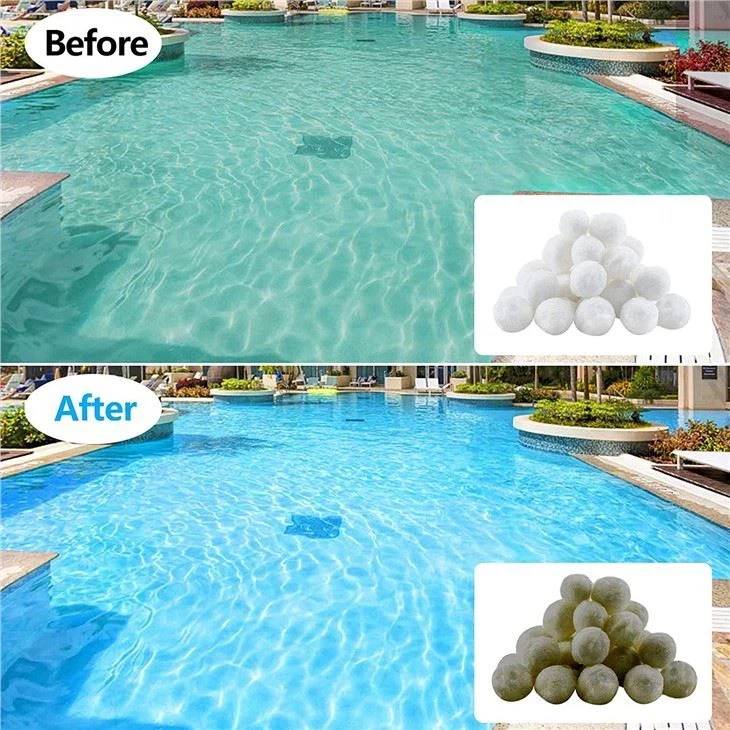
8. Reinstall the filter valve or tank lid
Depending on the type of sand filter you are using, you may need to remove the plug/filter bag/screen/tape from the riser pipe, or put the baffle and vent pipe back in place. Next, replace or lubricate the O-ring/gasket on the top cover or multi-port valve. If your O-rings and gaskets show any signs of cracking, indentations, or wear, now is the best time to replace them to avoid leaks and other problems in the future. It's recommended to keep a set of spare gaskets and O-rings for all necessary pool equipment.
If there is any sand or filter media around the tank opening, clean it away. This is especially important if your tank opening is threaded.
You can now safely reinstall the top cover or multi-port valve onto the filter tank. If the top-mounted multi-port valve has been cut out of the system, we recommend using a connection kit to reconnect the piping to avoid future cutting.
9. Starting the Filtration System
Set the filter's push-pull slide valve or multi-port valve to the "backwash" position. Reconnect the power to the circuit breaker and allow the system to backwash at high speed for 3-5 minutes, or until the water flowing from the backwash hose is clear. When a steady stream of water flows from the air release valve, indicating that the air has been purged from the system, tighten and close the valve.
After the backwash cycle is complete, if you have a multi-port valve, turn off the system, set the valve to "rinse," restart the pump, and let the system run for 30-60 seconds.
Next, turn off the pump again and set the push-pull slide valve or multi-port valve to the normal operating "filter" position. Start the system again, and your pool filter will begin cleaning your pool!