


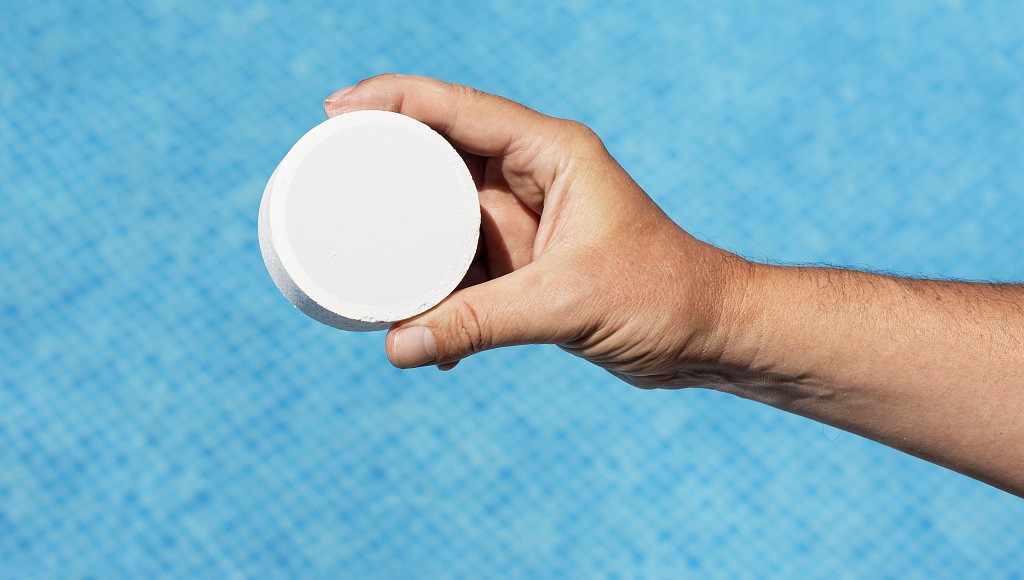
The efficiency of chlorine in keeping the swimming water clean and healthy is also connected to how long it would last and be effective. In addition to that, there are many factors that could shorten the shelf life of a chlorine product like its exposure to light, heat and moisture. Therefore, it is important to understand how long a product could be kept and still be effective.
Factors that affect chlorine potency There are several other factors that can affect the potency of chlorine. For example, direct sunlight can cause 10% breakdown of the chlorine on a weekly basis while high temperatures that normally go beyond 90°F (32°C) can also increase the rate at which chlorine is destroyed. Moisture can also result in the formation of Chlorine gas that is not efficient in sanitizing the water in your swimming pool.
Ideal storage conditions for chlorine
In ideal storage conditions, chlorine should be stored in an area that is characterized by minimized temperature, minimizing light and reducing humidity. The location should be cool, ideally below 80°F (26.7°C). The storage location should also be free from moisture and protected from direct sunlight or any source of heat.
Criteria for choice of chlorine storage location
The storage location should be situated in an area of the plant that is easily accessible for use but isolated from the large crowds within the firm. This ensures that the plant's operations are not compromised but the stored chlorine is not exposed to unauthorized use. The area should be pressure-ventilated to prevent the concentration of chlorine gas (Ciullo, 2002). Both temperature and light play a significant role in the reduction of chlorine or degrading chlorine. High temperatures facilitate fast chemical reactions that will lead to decomposition of chlorine. On the other hand, exposure of chlorine to light, especially in the presence of UV rays facilitates a photochemical reaction that reduces the effectiveness of chlorine. Ventilation is critical in any area of chlorine storage. Such areas should be well-ventilated, and the air within circulated fast to ensure that air that contains chlorine gas is not inhaled. The air within the storage location should be at least exchanged 4 to six times per hour. Adequate ventilation reduces the risk of workers within the vicinity of the stored chlorine being exposed to high levels (Miege-Kuret, 2013).
Best practices for storage of chlorine tablets and granules
The chlorine tablets or granules should be stored in their original airtight containers. The containers should be well labeled with the name of NCINS and the date of purchase. The stored chlorine in whatever form should be kept from the reach of all children and pets.