


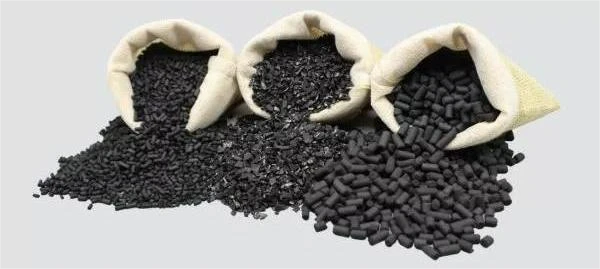
Most people know that activated carbon is a versatile and effective adsorbent that is commonly used in wastewater treatment and filtration systems. The porous structure and large surface area of activated carbon make it an ideal material for removing a wide range of contaminants from water.
However, do you know how it works and what it can remove from water? Let us talk about this together today.
What is Activated Carbon?
Activated carbon is a carbon-based material that has been processed to maximize its adsorptive properties, yielding a superior adsorbent material.
Activated carbon is a granular material produced mostly by roasting charcoal from coconut shells or coal at 800 to 1000°C to "activate" it. Impurities are removed by acid washing. Typically, it has pore sizes ranging from 500 to 1000nm and a surface area of about 1000m2/gram.
Activated Carbon's remarkable adsorption properties make it an indispensable material in environmental protection, water and air purification, industrial processes, healthcare, and various other applications. Its versatility and effectiveness in capturing and removing a wide range of contaminants contribute to its widespread use across diverse industries
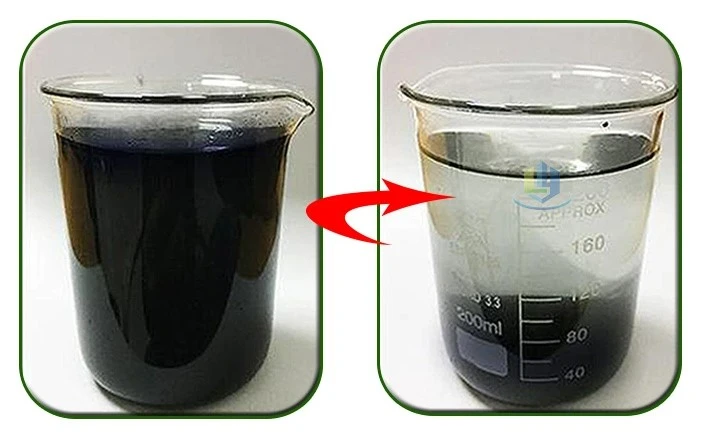
What does Activated Carbon remove from water?
Adsorption of harmful substances: Activated carbon can effectively remove residual chlorine, colloids, organic matter, heavy metals (such as mercury, silver, cadmium, chromium, lead, nickel, etc.), radioactive substances, etc. in water.
Improve water quality: Activated carbon can remove odors and odors in water and improve the purity of water. It also has a high removal rate for various impurities in water such as chlorine, phenol, arsenic, lead, cyanide, pesticides and other harmful substances.
Deep purification: In water treatment, activated carbon is often used for deep purification, which can remove dissolved organic matter in water, reduce UV absorption value, reduce total organic carbon, chemical oxygen demand and chlorine content in water, and have removal effects on chromaticity, iron, manganese, phenol, and can reduce trihalomethane precursors.
Safety and health: Activated carbon uses high-quality fruit shell coconut shell as raw material, and is refined and processed using advanced production technology. The product has the advantages of developed pore structure, high strength, low impurity content, appropriate particle size, low resistance, easy regeneration, etc. It has excellent effect on water purification and can remove carcinogenic, mutagenic, teratogenic and other pollutants.
Wide application: Activated carbon is not only used for deep purification of drinking water, industrial water and wastewater treatment, but also suitable for decolorization and refining of sugars and refreshing beverages, as well as purification of indoor and outdoor air.
In conclusion, the role and efficacy of activated carbon in water treatment are multifaceted. It can not only effectively absorb various harmful substances, but also improve water quality and protect people's health.