


A carbon filter is a filtration device that utilizes activated carbon to remove impurities and contaminants from water. Activated carbon-also known as activated charcoal-is a highly porous material with a vast surface area, capable of effectively adsorbing and removing particulate matter, chemical substances, and other impurities from water.
The activated carbon used in these filters is typically derived from organic materials such as wood, coal, or coconut shells. Through a process known as "activation," the carbon is treated at high temperatures to increase its surface area and create millions of microscopic pores; these pores serve to adsorb-rather than absorb-impurities.
Activated carbon filters are commonly found in home water purification systems and municipal water treatment plants, serving as a critical component in the purification of water for drinking and other purposes. But how exactly do they improve water quality?
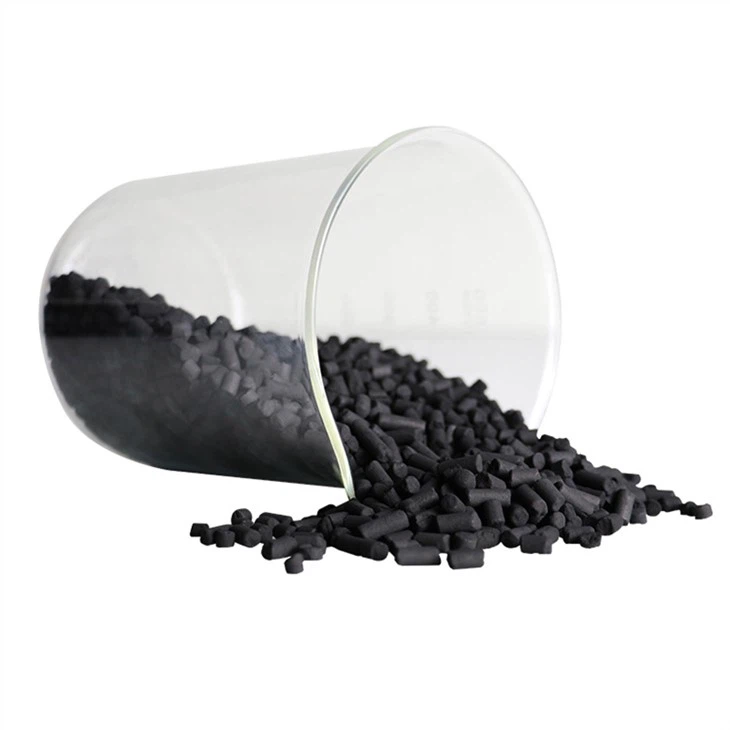
How Do Activated Carbon Filters Work in Water Treatment?
The primary function of an activated carbon filter is to adsorb contaminants present in the water. Adsorption refers to the process by which molecules or particles adhere to the surface of the activated carbon-a mechanism distinct from *absorption*, wherein a substance is drawn *into* the material itself.
As water flows through an activated carbon filter, the carbon adsorbs and retains various impurities, including chlorine, volatile organic compounds (VOCs), pesticides, herbicides, heavy metals, and even unpleasant odors or tastes. Activated carbon filters are particularly effective at removing chlorine-a chemical commonly used in municipal water treatment that can impart a strong, offensive odor to the water.
Activated carbon also adsorbs larger particulate matter-such as dirt, dust, and debris-thereby enhancing the water's clarity and overall quality. Carbon filters not only effectively eliminate harmful substances but also improve the water's taste and smell, making it more palatable for daily consumption.
Benefits of Using Carbon Filters in Water Treatment
Incorporating activated carbon filtration technology into water treatment systems-whether for residential or industrial applications-offers a multitude of benefits. Here are some of the key advantages:
Improved Water Taste and Odor
One of the most significant benefits of activated carbon filters is the improvement of the water's taste and odor. Municipal water supplies often utilize chlorine for disinfection purposes; however, chlorine can impart a strong, unpleasant smell to the water. Activated carbon filters effectively remove chlorine, as well as other organic compounds that negatively impact the water's taste and aroma.
Effective Removal of Contaminants
Activated carbon filters efficiently remove a wide range of contaminants, including chlorine, volatile organic compounds (VOCs), pesticides, herbicides, heavy metals (such as lead and mercury), and industrial solvents. By eliminating these harmful substances, activated carbon filters help purify water quality and reduce the risk of waterborne diseases.
Health Benefits
Drinking clean, contaminant-free water is essential for maintaining good health. Activated carbon filters help minimize human exposure to potentially harmful substances-such as chlorine and heavy metals-that could lead to long-term health issues. In addition to enhancing drinking water safety, activated carbon filtration also helps eliminate microorganisms that may cause gastrointestinal problems.
Preservation of Essential Minerals
Unlike other filtration methods (such as reverse osmosis), activated carbon filters do not strip water of its essential minerals. Beneficial natural minerals-such as calcium, magnesium, and potassium-remain in the water after filtration. Consequently, activated carbon filters are an ideal choice for those who desire clean water without sacrificing the naturally beneficial minerals found within it.
Cost-Effective Solution
Activated carbon filtration is currently one of the most economical water treatment methods available. Activated carbon filter cartridges are relatively inexpensive, easy to maintain, and can be replaced regularly without imposing a financial burden. As a result, this method is highly favored by both households and businesses.