


Silica sand is usually a form of silicon dioxide (SiO2) and is composed of two main elements – silica and oxygen.
The most common form of silica is quartz, a chemically inert and hard mineral that breaks down over time by wind and water into tiny particles called silica sand.
It is also known as white sand, quartz sand and industrial sand and comes in various shades, mostly white or colorless. The color of sand mainly depends on the rock fragments and various minerals that make up the resource.
It is obtained from quartz material from sources such as beach dunes and processed into different types and grades of sand, which are then supplied to different industries for various applications.
Silica sand has certain standards and must contain at least 95% silica and equal to 0.6% iron oxide, otherwise it is considered ordinary sand.
How is silica sand different from other sands?
Other sand here refers to regular sand or regular construction sand, usually brown in color and used for concrete applications. They also contain some silica, but only up to 80%, and other minerals such as iron, potassium, carbonates and other trace elements.
The presence of these minerals makes the sand regular and darker in color compared to silica sand. Ordinary sand (non-silica sand) comes in pink, black, green and other colors, depending on the sand deposition conditions in different geological locations.
Silica sand uses
Silica sand is valued for its many useful properties. It has a high melting point and low coefficient of thermal expansion, making it a good choice for applications involving high temperature exposure.
Here are some examples of silica sand uses in different areas.
1. glass
Silica sand is a major component in glass manufacturing. It is a very important raw material for standard glass and special glass. The chemical purity of silica sand is the primary determinant of strength, color and clarity.
It is used to produce flat glass for construction and automotive applications as well as container glass for storing food and beverages. It reinforces fiberglass and is required for the production of fiberglass insulation. It is used in specialty glasses including test tubes, scientific tools, televisions and CRT monitors, as well as incandescent and fluorescent lamps.
2. Sports fields and golf courses
On synthetic sports fields and golf courses, silica sand is used in bunkers and putting greens. Due to its ability to support natural plant growth, it can also be used to maintain greens and fairways. The natural granule shape provides needed permeability and helps facilitate routine maintenance such as root aeration and fertilization.
3. Calcium silicate bricks
When making calcium silicate bricks, silica sand is mixed with high-calcium lime, with a sand-to-ash ratio of 10 or 20. These bricks have good regularity, smooth surfaces and sharp corners and are available in a variety of strengths.
Calcium silicate bricks have similar durability to concrete but are not resistant to sulfur-containing environments. Learn more about types of building bricks.
4. Water filtration
Silica sand is an effective filter bed for removing contaminants in wastewater treatment and drinking water filtration.
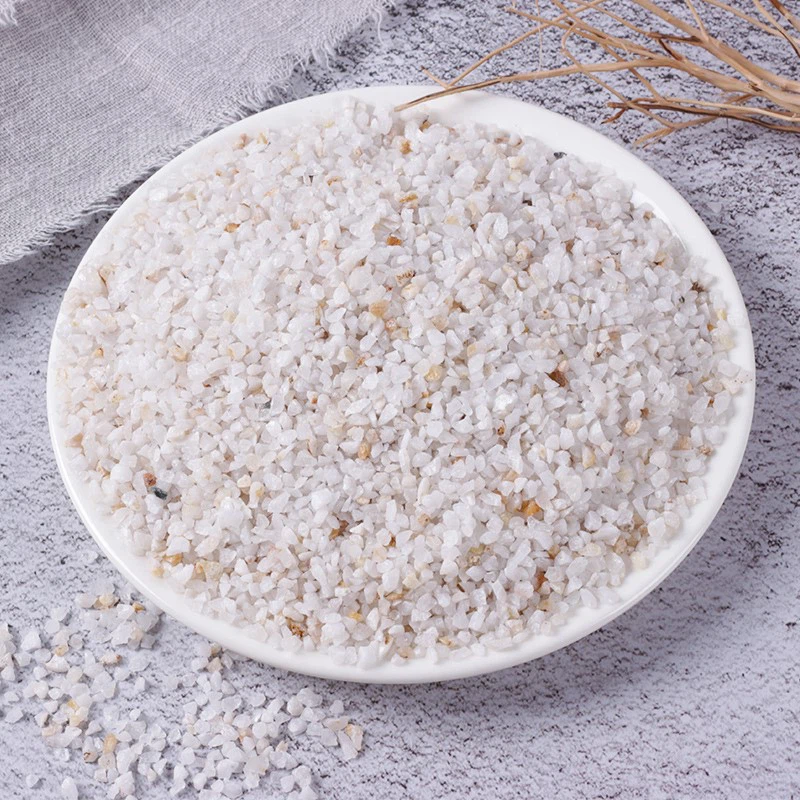
Silica sand neutralizes acidic elements to maintain an optimal pH balance in your water filter. Because it is chemically inert, it does not react when exposed to acids, contaminants, volatile organic compounds, or solvents.
5. Metal casting and production
Silica sand is an important component in industrial production of steel, ferrous and non-ferrous castings, used for deoxidation and grain refinement.
To obtain the desired internal or external shape, metal parts are cast in silica sand. It is the first choice for castings involving cast iron, steel, titanium and is also used for cleaning casting surfaces.
6. Paints and Coatings
Silica sand has high performance properties such as brightness, reflectivity, oil absorption and color consistency. These properties help improve the overall appearance and durability of industrial and architectural paints and coatings.
Its low oil absorption improves surface color, resulting in a durable coating rich in pigments. Silica fillers improve color retention and resist stains, mildew, weathering and cracking.
7. Construction
It is a major ingredient in a variety of building and construction products. To improve durability and structural integrity, whole-grain silica is used in flooring, mortars, specialty cements, roof tiles, asphalt mixtures, anti-skid surfaces and other industrial materials. It acts as a functional extender to increase the durability, corrosion protection and weather resistance of sealants, caulks, and epoxy-based compounds.
8. Ceramics and Refractories
It is an important component of glaze and body formulations for all types of ceramic products such as tableware, floor tiles, wall tiles, sanitary ware, etc.
9.Industrial abrasives
Due to its round and angular varieties, it is commonly used as a mineral abrasive for industrial sandblasting. Silica sand helps smooth round surfaces for sandblasting, and some resins are used to prevent the health hazards of silica dust.
10.Other applications
In oil and gas recovery processes, silica sand is known as fracking sand. It is pumped downhole in deep well applications to increase the flow rate of petroleum or natural oil, and its chemical purity helps resist chemical attack in corrosion-resistant environments.
Silica sand has a wide range of uses in various industries, so before purchasing, check the grade and buy from a reputable manufacturer to avoid the sand containing impurities.