


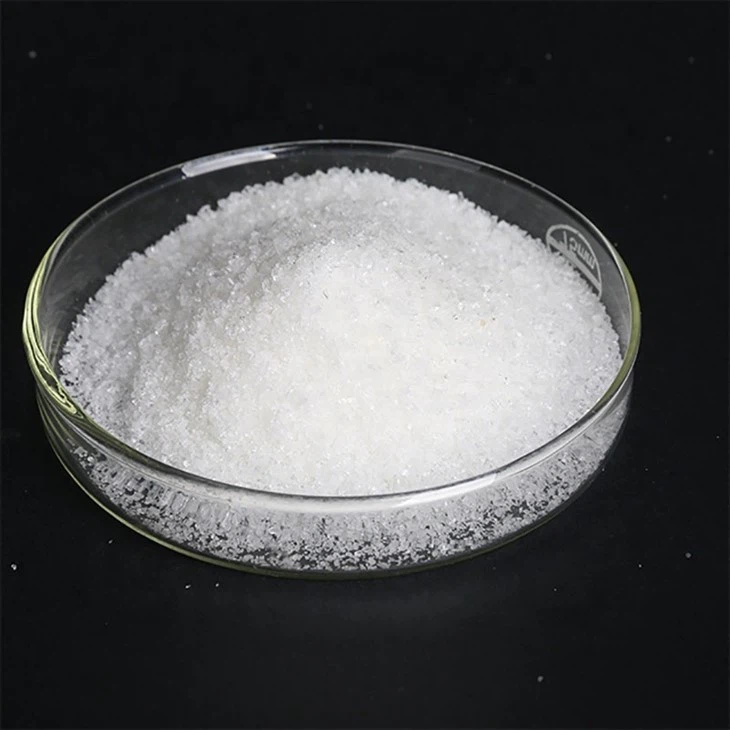

Polyacrylamide, abbr. PAM, is a kind of water soluble polymer, has unique effect to increase the viscosity of water or to promote the flocculation of particles present in water, it can also reduce the frictional resistance between the liquid.
According to the different ion characteristics, PAM has three types: Anionic PAM, Cationic PAM and Nonionic PAM.
It is widely used in many fileds like Water Treatment, Oil Exploration, Sludge Dewatering, Paper Making, Textile, Sugar Making, Coal washing and Incense Making, etc.
Keywords: PAM, Polyacrylamide, Anionic PAM, Cationic PAM, Nonionic PAM, Flocculant, Acrylamide resin, Acrylamide gel solution, Coagulant, APAM, CPAM, NPAM.
| Polyacrylamide PAM unique advantages: | |
| 1 | Economical to use, lower dosage levels. |
| 2 | Easily soluble in water; dissolves rapidly. |
| 3 | No erosion under suggested dosage. |
| 4 | Can eliminate the use of alum & further ferric salts when used as primary coagulants. |
| 5 | Lower sludge of dewatering process. |
| 6 | Faster sedimentation, better flocculation. |
| 7 | Echo-friendly, no pollution (no aluminum, chlorine, heavy metal ions etc.). |

| Item | Anionic | Cationic | Nonioic |
| Appearance | White Granular powder | White Granular powder | White Granular Powder |
| Solid Content(%) | ≥88.5 | ≥88.5 | ≥88.5 |
| Molecular Weight(million) | 9-25 | 7-12 | 5-10 |
| Degree of Hydrolysis | 9-40 | / | 0-5 |
| Effective pH value | 5-14 | 7-14 | / |

One of the most common uses of polyacrylamide is in water treatment.
It is used as a flocculant to separate solid particles from water, making it easier to purify and treat.
Polyacrylamide is also used in the production of paper and pulp, as well as in the oil and gas industry for enhanced oil recovery.
PAM Cationic Anionic Polyacrylamide 9003-05-8 Use Process

1.Firt dissolve the polyacrylamide particles in clean water according to a certain proportion to make an aqueous solution;
2.Add the prepared aqueous solution to the treated sewage;
3.Fully mix the solution and sewage,and when flocs appear in the water,slow down the stirring speed to prevent the precipitated flocs from being dispersed;
4.After the particles in the sewage are completely settled,the upper layer of water becomes clean,and the water and sediment can be separated to obtain clean water,which can be reused.
PAM Cationic Anionic Polyacrylamide 9003-05-8 Certificate


