Polyacrylamide for Water Treatment
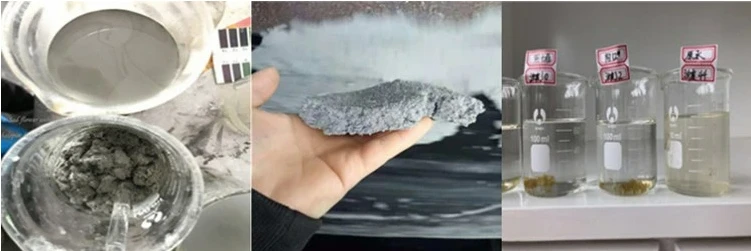
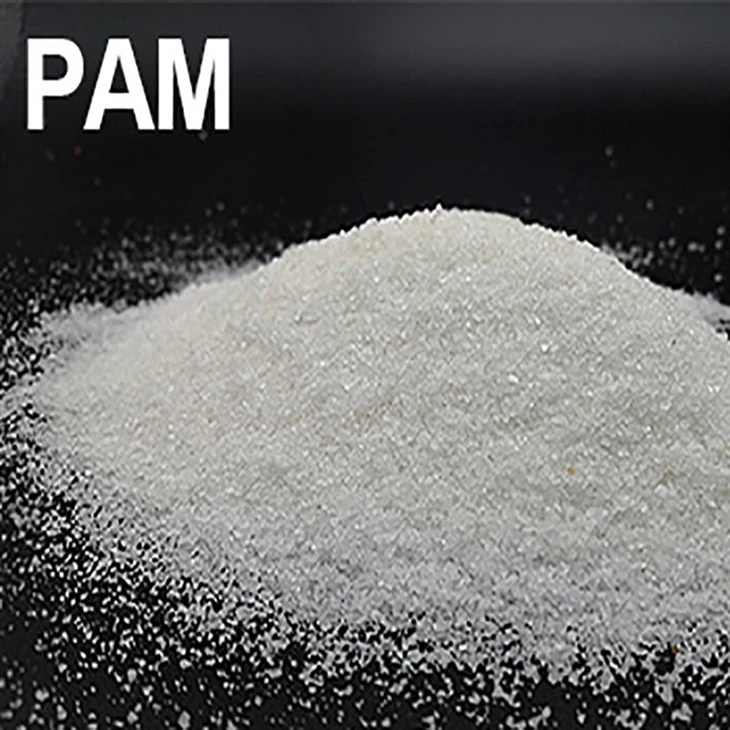
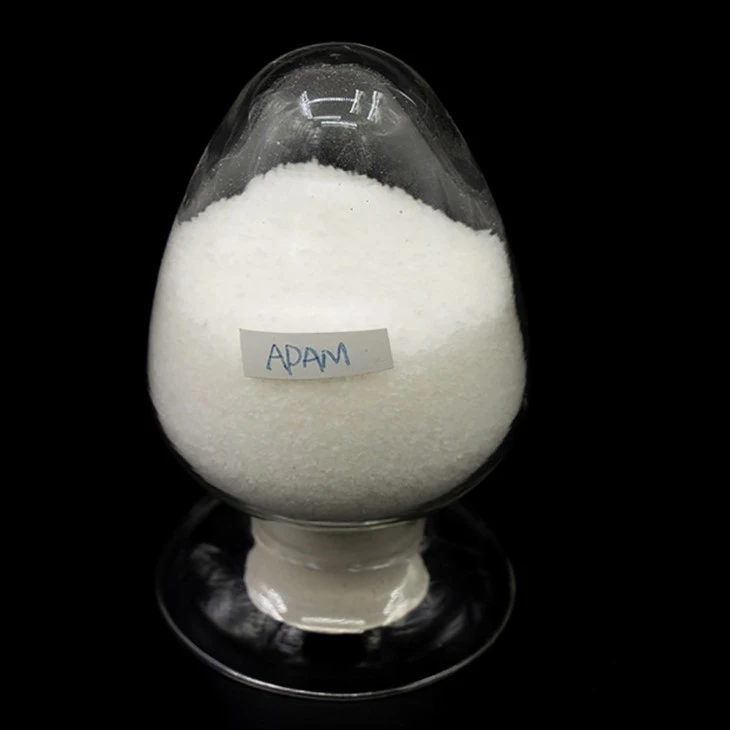
Polyacrylamide (PAM) is a commonly used chemical in the oil and gas industry for treating sewage or wastewater produced during drilling, fracturing, and production processes. PAM is a water-soluble polymer that can be used as a flocculant, coagulant, or thickener in wastewater treatment processes.
PAM can also be used as a friction reducer in hydraulic fracturing fluids, which helps to reduce the amount of water and energy needed during the fracking process. Additionally, PAM can be used as a viscosity modifier in enhanced oil recovery (EOR) techniques to improve the displacement of oil from the reservoir.
Polyacrylamide for Oilfield Sewage Treatment Application
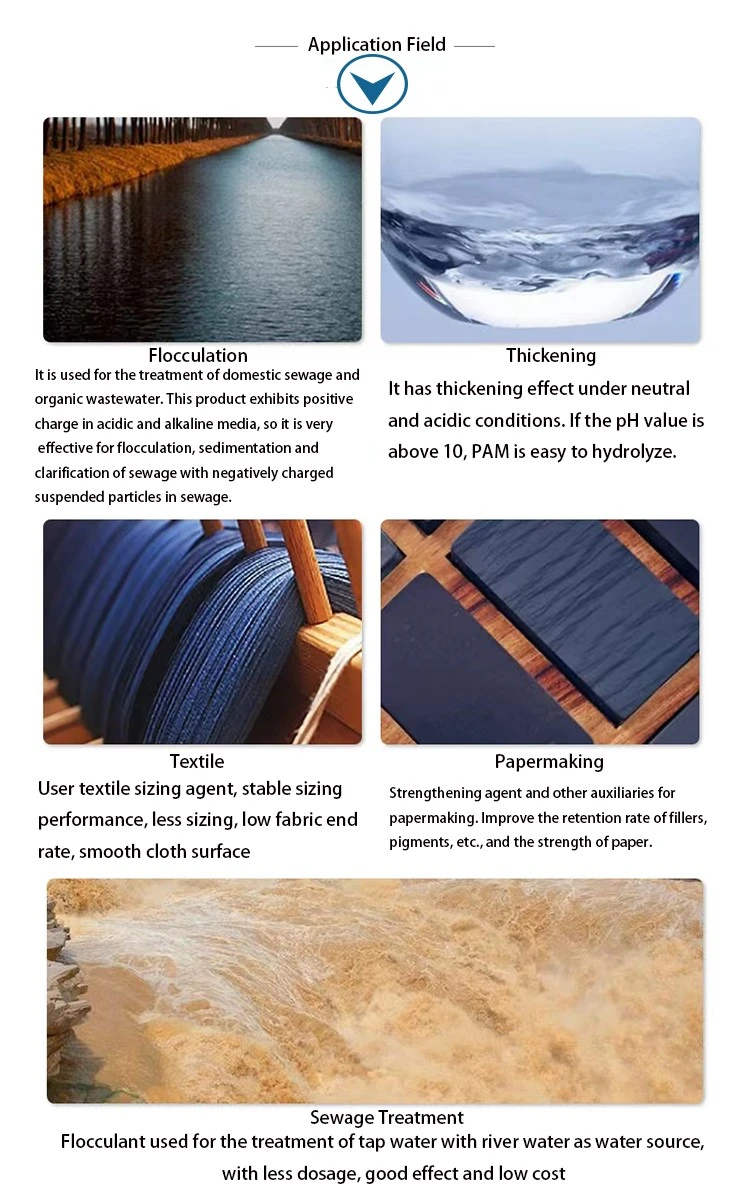
Flocculation: It is used for the treatment of domestic sewage and organic wastewater. This product exhibits positive charge in acidic and alkaline media, so it is very effective for flocculation, sedimentation and clarification of sewage with negatively charged suspended particles in sewage.
Thickening: It has thickening effect under neutral and acidic conditions. If the pH value is above 10, PAM is easy to hydrolyze.
Papermaking: Strengthening agent and other auxiliaries for papermaking. Improve the retention rate of fillers, pigments, etc., and the strength of paper.
Textile: User textile sizing agent, stable sizing performance, less sizing, low fabric end rate, smooth cloth surface.
Sewage Treatment: Flocculant used for the treatment of tap water with river water as water source with less dosage, good effect and low cost.
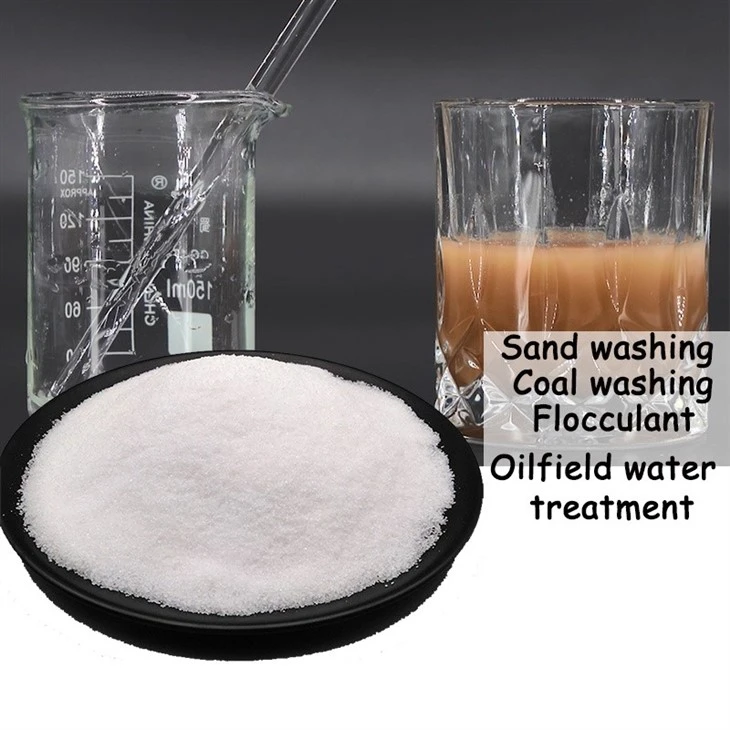
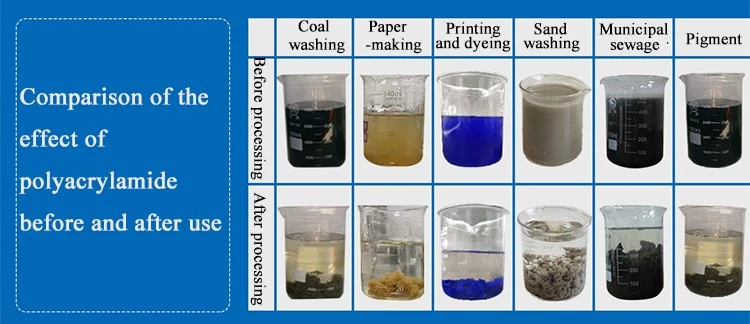
Polyacrylamide for Oilfield Sewage Treatment Test Result
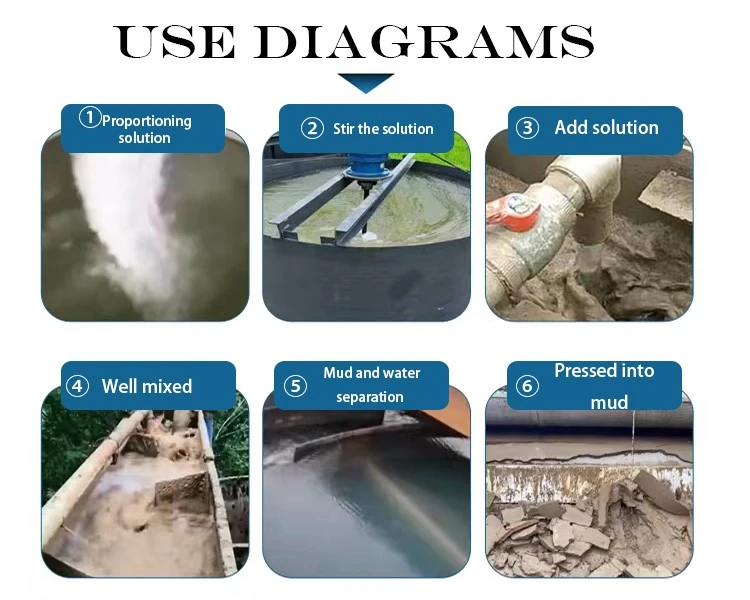
Polyacrylamide for Oilfield Sewage Treatment Use
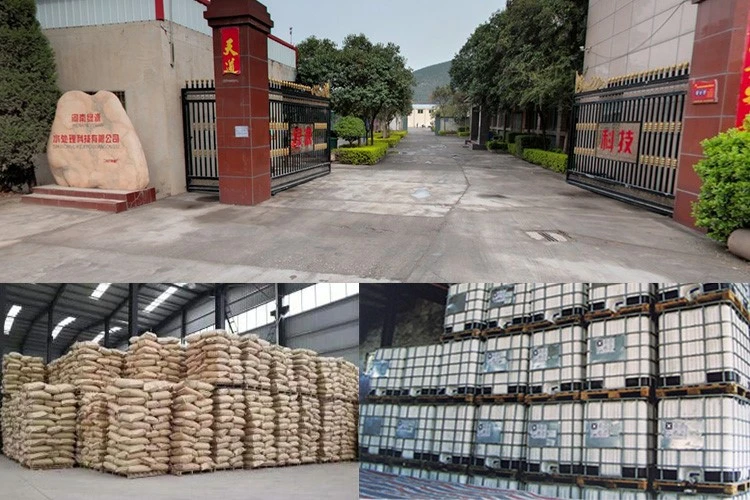
Polyacrylamide for Oilfield Sewage Treatment Factory