


Activated carbon
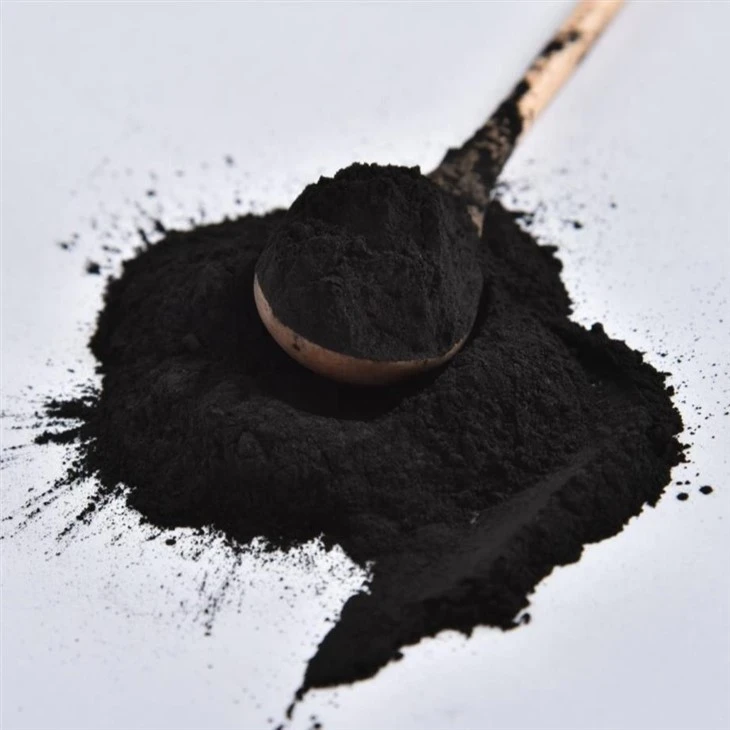
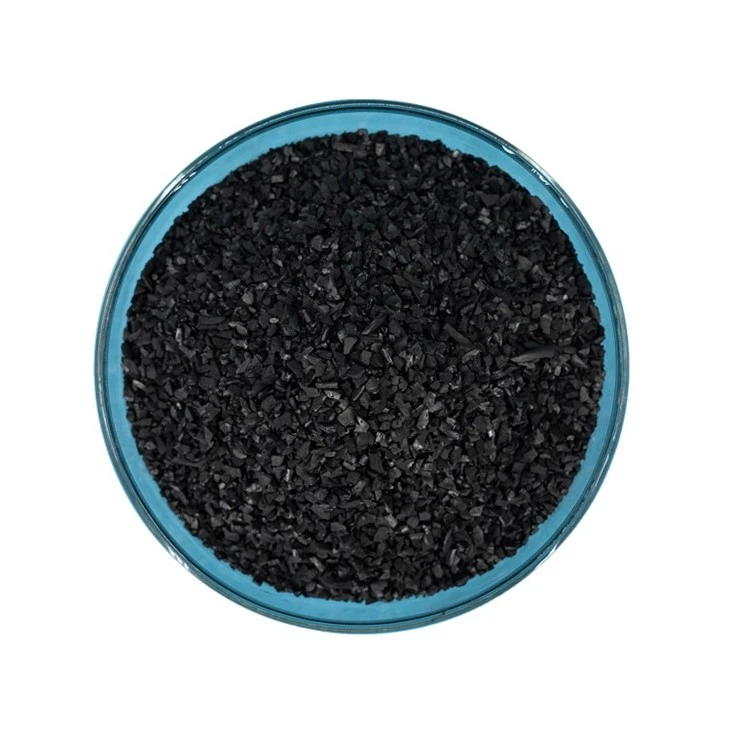
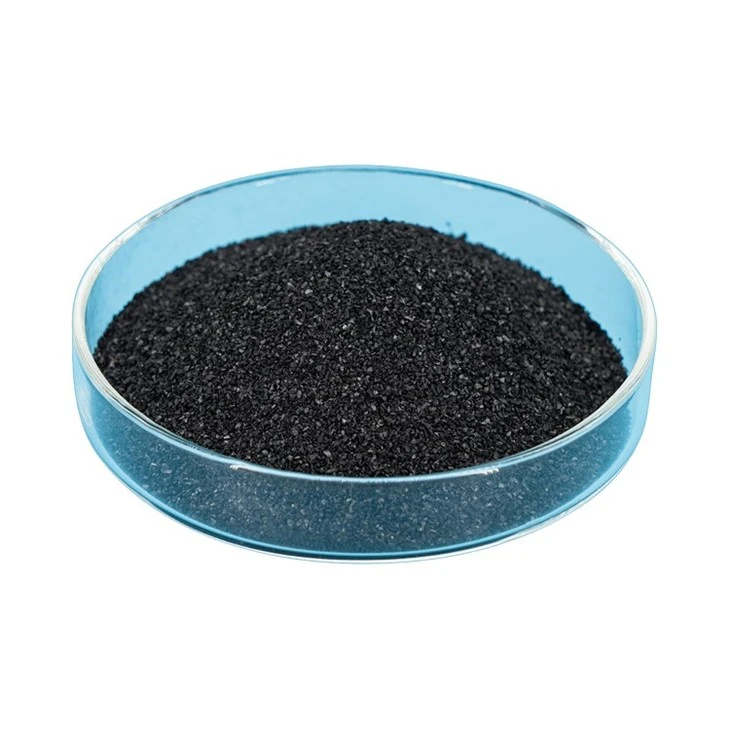
Activated carbon is made from substances with high carbon content, such as coconut shells, wood, petroleum, willow peat, bamboo, coal, and other carbonaceous sources. It's usually made through two different processes:
Carbonization – This involves taking a carbon-rich material and decomposing it in a static environment with a temperature not exceeding 800 degrees Celsius. Compounds like nitrogen, oxygen, sulphur, and hydrogen are then extracted from the source material through gasification.
Activation – Involves gas treatment where carbon is directly heated in a chamber to create the pore structure. Then, the char is oxidized at a temperature range of 800 to 900 degrees in the presence of steam or air and carbon dioxide.
APPLICATION
Air and Gas
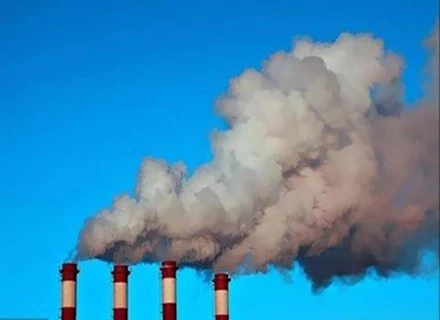
Different kinds of activated carbon can be employed to filter gases. The specific form is chosen based on the intended outcome and includes cloth, pelletized, and granular activated carbon. Some of the most popular gas purification applications for activated carbon include removing hydrogen sulfide from natural gas and filtering breathing air in air-conditioning units. In this second application, activated carbon helps remove radon and odors from the recirculated air.
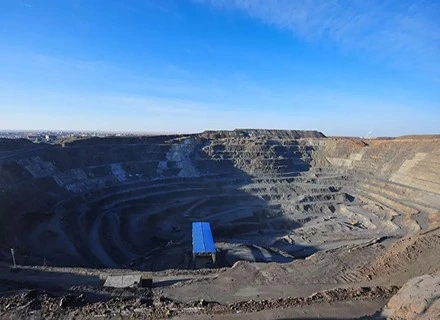
Mining
Activated carbon is also used in mining to recover precious metals, particularly gold. Due to its adsorbent nature, activated carbon is utilized in separating carbon from cyanide in the final stages of mining.

Food and Beverages
Activated carbon is used in the food and beverage sector to enhance the purity, fragrance, and taste of several foodstuffs and beverages, including concentrated juice. Sweeteners can also be decolorized and have unwanted by-products removed from them using activated carbon.
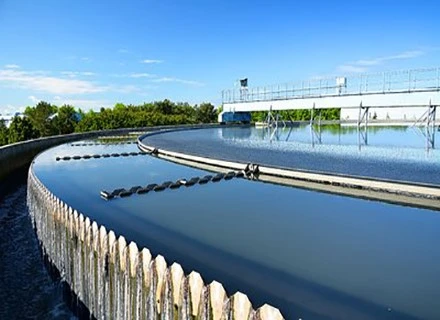
Water Treatment
Activated carbon is used in water purification as both a primary and tertiary treatment. For water purification, both granular and powdered activated carbon is used. In the initial treatment, the main purpose is to remove large particles and retain them. In the final stages of water treatment, activated carbon is used for taste and odor control.
Activated carbon materials have specific effects on air purification due to their unique structure, but there may also be differences between different materials and pore sizes. Contact us and we will provide you with products that are more suitable for you.


